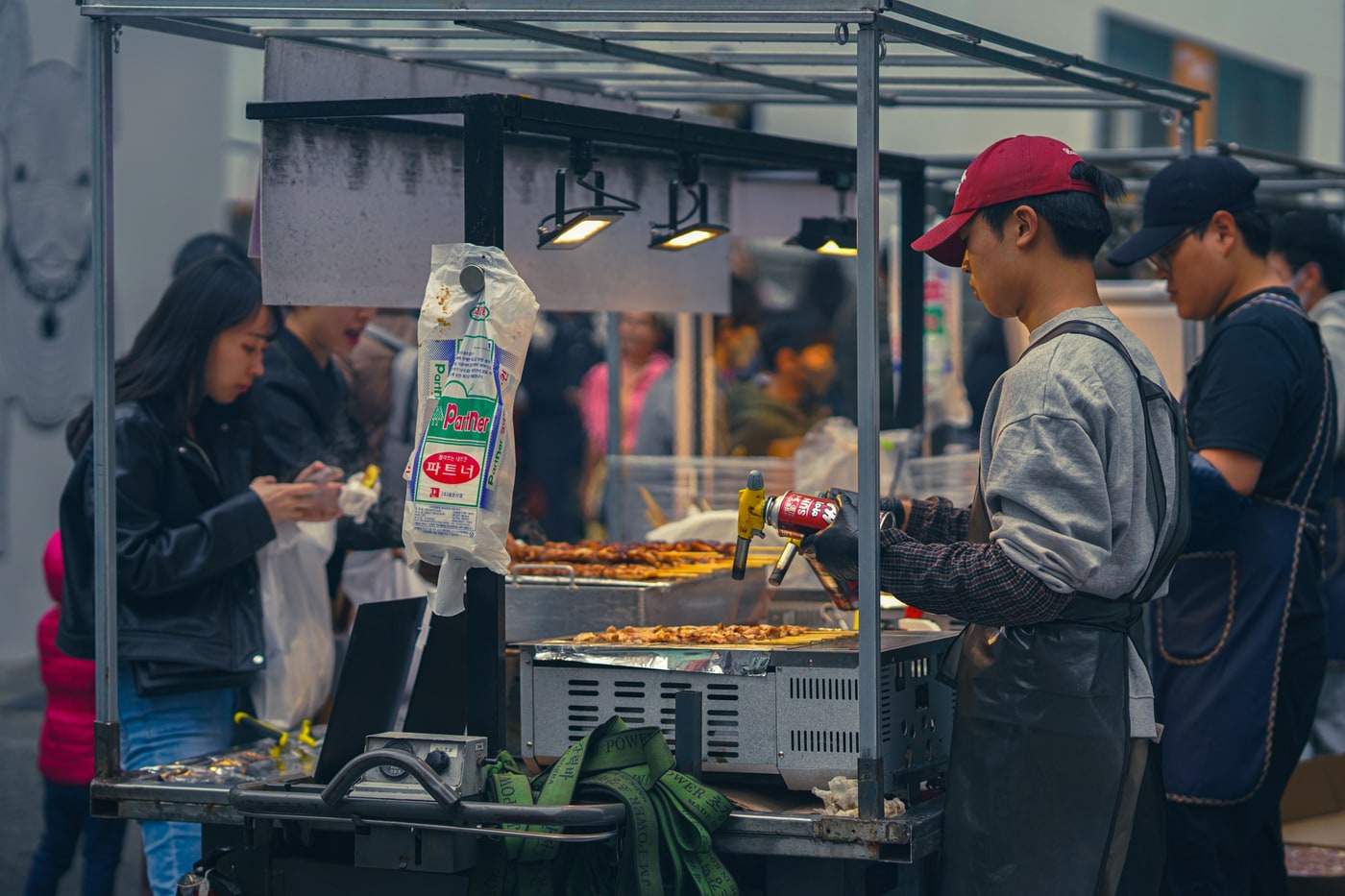
Order hotteok if you want something sweet and syrupy, bungeoppang if you want a crisp pastry with red bean paste, and gyeranppang if you want something closer to a small savory-sweet breakfast loaf. All three are cheap, hot, and sold from stalls near subway exits and markets once the weather turns cold.
What Each Snack Actually Is
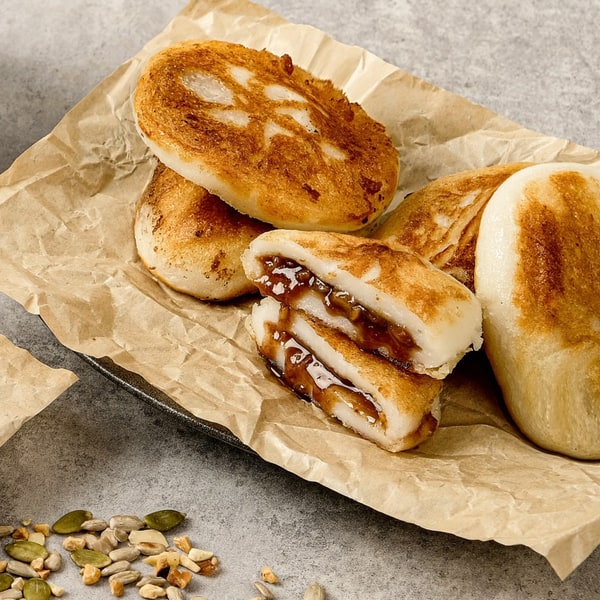
Hotteok (호떡) is a ball of yeast-leavened wheat dough filled with brown sugar, cinnamon, and chopped nuts. The cook presses it flat on an oiled griddle until the outside turns crisp and the sugar inside melts into a hot syrup. The first bite is the dangerous one, because the filling can burn your tongue. Busan is known for a variation called ssiat-hotteok, which is filled with seeds and nuts and fried until the outside is deeply golden.
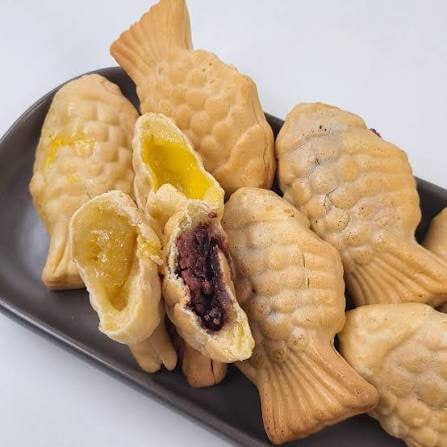
Bungeoppang (붕어빵) is a fish-shaped pastry baked in an iron mold. The name means "carp bread," though no fish is involved. The classic filling is sweet red bean paste (pat, 팥). Thin, crisp versions and thicker, fluffier versions both exist, and many stalls now offer custard cream (syu-keu-rim) as an alternative.
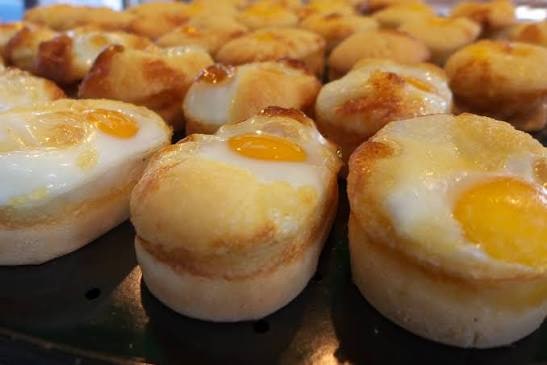
Gyeranppang (계란빵) means "egg bread." It is a small loaf of sweet batter baked in a mold with a whole egg cracked on top before it sets. The result is a soft, slightly sweet bread with a savory egg in the middle, which makes it feel more like a snack-sized meal than a dessert.
Wait about a minute before the first bite. Fillings come out of the mold or griddle at a very high temperature, and Korean stall owners expect first-timers to burn their mouths.
| Snack | Dough | Typical Filling | Texture | Best For |
|---|---|---|---|---|
| Hotteok | Yeast-leavened wheat dough | Brown sugar, cinnamon, nuts | Crisp outside, molten syrup inside | A sweet dessert snack |
| Bungeoppang | Thin batter baked in a fish mold | Red bean paste or custard cream | Crisp shell, soft filling | A light, not-too-sweet bite |
| Gyeranppang | Sweet batter loaf | Whole egg on top | Soft, fluffy, savory-sweet | A filling snack |
How to Choose Between Them
Pick based on what you want the snack to do. Hotteok is the most dessert-like of the three and the heaviest on sugar, so it works as a treat after a meal. Bungeoppang is the lightest. The red bean paste is sweet but earthy, and the thin crisp shell makes it easy to finish a whole bag while walking. Gyeranppang is the one that can stand in for a quick breakfast, since the egg gives it a savory note that the other two lack.
If you are traveling with a group, buying one of each and splitting them is the easiest way to taste all three in a single stop. Many stalls specialize in only one snack, so you may need to visit two or three stalls along the same street. Stall owners are used to this, and a short line moves quickly because each item is cooked in small batches.
A few practical notes help first-timers:
- Bring a napkin. Hotteok syrup and bungeoppang filling are both messy, and stalls provide only a paper cup or bag.
- Eat bungeoppang from the head or the tail. There is no rule, and Koreans argue cheerfully about which end is correct.
- Check the filling before you pay. A stall that sells both red bean and cream versions often keeps them in separate trays that look identical from the outside.
When and Where to Find Them
These snacks are seasonal. Stalls start appearing as the weather cools in the fall and stay through the end of winter. You will find them near subway exits, outside busy intersections, and in traditional markets. Stalls are small, so you usually order and eat on the spot or hold the snack in a paper cup or paper bag as you walk.
Prices are low, generally a few thousand won for a small portion, and bungeoppang is often sold by the count. Many small stalls prefer cash or accept only a limited range of payment methods, so carry a few small bills. The earlier guide on foreign cards in Korea covers how to get cash at a Global ATM.
Step-by-Step: Ordering at a Street Stall
- Step 1: Pick the stall. Look for a short line of locals and a stall that is actively cooking. A fresh batch is much better than one that has been sitting under a lamp.
- Step 2: Point and ask for a quantity. Say 호떡 하나 주세요 (hotteok hana juseyo, "One hotteok, please") or 붕어빵 두 개 주세요 (bungeoppang du gae juseyo, "Two bungeoppang, please").
- Step 3: Choose the filling. For bungeoppang, you can ask 팥이에요, 슈크림이에요? (pat-ieyo, syu-keu-rim-ieyo?, "Is it red bean or custard cream?").
- Step 4: Pay. Hand over cash, or ask whether a card works if you have no small bills.
- Step 5: Eat it hot. Hold hotteok in its paper cup, wait a moment, and eat it standing near the stall so the crisp outside does not go soft.
If you only try one, start with hotteok on a cold evening. It is the one snack that tastes best precisely because the weather is bad.