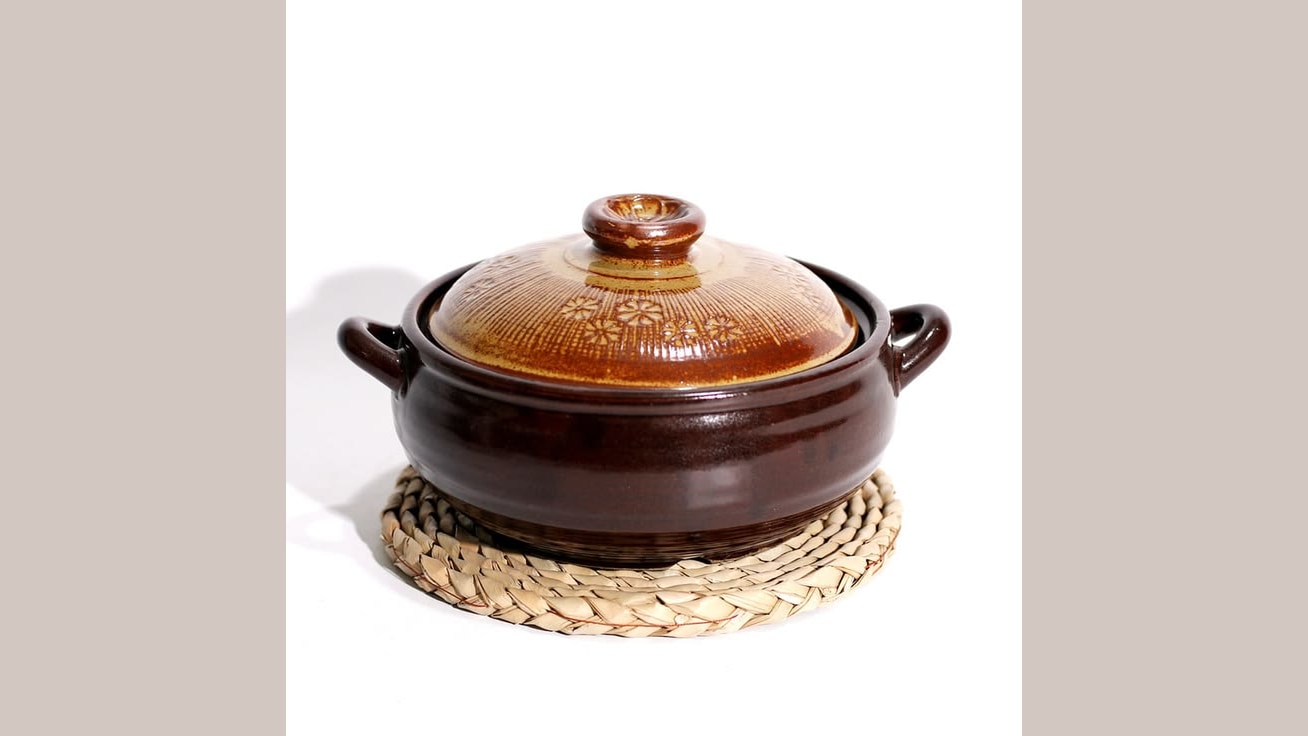
A ttukbaegi (뚝배기) is the thick earthenware pot that brings Korean stews to the table still bubbling. It holds heat so well that the stew keeps boiling for minutes after it lands in front of you, so don't touch it, and start eating with your spoon only once it calms down.
Key Takeaways
- What it does: stores heat like a battery, so stews stay hot to the last spoonful
- At a restaurant: never touch the pot; it sits on a wooden or plastic base for a reason
- At home: season a new pot with rice water and heat it slowly to avoid cracks
- Cost: about 5,000–15,000 KRW at a market or Daiso
Why stews come in a ttukbaegi
The clay walls are thick and slightly porous. Once heated they keep releasing heat slowly and evenly, which is why a doenjang-jjigae still roars when it reaches the table. The gentle heat also stops the bottom from scorching, which matters for egg and tofu dishes.
These pots were standard in rural kitchens, where wood fires gave uneven heat. Today almost every Korean restaurant uses them for single-portion stews.
Four ttukbaegi dishes compared
| Dish | What it is | Flavor | Why the ttukbaegi matters | How to eat it |
|---|---|---|---|---|
| 된장찌개 Doenjang-jjigae | Soybean paste stew with tofu, zucchini, onion | Earthy, salty, savory | Keeps the thick broth simmering through the meal | Spoon broth and tofu onto your rice |
| 김치찌개 Kimchi-jjigae | Aged kimchi stew, often with pork or tuna | Spicy, sour, rich | Long heat softens the kimchi and deepens the broth | Eat with rice; it's too strong to drink alone |
| 순두부찌개 Sundubu-jjigae | Silken tofu stew, usually red and spicy | Spicy, silky, umami | Arrives boiling hot enough to cook a raw egg | Crack the egg in right away, stir, then eat |
| 계란찜 Gyeran-jjim | Steamed egg custard | Mild, savory, fluffy | Gentle heat makes the egg rise like a soufflé | A mild side for spicy dishes; scoop from the edge |
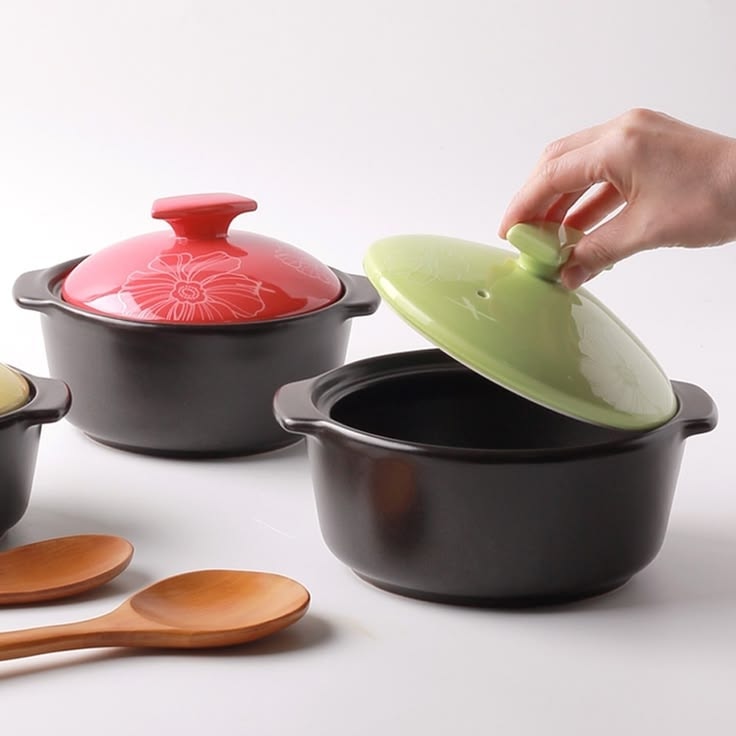
Eating from a ttukbaegi at a restaurant
Staff usually set the pot down with a warning, and it really is that hot. The rice comes separately in a metal bowl, and mixing the two is completely normal.
뜨거우니까 조심하세요.
Tteugeounikka josimhaseyo.
It's hot, so be careful.
네, 감사합니다. 앞접시 하나 주세요.
Ne, gamsahamnida. Apjeopsi hana juseyo.
Thanks. Could I have a small plate?
여기 있어요. 맛있게 드세요.
Yeogi isseoyo. Masitge deuseyo.
Here you go. Enjoy your meal.
공깃밥 하나 더 주세요.
Gonggitbap hana deo juseyo.
One more bowl of rice, please.
Do
- Wait for the bubbling to settle, or stir to release heat
- Spoon stew onto your rice, or tip some rice into the stew near the end; both are normal
- Use the small plate (앞접시) to cool a spoonful before eating
- Leave the pot on its base when you're done
Don't
- Touch or lift the pot with your hands
- Move it onto the bare table; it can scorch wood or crack glass
- Rush the first spoonful; burnt tongues are the most common mistake
- Pour cold water into a hot pot to cool it down
Using a ttukbaegi at home
A ttukbaegi is cheap and lasts for years if you avoid thermal shock and soap soaking into the clay.
| Step | What to do | Why |
|---|---|---|
| 1. Season | Boil the cloudy water left from washing rice in the new pot for 10–15 minutes | Starch fills the pores and reduces leaks and odors |
| 2. Heat slowly | Start on low heat, then turn it up once the contents warm | Sudden heat changes crack the clay |
| 3. Cook | Use wooden or silicone spoons | Metal scratches the inside |
| 4. Clean | Hot water and a soft brush; baking soda paste for stains | Soap soaks into unglazed clay |
| 5. Dry | Air-dry fully, ideally a full day, before storing | Trapped moisture causes mold and smells |
For more Korean stews, see kimchi jjigae vs doenjang jjigae and our sundubu jjigae ordering guide.
Frequently Asked Questions
Why does my ttukbaegi smell like soap? The porous clay absorbed detergent. Boil fresh water with a splash of vinegar or a few lemon slices in it for about 20 minutes, then switch to hot water and a brush for cleaning.
Can a ttukbaegi go in the dishwasher? No. Dishwasher heat and detergent damage unglazed clay. Hand-wash it and let it dry completely before storing.
Can I use a ttukbaegi on an induction stove? Not on its own, because clay isn't magnetic. Use it on a gas stove, or put it on an induction adapter plate and heat it slowly.
Is it rude to put rice in the stew? No. Spooning stew onto rice or adding rice to the last of the stew are both everyday habits. The only thing to avoid is eating straight from a shared pot with your own spoon.