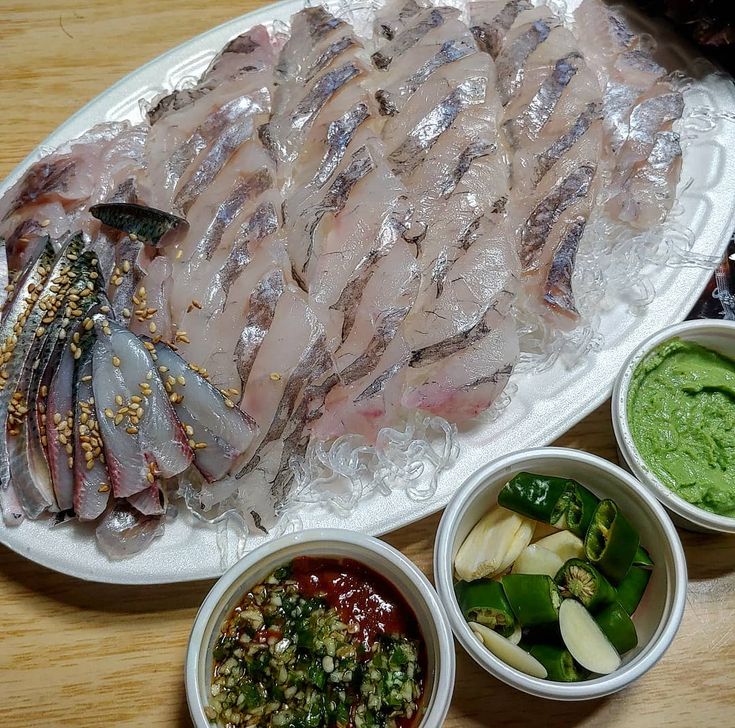
Noryangjin Fisheries Market works in two stages: you buy live seafood from a stall on the market floor, then a restaurant upstairs serves it. You pay twice, once for the fish and once for the table, so knowing both prices up front is how you avoid overpaying.
At a glance
- Getting there: Noryangjin Station (Lines 1 and 9), then the footbridge to the market building
- How long: 1.5 to 2 hours to choose and eat
- Cost: two bills, one at the stall for the seafood and one at the restaurant for the table and cooking
- Booking: none; just walk in
- Avoid: buying at the first stall, and agreeing before you hear the total including slicing
The two-stage system
| Stage | What happens | Who you pay |
|---|---|---|
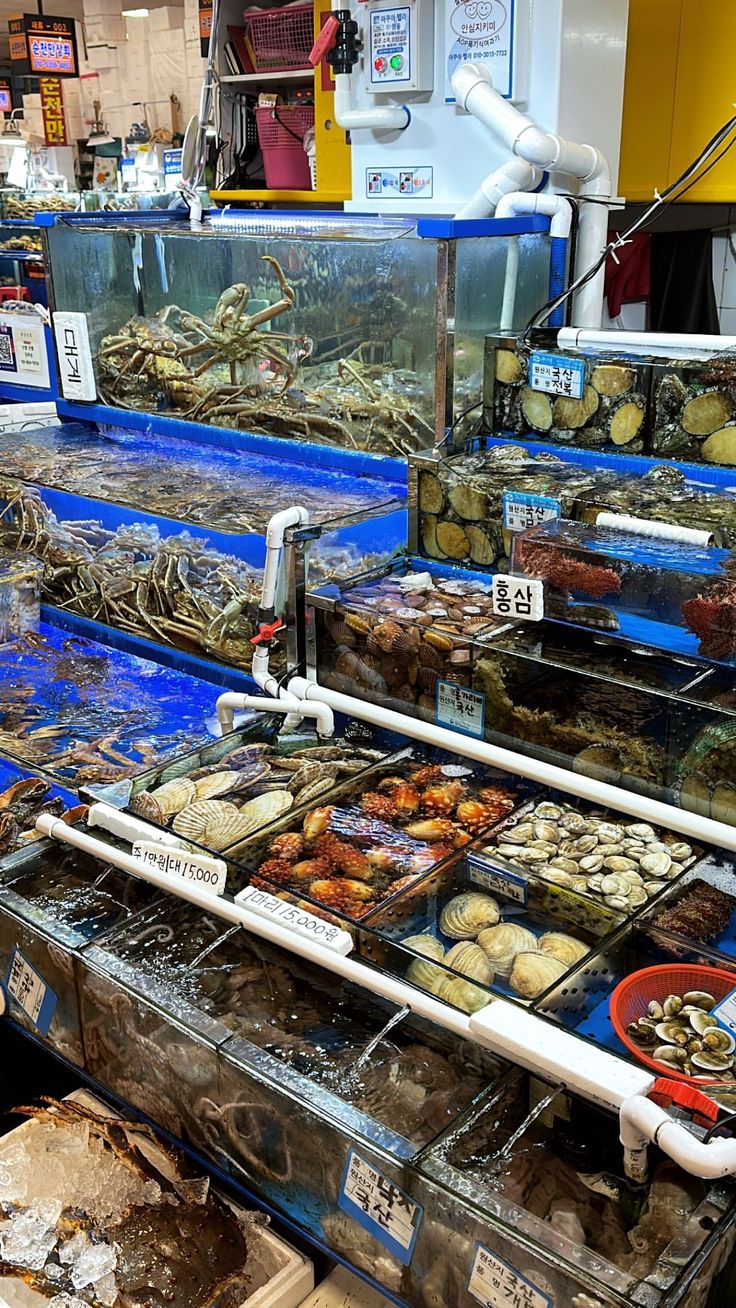
| 1. Choose (market floor) | pick fish or shellfish from the tanks, priced by weight or piece | the stall |
| 2. Slice (same stall) | most vendors slice raw fish (회, hoe) for you; ask if it's included | the stall |
| 3. Eat (restaurant upstairs) | the vendor sends you to a restaurant; sides, sauces and leaves arrive | the restaurant |
| 4. Cook the rest | bones become spicy stew; crab or shellfish can be steamed | the restaurant |
Watch: a walk through Noryangjin, from choosing seafood at the stalls to eating it (video: Strictly Dumpling).
What the restaurant charges
Restaurant fees are separate from the fish and are usually posted on a board at the entrance. The figures below are rough guides; prices change, so confirm before you sit down.
| Fee | What it covers | Rough price |
|---|---|---|
| 상차림비 table setting | seat, side dishes, sauces, leaves | around 4,000–6,000 won a person |
| 매운탕 spicy fish stew | stew from your fish's bones and head | around 5,000–10,000 won a pot |
| 찜 · 구이 steaming, grilling | crab, shellfish or fish | by weight or portion; ask the rate |
| 음료 · 공깃밥 drinks, rice | soju, beer, soft drinks, rice | usual restaurant prices |
What to order
| Korean | Romanization | What it is |
|---|---|---|
| 광어 | gwangeo | olive flounder: mild, firm, the safest first choice |
| 우럭 | ureok | rockfish: chewy and clean, great for stew afterward |
| 도미 | domi | sea bream: delicate and slightly sweet |
| 방어 | bangeo | amberjack: rich and fatty, best in winter |
| 전복 · 멍게 | jeonbok · meongge | abalone, and sea squirt (an acquired taste) |
| 대게 | daege | snow crab: order it steamed upstairs |
| 산낙지 | sannakji | live octopus: cut small and chew well; the suckers stick |
First time? Start with 광어 or 우럭 sliced as hoe, then turn the bones into stew.
Handling vendors and ordering
Vendors call out to passers-by, and the same fish can be priced differently a few stalls apart. A polite "just looking" and a full lap of the floor are normal.
| Korean | Romanization | Meaning |
|---|---|---|
| 그냥 둘러볼게요. | geunyang dulleobolgeyo | Just looking around. |
| 회 떠서 전부 얼마예요? | hoe tteoseo jeonbu eolmayeyo? | How much in total, sliced? |
| 매운탕거리도 싸 주세요. | maeuntanggeorido ssa juseyo | Please pack the bones for stew too. |
You'll hear 뭐 찾으세요? 싸게 해 줄게요! ("what are you looking for? I'll give you a good price!") and a price like 사만 원이요 ("40,000 won"). The traditional market guide covers bargaining.
How to eat hoe like a local
- Take a lettuce or perilla leaf and place a slice of fish on it.
- Add sauce: 초장 (chojang, sweet-sour chili paste) or soy sauce with wasabi.
- Add garlic or a sliver of green chili if you like heat.
- Fold it and eat it in one bite, ideally with soju or beer.
- Finish with 매운탕, the spicy stew made from your fish's bones.
Do
- Walk the whole floor before buying
- Ask the total price, including slicing, before agreeing
- Check the restaurant's fee board before you sit
- Report overcharging to the market's customer service center
Don't
- Feel pressured by vendors calling out
- Assume the table fee covers drinks or stew
- Swallow live octopus pieces without chewing
- Visit on Lunar New Year or Chuseok without checking; the market closes on major holidays
More markets and food streets: Gwangjang Market · Myeongdong street food · Korean alcohol
Frequently Asked Questions
Is Noryangjin open at night? The retail floor keeps long hours and is busy into the evening, while the early-morning auction is for wholesale buyers. The market closes on New Year's Day and the main Lunar New Year and Chuseok holidays, so check before visiting around those dates.
Can I pay by card? Most stalls and restaurants take cards. A few vendors prefer cash or bank transfer, so ask 카드 돼요? (kadeu dwaeyo?) before you agree to a price.
Can I negotiate the price? Some bargaining is normal, especially on larger purchases. Comparing several stalls is more effective than haggling hard at one.
How much should two people budget? A medium flounder sliced for two, plus table fees, stew and a couple of drinks, often comes to roughly 60,000–100,000 KRW. Crab and seasonal fish cost more.