Disclosure: This post contains affiliate links. If you make a booking or purchase through these links, I may earn a small commission at no additional cost to you.
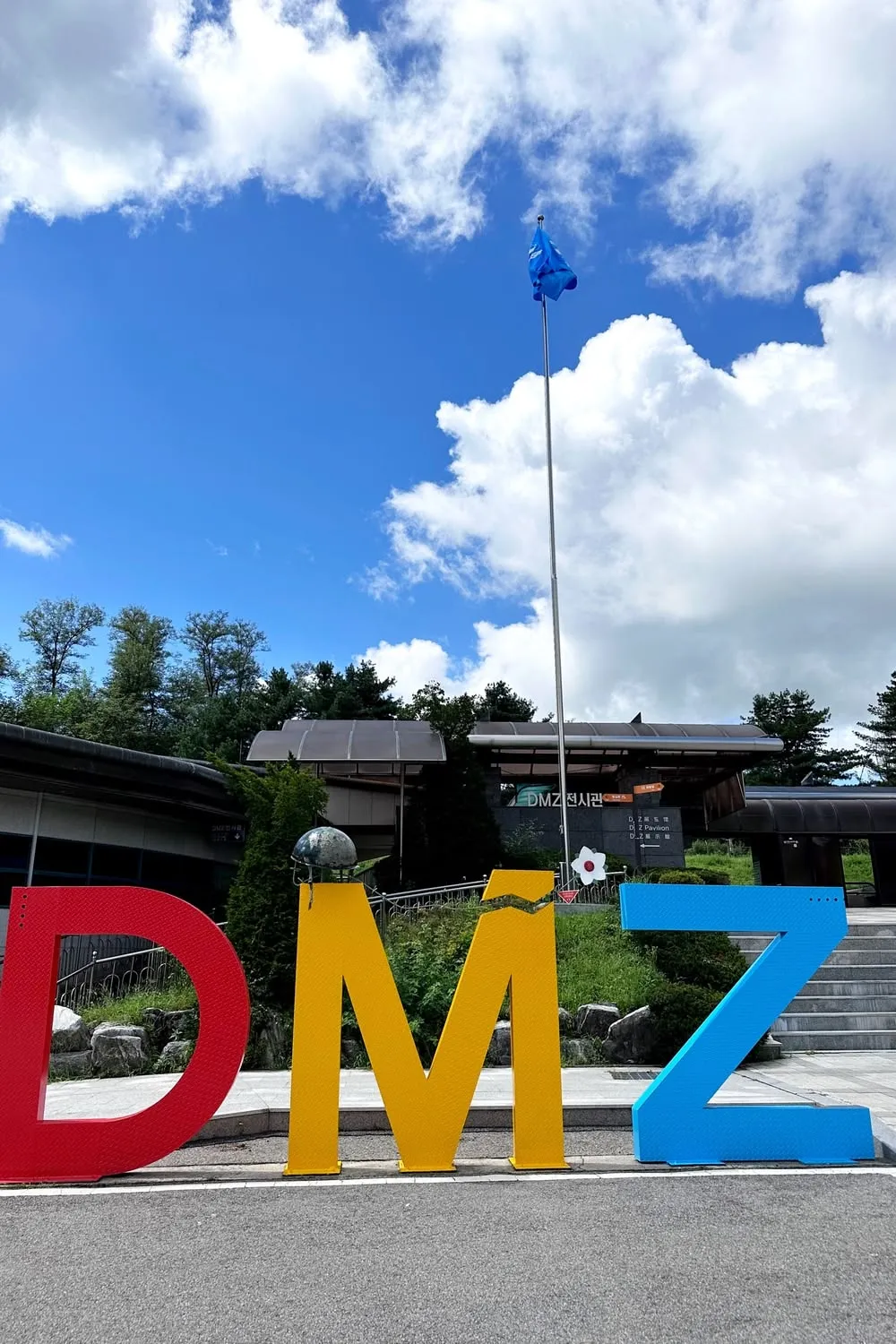
Visiting the Korean Demilitarized Zone (DMZ)—the heavily fortified, 4-kilometer-wide buffer zone separating South and North Korea—is one of the most impactful day trips you can take from Seoul. Its most visited sites sit in Paju, about 1 hour northwest of central Seoul, and offer a rare, firsthand look at modern Korean history, Cold War tunnels, and direct views across the border into North Korea.
However, because the DMZ is an active military zone, you cannot visit the restricted sites independently, and entry rules change often. Here is an up-to-date guide on what is open, how to choose the right tour, and what you must bring on tour day.
Important Rule Updates: What Is Open vs. Closed?
Before booking, understand the difference between a standard DMZ tour and a JSA (Panmunjom) tour:
- Standard DMZ Sightseeing (OPEN): Covers Imjingak Park, the 3rd Infiltration Tunnel, Dora Observatory, and, on some tours, Unification Village. These sites generally run Tuesday through Sunday and close on Mondays and some public holidays—check your tour date.
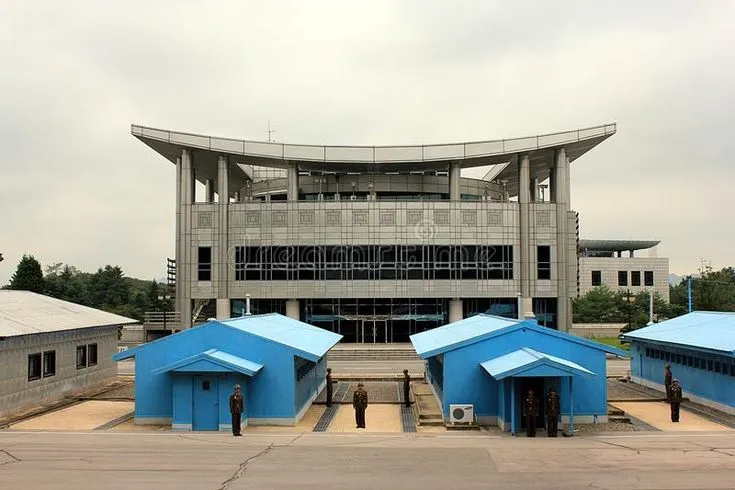
- JSA / Panmunjom Blue Huts (CLOSED to General Tourists): Public tours to the Joint Security Area—where soldiers face each other across the blue conference buildings—have been suspended since July 2023 and, as of November 2026, have not reopened to general visitors. Some listings sold as "JSA" only visit a museum, so read the itinerary carefully. Any restart will be announced by the Ministry of Unification's Panmunjom tour center.
- No Walk-In Entry: Entry into the Civilian Control Zone is controlled by the military. You cannot take a public bus or taxi to the 3rd Tunnel or Dora Observatory—you must go with a licensed tour that handles the checkpoint.
- Central SeoulMyeongdong / Hongdae pickup · ~1 hr, about 50 km to the border area
- 1Imjingak Park & Freedom BridgeStaging area south of the Imjin River, open to everyone
- 23rd Infiltration TunnelNorth of the Civilian Control Line · tour bus only, passport check
- 3Dora ObservatoryHilltop binoculars looking across the DMZ toward Kaesong
Concept diagram, not to scale. Only licensed tours may cross the Civilian Control Line; JSA / Panmunjom is not on standard tours.
Which DMZ Tour Should You Book? (3 Main Options)
Most tours depart central Seoul (Myeongdong, City Hall, or Hongdae) around 7:00–7:30 AM and return by early-to-mid afternoon, leaving your evening free in Seoul:
| Tour Option | Duration | Key Stops Included | Best For |
|---|---|---|---|
| 1. Classic Half-Day DMZ Tour | ~6.5 hours (7:30 AM – 2:00 PM) | Imjingak Park, Freedom Bridge, 3rd Infiltration Tunnel, Dora Observatory, Unification Village | First-time visitors who want the core history and an afternoon free in Seoul |
| 2. DMZ + Suspension Bridge Tour | ~8 hours (7:00 AM – 3:00 PM) | Classic DMZ stops plus Gamaksan or Majang Lake Suspension Bridge | Travelers wanting mountain or lake scenery alongside the historic DMZ |
| 3. Private / Small-Group DMZ Tour | ~7 – 8 hours (flexible hotel pickup) | Custom pace through Paju DMZ sites + optional Odusan Unification Observatory | Families with kids, seniors, or travelers who prefer to skip large tour buses |
Key Stops on a Standard DMZ Tour
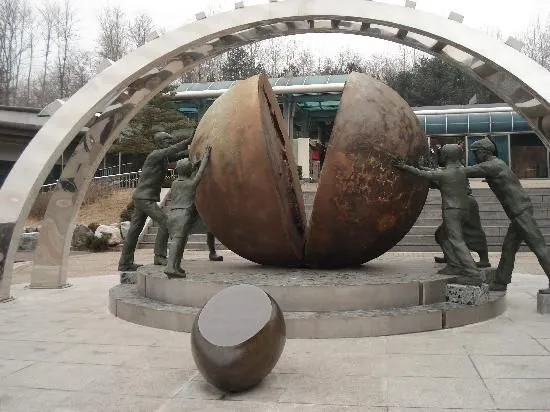
- Imjingak Park & Bridge of Freedom: The staging area just south of the Civilian Control Line, with the bullet-riddled steam locomotive halted during the Korean War, memorial ribbons, and a gondola crossing the Imjin River.
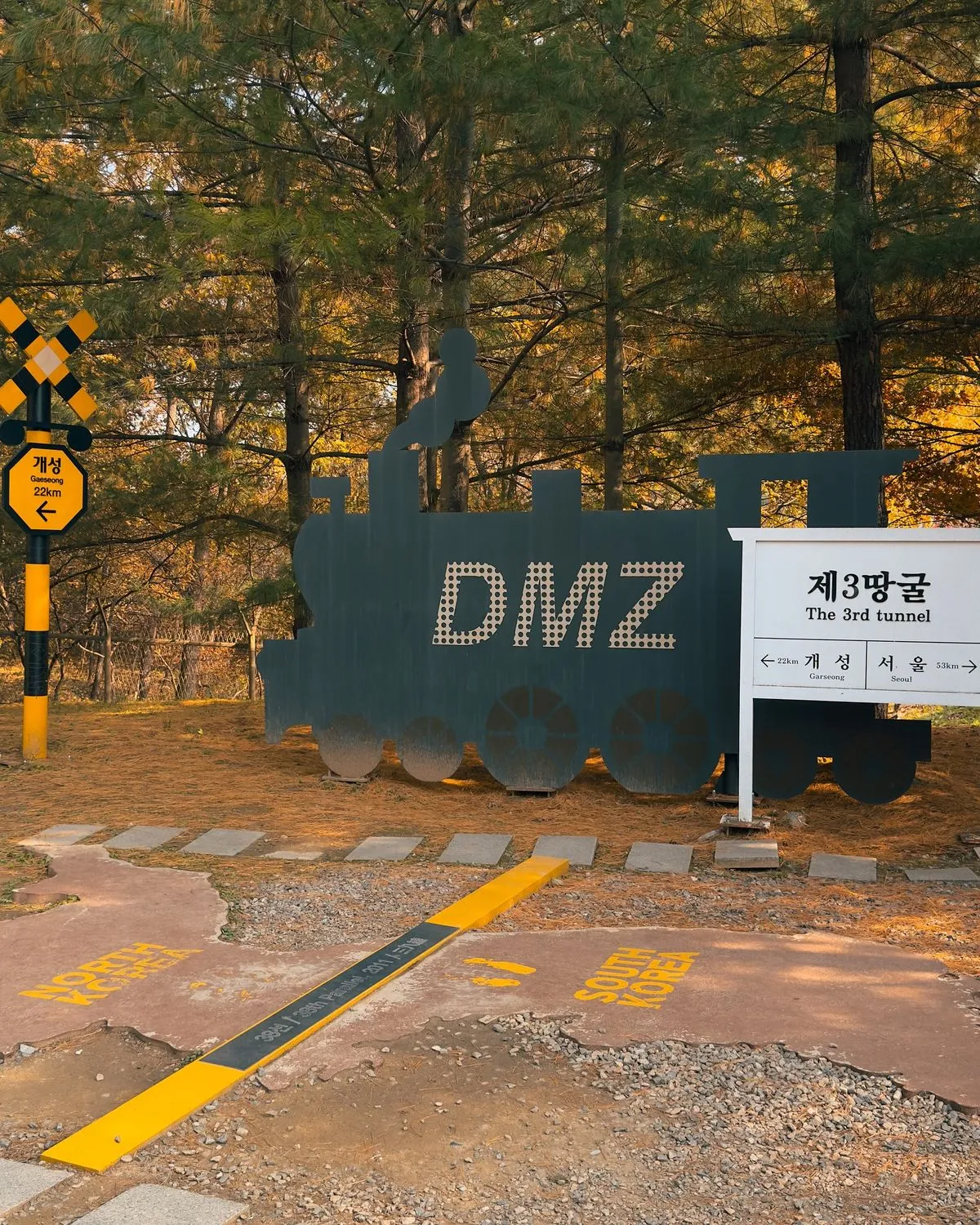
- The 3rd Infiltration Tunnel: Discovered in 1978, this roughly 1.6-kilometer tunnel was dug beneath the border toward Seoul. Visitors wear hard hats and walk down a long, steep access tunnel deep underground (phones and cameras go into lockers before you enter).
- Dora Observatory: With high-powered binoculars, this hilltop observatory looks across the border toward the North Korean village of Kijong-dong and, on clear days, the city of Kaesong.
Tour Day Checklist (Do Not Forget!)
- Bring Your Original Physical Passport: Soldiers check passports at the Civilian Control Line checkpoint. Photos on your phone, photocopies, or driver's licenses are not accepted—without your passport you will be turned away, usually without a refund.
- Book at Least 5–7 Days in Advance: Daily tour capacity into the controlled area is limited, so popular dates sell out ahead of time—especially in spring and autumn.
- Wear Comfortable Walking Shoes: The walk back up from the 3rd Infiltration Tunnel is a long, steep, and often damp climb.
- Stay Near Pickup Hubs: Most morning buses pick up near Myeongdong, City Hall, or Hongik Univ. Station. If you are staying in central Seoul, see our reviews of L'Escape Hotel Seoul (Myeongdong) and Four Seasons Hotel Seoul (Gwanghwamun, near City Hall)—both are a short walk or one subway stop from common morning meeting points.