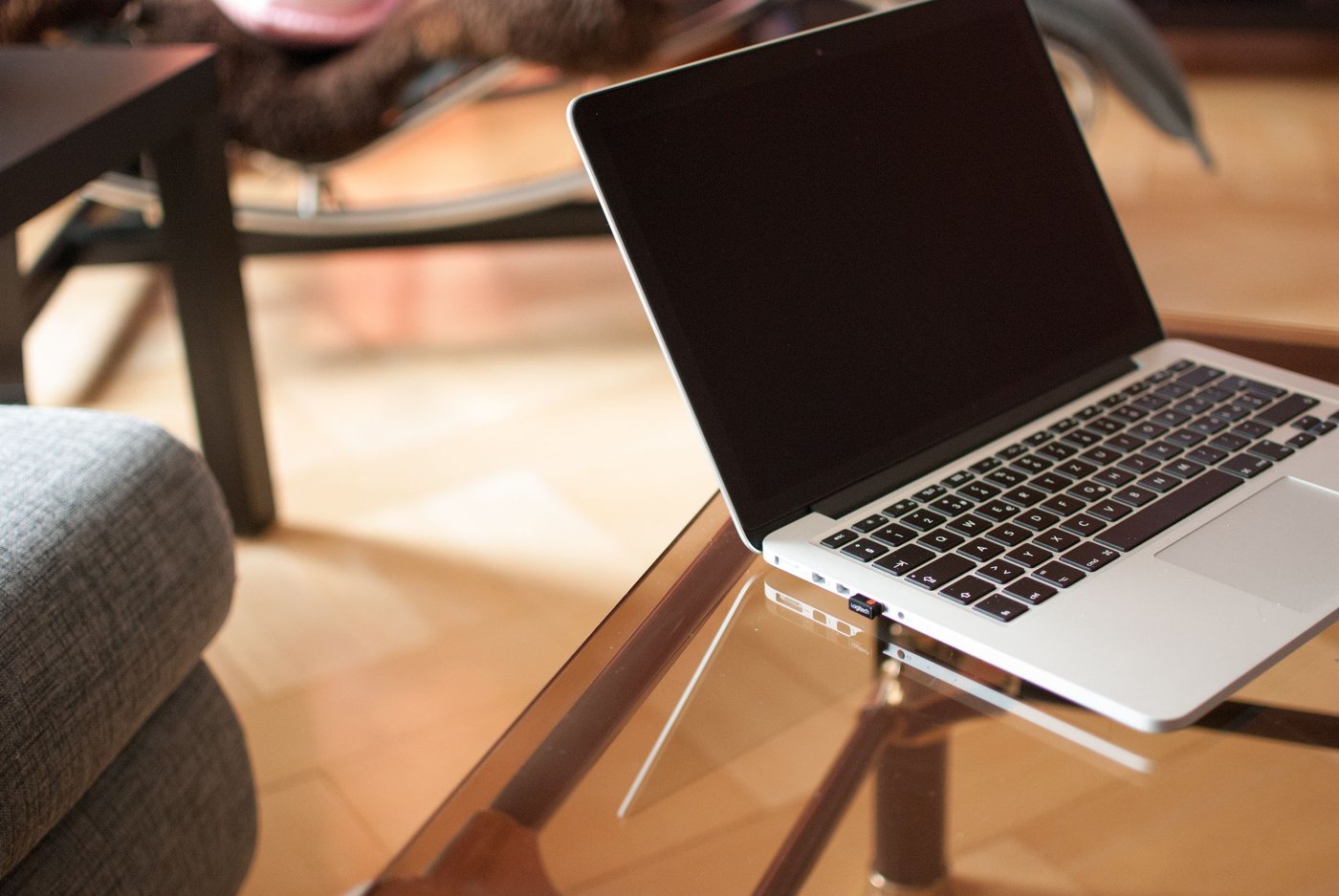
Leaving a thousand-dollar laptop or smartphone on an open café table while ordering coffee or using the restroom is routine behavior across South Korea. This everyday phenomenon stems not from carelessness, but from a rigid network of high-density surveillance, pervasive social accountability, and explicit cultural boundaries.
The Triad Behind Unattended Device Safety
Foreign visitors frequently view unattended electronics in public spaces as an immediate theft risk. In Seoul, three operational factors prevent casual property crime in commercial venues.
In Korea, property theft is treated as a high-detection offense rather than a high-reward opportunity. The immediate trace footprint vastly outweighs the street value of secondhand hardware.
- Ubiquitous Surveillance Density: Commercial cafés operate comprehensive internal CCTV networks, while municipal monitoring covers adjacent streets and entrance corridors.
- Real-Name Digital Infrastructure: Selling stolen electronics within South Korea requires domestic verification tied to residential IDs and bank accounts, eliminating quick resale channels.
- Collective Social Norms: Public space is governed by shared spatial ownership; moving or taking another patron's placed marker is considered an egregious social violation.
Unattended Item Protocols: What Stays vs. What Moves
While the environment is exceptionally safe, locals still draw clear operational distinctions between baseline markers and high-risk portables.
| Item Category | Action Protocol | Risk Assessment |
|---|---|---|
| Laptops & Tablets | Leave open on desk or plugged in | Minimal risk; standard practice for seat reservation |
| Smartphones | Face-down on table or in pocket | Low risk; often left behind to hold temporary seating |
| Wallets & Passports | Pocket or carry along to the counter | Moderate risk; contains primary physical credentials |
| Winter Coats & Bags | Drape over chair back | Zero risk; universally recognized as occupied space |
3-Step Protocol for Visiting Café Patrons
Follow these standard steps to reserve seating and secure your personal belongings like a Seoul local.
- Step 1: Stake the Table Before Ordering During peak hours (12:00–14:00 and 19:00–21:00), never order beverages before securing a seat. Place an obvious marker—such as a jacket, notepad, or tablet—directly on the target table before approaching the barista counter or kiosk.
- Step 2: Carry Identity Documents and Primary Cash Keep your passport, main credit cards, and cash pouch on your person. While consumer electronics are almost universally left untouched, identity documents are difficult to replace abroad and should not be left in open spaces.
- Step 3: Keep Restroom Breaks Within Standard Thresholds Leaving equipment unattended for 5 to 10 minutes to visit the counter or restroom is completely standard. However, vacating a table for more than 30 minutes risks having staff clear the table to maintain turnover for waiting customers.