
At a K-pop concert, the audience is part of the stage design.
Look at photos from any big K-pop concert and the crowd itself is glowing in perfect waves of color. That is not a coincidence or a happy accident. It is the work of the official lightstick, a fan accessory unique to each group that has become one of the most recognizable objects in Korean pop culture. Here is why it matters so much, and how it actually works.
Key Takeaways
- Every major group has an official lightstick with its own design and name
- At concerts, organizers control the lights centrally, turning the crowd into one screen
- You usually pair it with a phone app and enter your seat before the show
- Fans call it 응원봉 (eungwonbong), literally a "cheering stick"
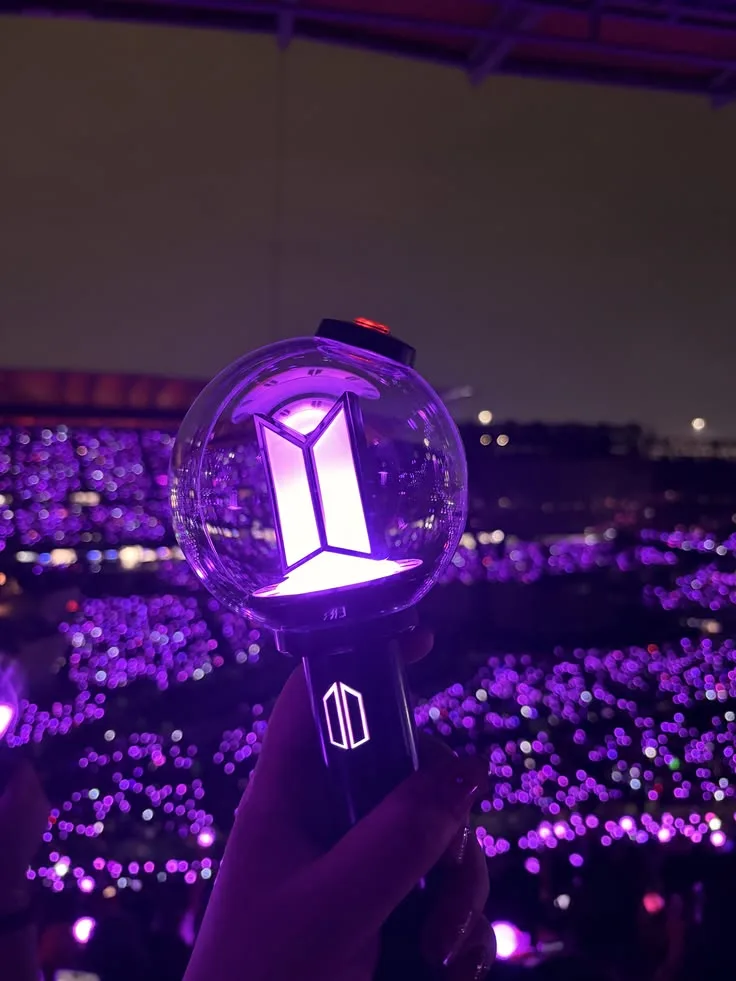
From glow sticks to designed objects
Fans have waved lights at Korean concerts for decades, but in the early days they used generic glow sticks or balloons in a group's official color. From the mid-2000s, agencies began releasing branded lightsticks, and the idea spread until a debut without one started to feel incomplete. Today a lightstick is part of a group's identity, often referencing a symbol from their logo, a fandom name or a story from their music.
Many fandoms give theirs a nickname, and fans compare designs the way sneaker collectors compare releases. New versions come out every few years with brighter LEDs or new shapes, and collectors keep every generation on a shelf at home.
| Feature | What it means |
|---|---|
| Unique design | Instantly identifies which fandom you belong to |
| Official color | Many groups have a signature color the crowd fills the venue with |
| Bluetooth pairing | Lets the venue control your lightstick during the show |
| Version numbers | Ver. 2 or Ver. 3 marks a redesign; older versions may still work |
| Fan nickname | A cute name fans use instead of "lightstick" |
How a stadium becomes one screen
Modern lightsticks contain a small wireless receiver. Before the show, you pair the lightstick with the group's app on your phone and register your section, row and seat. During the concert, the production team sends signals across the venue, so each lightstick knows when to change color, pulse or switch off.
Because the system knows roughly where you are sitting, it can paint patterns across the crowd: waves rolling from one side of the stadium to the other, the group's name spelled out in the stands, or a single color filling the room for an emotional ballad. Fans in the seats see only their own stick changing, which makes the photos afterward surprisingly emotional.
More than merchandise
For fans, the lightstick is a badge of belonging. Holding it in the subway on the way to a concert is a signal to strangers that you share something, and it is common to see fans helping each other pair devices or swap batteries outside the venue. At award shows, a sea of one color can show which group has turned out in force.
Lightsticks have even left the concert hall. In recent years Korean fans have brought them to candlelight-style public gatherings and vigils in place of real candles, a sign of how naturally the object has become part of everyday expression. Few fan accessories anywhere carry that kind of meaning.
A small light, a big idea
The K-pop lightstick sums up something distinctive about Korean fan culture: the audience is not just watching, it is participating in a shared, coordinated performance. Thousands of strangers, each holding a small light, agree for one night to act as one.
If you are heading to a show in Seoul, check the K-Pop Event Calendar for dates, pair your lightstick early, and get ready to become part of the stage.
Frequently Asked Questions
Do I need a lightstick to attend a K-pop concert? No, but most fans bring one, and the light show is a big part of the experience.
Can I use any lightstick at a concert? Only the group's official lightstick will sync with that concert's light show.
How do K-pop lightsticks change color by themselves? They pair via Bluetooth, and the venue sends wireless signals that control color by seat area.
What is 응원봉? It is the Korean word for lightstick, meaning "cheering stick."