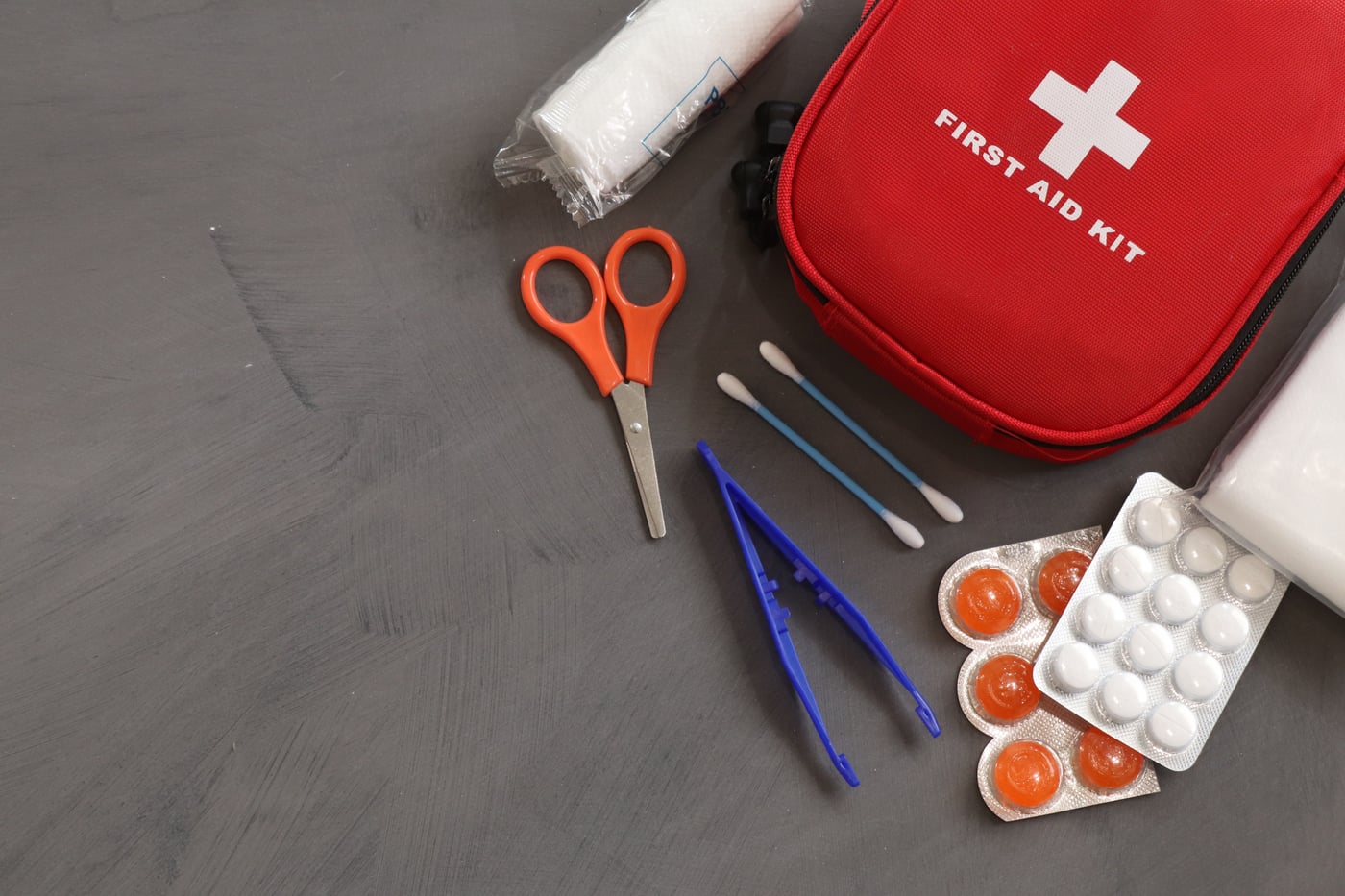
Navigating sudden illness late at night in South Korea does not require expensive emergency room visits. Designated 24-hour convenience stores carry legally regulated safety over-the-counter (OTC) medicines for acute symptom management, while standard daytime neighborhood clinics offer fast, low-cost walk-in consultations for foreign nationals without health insurance.
Convenience Store OTC Medicine: Permitted Classes and Limits
Under South Korean pharmaceutical regulations, select 24-hour convenience franchises (CU, GS25, 7-Eleven) are licensed to retail 13 state-approved essential OTC remedies when pharmacies are closed.
By law, sales are strictly capped at one packaging unit per customer to prevent accidental overdose or misuse, and buyers must be at least 12 years of age. These medications are stocked in locked glass cabinets behind or beside the primary checkout register.
"Energy drinks and herbal wellness tonics on open beverage shelves are functional foods, not pharmaceuticals. Legitimate OTC medicines are stored exclusively at the cash register and bear the official '안전상비의약품' (Safe and Essential Medicine) regulatory label."
- Antipyretics and Analgesics: Tylenol 500mg (Acetaminophen for fevers, migraines, dental pain), Children's Tylenol Suspension, Children's Brufen Syrup (Ibuprofen).
- Cold and Flu Formulations: Panpyrin T Tablets (pill-based combination cold relief), Pancold-A Oral Solution (liquid formulation for sore throats and congestion).
- Digestive Enzyme Aids: Bearse, Doctor Bearse, Festal Gold, Festal Plus (comprehensive digestive enzymes targeting heavy food stagnation).
- Topical Anti-Inflammatory Patches: Sinsin Pas Arex, Jeil Cool Pap (menthol and capsaicin transdermal muscle pain patches).
Convenience Store Remedies vs. Primary Local Clinics
Understanding the capability divide between convenience store inventory and local neighborhood clinics avoids unnecessary suffering and uncontrolled healthcare expenses.
| Service Metric | 24-Hour Convenience Store | Local Outpatient Clinic (내과 / 이비인후과) |
|---|---|---|
| Operating Window | 24/7/365 continuous access | Weekdays 09:00–18:30, Saturdays until 13:00 |
| Scope of Treatment | 13 basic single-active-ingredient OTC drugs | Comprehensive prescription drugs (antibiotics, IV drips, anti-virals) |
| Uninsured Foreigner Cost | 3,000 KRW to 6,000 KRW per box | 20,000 KRW to 40,000 KRW consultation + pharmacy dispensing |
| Reservation Requirement | Walk-in instant shelf purchase | No reservation needed (Walk-in desk triage, 15-minute wait) |
| Communication Layer | Self-directed packaging inspection | English-speaking physicians assisted by mobile translation apps |
3-Step Action Plan: Nighttime Relief to Daytime Treatment
- Step 1: Request Specific OTC Remedies at the Convenience Counter Approach the clerk and state the generic brand name directly (e.g., "Tylenol" or "Pancold"). If language barriers arise, display the Korean pharmaceutical names ("타이레놀" for pain/fever, "판콜" for cold, "훼스탈" for indigestion) on your smartphone screen. Purchase one box per transaction and follow package dosage limits strictly.
- Step 2: Locate a Primary Neighborhood Clinic on Naver Map If acute symptoms persist into morning, bypass large university hospital emergency rooms, which charge substantial emergency triage facility fees. Open Naver Map and search "Internal Medicine" (내과, Naegwa) or "ENT" (이비인후과, Ibi-in-hu-gwa). Select a private practitioner located near a major transit station exit and arrive by 09:00 AM.
- Step 3: Complete Desk Intake and Fulfill External Pharmacy Scripts Present your physical passport at the clinic reception desk, provide your local accommodation address, and state that you are an uninsured foreign visitor. After consultation, collect your printed medical prescription (Cheobangjeon) from the desk, proceed directly to the independent pharmacy situated on the building's ground floor, hand over the paper slip, and receive your multi-day personalized medication packet.