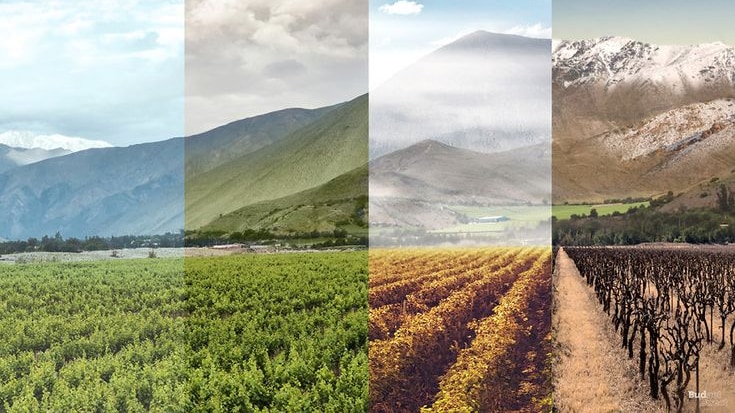
Korea has four distinct seasons, from humid monsoon summers to dry, freezing winters, so what you pack depends heavily on when you go. Check the season table below, plan around layers, and buy small essentials like hand warmers or umbrellas locally.
Key Takeaways
- Winter (Dec–Feb): often below freezing; pack a warm coat, hat and gloves
- Summer (Jun–Aug): hot and humid, with a rainy season around late June to July
- Spring and autumn: mild days, cool nights; layers are key
- Avoid: overpacking; convenience stores sell umbrellas, hand warmers and socks everywhere
Season by season
| Season | Typical weather | What to wear | Must-bring |
|---|---|---|---|
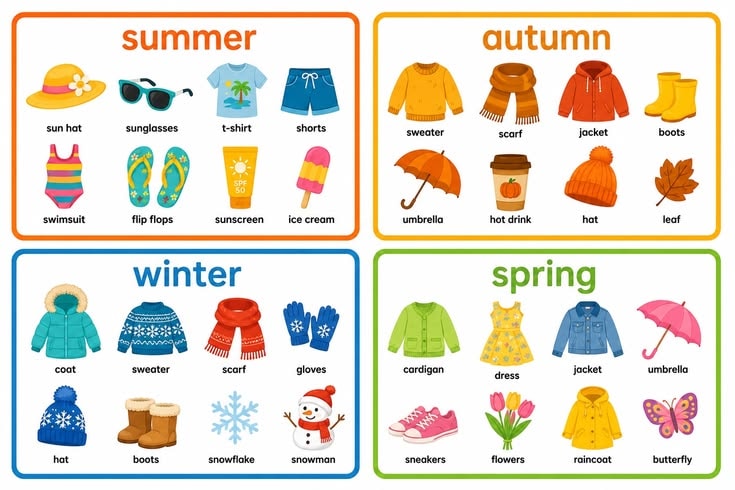
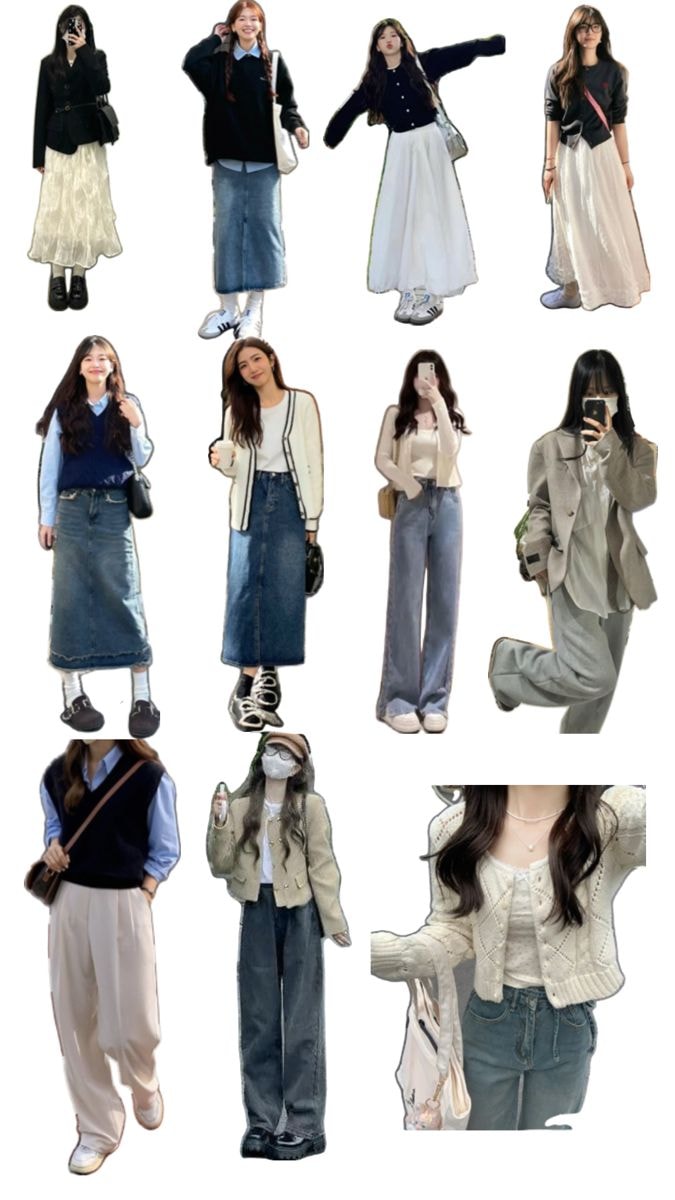
| Spring (Mar–May) | Mild days, chilly mornings, occasional fine dust | Light jacket, sweaters, comfortable shoes | A mask for dusty days |
| Summer (Jun–Aug) | Hot, very humid; monsoon rains and possible typhoons | Breathable clothes, sandals, a light layer for air-conditioning | Umbrella, sunscreen |
| Autumn (Sep–Nov) | Clear, dry, comfortable; cold by late November | Layers, a medium jacket | Walking shoes for foliage hikes |
| Winter (Dec–Feb) | Dry and cold, often well below freezing | Thermal layers, a long padded coat, hat, gloves | Lip balm, hand cream, hand warmers |
For the week you are actually traveling, check the Korea 3-Day Weather & Clothing Advice before you pack.
Winter: dressing for real cold
Seoul winters are colder than many visitors expect, especially with wind chill. Locals wear long padded coats (롱패딩) that reach the knees, and stick disposable heat packs inside their clothes.
| Item | Why |
|---|---|
| Long padded coat | Wind protection; can be bought locally |
| Thermal underwear (내복) | Warm under jeans; sold at Uniqlo and markets |
| Hand warmers (핫팩) | Cheap at every convenience store |
| Hat, gloves, scarf | Ears and hands freeze first |
| Moisturizer | Indoor heating is very dry |
Summer: heat, humidity and rain
The rainy season (장마, jangma) usually arrives in late June and lasts several weeks, followed by peak heat and humidity in August. Typhoons can bring heavy rain in late summer and early autumn.
| Item | Why |
|---|---|
| Compact umbrella | Showers arrive suddenly |
| Quick-dry clothes | Humidity keeps cotton damp |
| Light cardigan | Subways, cafes and malls are strongly air-conditioned |
| Sandals or quick-dry shoes | Puddles during jangma |
| Portable fan | A Korean summer staple, sold everywhere |
핫팩 어디 있어요?
Hatpaek eodi isseoyo?
Where are the hand warmers?
계산대 옆에 있어요.
Gyesandae yeope isseoyo.
Next to the counter.
우산도 하나 살게요.
Usando hana salgeyo.
I'll buy an umbrella too.
봉투 필요하세요?
Bongtu piryohaseyo?
Do you need a bag?
Packing smart
Do
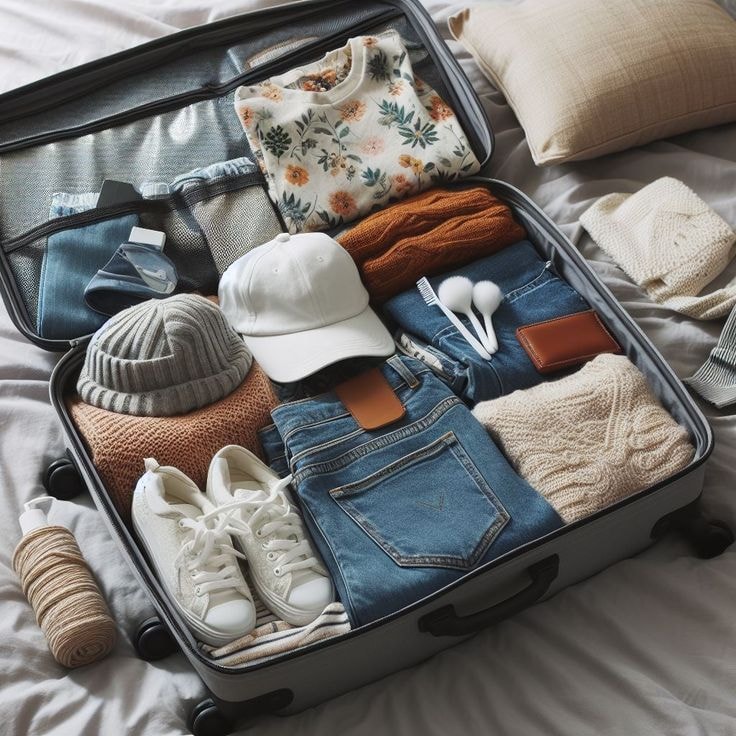
- Pack comfortable walking shoes; you'll walk a lot
- Leave suitcase space for K-beauty and shopping
- Bring layers rather than one heavy outfit
- Check the forecast for fine dust and typhoons
Don't
- Underestimate Seoul winters
- Pack only shorts for summer; air-conditioning is cold
- Bring a giant umbrella; buy one locally if needed
- Forget socks; you'll take shoes off in many places
More travel prep: cherry blossom and autumn foliage, fine dust and masks, and Incheon Airport arrival.
Frequently Asked Questions
What is the best season to visit Korea? Spring (April–May) and autumn (September–November) offer the most comfortable weather, plus cherry blossoms and autumn foliage.
How cold does Seoul get in winter? Temperatures regularly drop below freezing, and cold snaps can feel much colder with wind chill. Pack a properly warm coat.
Do I need an umbrella in summer? Yes, especially during the rainy season from late June to July. Convenience stores sell umbrellas if you get caught out.
Why do I need socks? You'll take shoes off in many restaurants with floor seating, homes, temples and hanok stays.