Most substitution advice for gochujang is some version of "use sriracha." It does not work, and it is worth understanding why before reaching for a replacement.
Gochujang is doing three jobs in a dish at once:
- Heat — moderate, slow, not sharp
- Sweetness — from fermented glutinous rice, not added sugar
- Umami and funk — from fermented soybean
And a fourth thing that is easy to overlook: body. Gochujang is thick enough to cling to rice cakes and coat meat. A thin sauce will slide off.
Any substitute needs to cover at least three of those four.
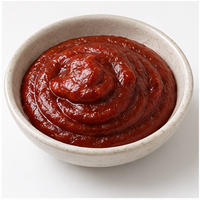
The mixes, ranked
1. Miso + gochugaru + honey — closest
| Ingredient | Amount |
|---|---|
| Red or white miso | 2 tbsp |
| Gochugaru | 1 tbsp |
| Honey or corn syrup | 1 tbsp |
| Soy sauce | 1 tsp |
Makes roughly 3 tbsp, replacing 3 tbsp gochujang.
This covers all four properties, which no single product does. Red miso gets you closer than white. Let it sit ten minutes before using so the gochugaru hydrates and stops tasting dusty.
Use for: stews, marinades, bibimbap sauce.
2. Miso + cayenne + sugar — when you have no gochugaru
| Ingredient | Amount |
|---|---|
| Red miso | 2 tbsp |
| Cayenne or paprika mix | 1/2 tsp |
| Sugar | 1 tbsp |
| Water | 1 tsp |
Note the cayenne amount. Korean chili is much milder than cayenne, so a one-for-one swap with gochugaru will overwhelm the dish. Start low.
Smoked paprika is tempting but adds a smokiness that is distinctly not Korean.
3. Sambal oelek + miso + sugar
Sambal is closer in texture than sriracha and has less vinegar. Two parts sambal, one part miso, plus a teaspoon of sugar per tablespoon.
4. Sriracha — heat only, and only in a pinch
Sriracha is thin, sharply vinegary, and garlicky. In a marinade where other ingredients dominate you may get away with it. In tteokbokki or bibimbap you will not.
If you use it, reduce or omit other vinegar in the recipe and add a little honey.
What does not work
Harissa. The chili base is fine but harissa carries caraway, coriander, and cumin. Those read as North African, and they are noticeable in a Korean dish rather than blending in.
Ketchup and chili flakes. This circulates online. Ketchup's sweetness is sharp and tomato-forward, and the acidity is wrong. It produces something edible but not Korean.
Chili garlic sauce alone. No sweetness, no fermented depth, thin.
Dishes where you should not substitute
Some dishes are gochujang delivery systems. If gochujang is the primary flavor rather than a component, a substitute will not read as the dish.
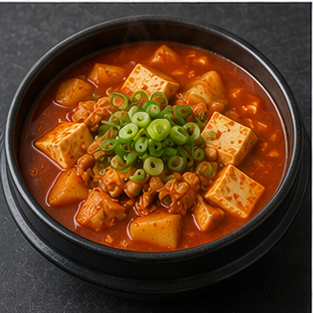
- Tteokbokki — the sauce is essentially gochujang
- Bibimbap sauce — same
- Gochujang jjigae — the name is the ingredient
For these, it is worth waiting until you can buy the real thing. A tub costs a few dollars and lasts a year in the fridge.
Where substitutes work fine: marinades for grilled meat, stir-fried vegetables, soups where gochujang is one of several seasonings.
A note on heat
Export gochujang is usually milder than people expect — around level 2 or 3 on the Korean 1-to-5 scale. If your substitute tastes hotter than the dish should be, you have overcorrected.
The test: gochujang should taste sweet first, then warm. Not sharp.
Making a small batch worth it
Mixed substitutes keep about a week in the fridge. Make three tablespoons at a time rather than a jar — the gochugaru dulls quickly once wet, and the mix is fast enough to redo.
If you find yourself making it more than twice, buy gochujang. You have already spent more on the components.
K-Pantry shows which recipes you can make with what you already have, and which ones need one more ingredient before they work. Try K-Pantry