The most common reason people give up on cooking Korean food at home is that the nearest Korean grocery store is an hour away, or simply doesn't exist. It is a real obstacle, but a smaller one than it looks.
Most Korean home cooking rests on a base of soy sauce, garlic, sesame oil, and sugar. All four are in any ordinary supermarket. What you can't easily replace is a much shorter list than you'd think.
What you can buy anywhere
- Soy sauce — a Japanese brand works fine for most cooking. Korean soup soy sauce is different, but that difference matters mainly in clear soups.
- Garlic — used in enormous quantities, and it's the same garlic.
- Sesame oil — check it's toasted, which is what you want.
- Rice — short grain or sushi rice is the closest match.
- Green onions, onions, carrots, zucchini, potatoes, eggs, tofu — all standard.
- Sugar, honey, black pepper — standard.
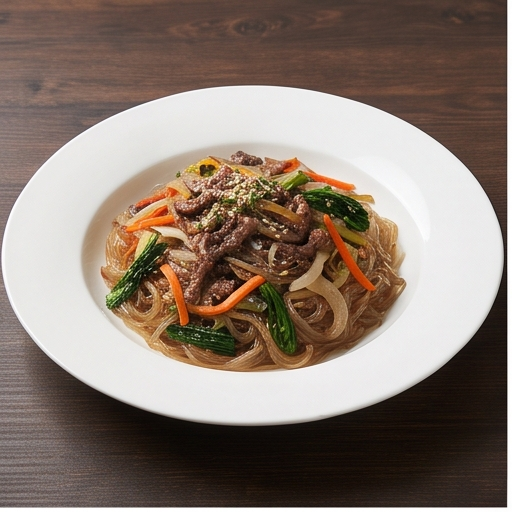
That list alone gets you bulgogi, japchae with regular noodles, seasoned vegetables, steamed egg, and most soy-based braises.
What substitutes acceptably
These aren't perfect, but they land close enough that the dish still works.
| Korean ingredient | Workable substitute |
|---|---|
| Gochugaru | Sweet paprika plus a pinch of cayenne |
| Korean pear (in marinades) | Bosc pear, or grated apple |
| Perilla leaf | Shiso, or young basil in a pinch |
| Soup soy sauce | Regular soy sauce plus a bit of salt |
| Rice syrup | Corn syrup or honey, slightly less |
| Mirin | Dry sherry with a little sugar |
The gochugaru substitute deserves a note. Paprika and cayenne together give you the color and some heat, but not the fruity, slightly smoky quality of real Korean chili flake. It's a workable bridge, not a permanent solution.
What genuinely doesn't substitute
Be honest with yourself about these three.
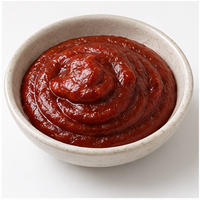
Gochujang. Sriracha, harissa, and miso mixed with chili are all sometimes recommended online. None of them taste like gochujang, because none of them are fermented soybean plus chili plus rice starch. If you want to cook Korean food regularly, this is the one jar worth ordering online.
Doenjang. Japanese miso is the usual suggestion and it is genuinely the closest thing, but doenjang is funkier, saltier, and coarser. A stew made with miso is a good soup, but it isn't doenjang jjigae.
Kimchi. Sauerkraut is not a substitute in any meaningful way — different fermentation, different seasoning, different texture. Fortunately kimchi is now stocked in a lot of mainstream supermarkets, and it's also the easiest of the three to make yourself.
The minimum viable order
If you're going to order anything online, order these three and nothing else at first:
- Gochujang — one tub lasts months in the fridge
- Gochugaru — buy the coarse grind, not fine
- Doenjang — optional if you already have miso and want to wait
That's under thirty dollars in most places and it unlocks the overwhelming majority of Korean home recipes. Everything else on the standard "Korean pantry essentials" lists is genuinely optional at the start.
Start with what translates cleanly
Rather than trying to force a substitution into a dish that depends on the real thing, start with recipes that were never going to need it. Bulgogi, japchae, seasoned spinach, steamed egg, and soy-braised potatoes all use ingredients you already have.
Cook those first. Order the three jars. Then expand.
Want to know what you can make right now? K-Pantry looks at the ingredients you already have and shows you which Korean dishes are ready to go, and which need one or two more items.