The barrier to cooking Korean food at home is rarely technique. Most home dishes are simple. The barrier is that recipes assume a pantry you do not have, so a single dish turns into a forty-dollar shopping trip.
The way around this is to buy in an order where each purchase unlocks several dishes rather than one.
The order
1. Gochugaru (Korean chili flakes)
The highest-value first purchase. It appears in kimchi, most stews, seasoned vegetables, and stir-fries, and it has no real substitute — cayenne is far hotter and lacks the fruitiness.
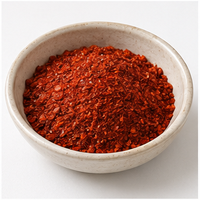
Buy coarse grind if choosing one. Store it in the freezer; it fades fast at room temperature.
2. Soy sauce
A Korean brewed soy sauce or jin ganjang. Marinades, braises, stir-fries, seasoning.
Japanese soy sauce works acceptably here if you already have it. Save the money for something you cannot substitute.
3. Sesame oil
Toasted, not the pale untoasted kind. It is a finishing oil, not a cooking oil — added off the heat, at the end, in small amounts.
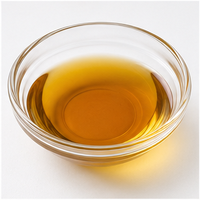
This is the ingredient that makes food taste specifically Korean rather than generically Asian. A small bottle lasts a long time.
4. Garlic
Fresh, and more than you think. Korean cooking uses garlic at a volume that surprises people.
Buying pre-minced in a jar is common in Korean homes too, and it is fine. Frozen minced garlic cubes are better than the jarred kind in oil.
5. Gochujang
Now the spicy staples open up: tteokbokki, bibimbap, spicy marinades, dipping sauces.
One tub lasts a year in the fridge.
6. Doenjang
Fermented soybean paste. Doenjang jjigae alone justifies it, and it also seasons vegetables and makes ssamjang when combined with gochujang.
Miso can stand in at reduced strength if you already have it, but the two are not the same.
7. Dried anchovies and kelp
These two together make the stock that sits under most Korean soups. Bought as a pair because neither does the job alone.
If that feels like a step too far, stock packets (육수팩) are a reasonable substitute for a while.
8. Short-grain rice
Korean meals are built around it, and long-grain rice genuinely changes the meal — the texture is meant to be slightly sticky.
Japanese short-grain rice is the same category and works.
What not to buy yet
The specialty items that appear in single recipes and then sit unused:
- Perilla oil — distinctive, but narrow
- Fish sauce (액젓) — mostly for kimchi making
- Corn syrup (물엿) — sugar and honey cover it
- Rice cakes — buy when you make tteokbokki, they do not keep well
- Gim, dried anchovies for stir-frying, specialty pastes
None of these are wrong. They are just poor value at the start.
Rough cost
All eight run about 50–70 USD at a Korean grocery, most of it in items that last six months to a year. The recurring cost after that is garlic, rice, and vegetables.
The expensive-feeling part is that it lands in one trip. Splitting it across two visits — items 1 to 4, then 5 to 8 — makes it easier and still lets you cook after the first trip.
Where to buy
Korean grocery stores are cheapest and have the widest range. H Mart in North America, oriental supermarkets in most European cities.
General Asian grocers will have soy sauce, sesame oil, and rice, and often gochujang. Gochugaru and guk ganjang are less reliable.
Online works for shelf-stable items and is sometimes the only option. Check the gochugaru is Korean rather than generic chili flakes — the packaging usually says 고춧가루.
The point of the order
After items 1 to 4 you can already cook a surprising amount: seasoned vegetables, stir-fried dishes, simple marinated meat, egg dishes. That is enough to find out whether you will keep cooking this way before committing to the rest.
K-Pantry works from the same idea in reverse — you tell it what you have, and it shows what you can make now and what one more ingredient would unlock. Try K-Pantry