A Korean recipe will ask for 간장 and expect you to know which one. There are three in common use, they sit next to each other on the shelf in near-identical bottles, and swapping them produces predictable problems.
The three
| Name | Korean | Color | Salt | Use |
|---|---|---|---|---|
| Jin ganjang | 진간장 | Dark | Moderate | Braising, marinades, stir-fry |
| Guk ganjang | 국간장 | Light amber | High | Soups, seasoning vegetables |
| Yangjo ganjang | 양조간장 | Dark | Moderate | All-purpose, dipping |
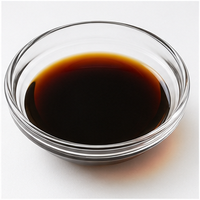
The crucial pair is jin ganjang and guk ganjang. They are not stronger and weaker versions of one thing — they do opposite jobs.
Guk ganjang: light in color, heavy in salt
Also called 조선간장 or soup soy sauce. It is the traditional Korean type, made as a byproduct of doenjang production, and it is the one most likely to trip you up.
Two things about it:
It is much saltier. Often 1.5 to 2 times the sodium of regular soy sauce. Measuring it like ordinary soy sauce will ruin a soup.
It barely colors the broth. That is the entire point. Korean soups are seasoned to be clear — a pale, clean broth with full savory depth. Dark soy sauce would make miyeok-guk or seaweed soup look muddy.
It also tastes distinctly more fermented, closer to doenjang than to what most people think of as soy sauce.
Use it in: soups, seasoned vegetables (namul), blanched greens.
Jin ganjang: the workhorse
Darker, sweeter, less aggressively salty. This is what goes into braised dishes, meat marinades, and stir-fries — anywhere you want the sauce to darken and glaze.
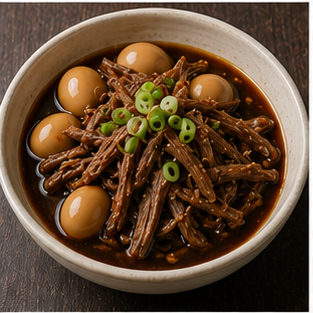
Modern jin ganjang is usually brewed or blended rather than traditionally fermented, and it is the closest of the three to Japanese soy sauce.
Use it in: jangjorim, galbi jjim, bulgogi marinade, japchae.
Can Japanese soy sauce substitute?
For jin ganjang, yes, mostly.
Kikkoman-style shoyu is slightly sweeter and less salty than jin ganjang but close enough that most dishes will work. Use the same amount and taste.
For guk ganjang, no. This is the substitution that fails. Japanese soy sauce is darker and less salty, so you get a broth that is both too dark and under-seasoned. Adding more to fix the seasoning makes the color worse.
If you have no guk ganjang and need to season a soup, the better workaround is salt plus a small spoon of doenjang — that gets you the salinity and some of the fermented depth without the color.
Tamari behaves like Japanese soy sauce here, with the same limitation.
The others you will see
맛간장 (mat ganjang) — seasoned soy sauce, pre-mixed with aromatics, sometimes sugar. Convenient, but you lose control of the sweetness. Fine for dipping, awkward in recipes that also call for sugar.
어간장 / fish sauce blends — regional and specialized. Not needed early.
If you are buying one bottle
Buy jin ganjang or a general-purpose Korean brewed soy sauce. It covers most of what a beginner cooks — marinades, stir-fries, braises.
Add guk ganjang when you start making soups regularly, which in Korean cooking happens sooner than you expect. Almost every home meal includes one.
A practical seasoning note
Korean recipes often season soups with guk ganjang and salt together rather than one or the other. The soy sauce carries fermented flavor, and salt adjusts the final salinity without adding more of that flavor.
If your soup tastes flat but salty enough, that usually means you used only salt. If it tastes muddy and too strong, you used only soy sauce.
K-Pantry tracks which of these you have and shows what you can cook right now with them. Try K-Pantry