Korean instant ramyeon is already good. That's not the question. The question is why the bowl you make at home tastes thinner than the one served at a Korean restaurant or a convenience store in Seoul, when it's the same packet.
The answer is mostly technique, and partly three or four cheap additions.
Fix the water first
This is the mistake almost everyone makes. The packet tells you to use a specific amount of water, and most people eyeball it, add too much, and end up with a diluted broth.
Use slightly less water than the package says — around 450ml instead of 550ml for a single serving. The broth should coat the noodles, not swim around them. If you're adding vegetables that release water, cut back further.
The second technique mistake is cooking the noodles too long. Pull them a minute early. They keep cooking in the hot broth on the way to the table, and Korean ramyeon is meant to have real chew.
The egg question
There are two schools, and they produce genuinely different bowls.
Cracked in whole, undisturbed — drop it in during the last minute and don't stir. You get a poached egg sitting on top, with a runny yolk to break into the broth. This is the restaurant look.
Beaten and stirred in — pour it in a thin stream while the broth is at a rolling boil, then stir once. You get silky egg ribbons throughout and a slightly thickened, cloudier broth. This is the convenience store version.
Neither is wrong. If you can't decide, the whole egg is more forgiving.
Five additions that actually matter
Ranked by how much they change the bowl relative to effort.
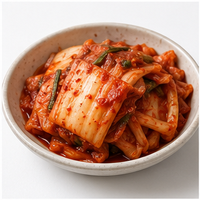
Kimchi. The single biggest upgrade. Add it early, with a spoon of its juice, so it has time to soften and release acidity into the broth. Older, more fermented kimchi works better here than fresh.
A slice of processed cheese. Sounds wrong, works completely. Lay it on top after you turn off the heat and let it melt without stirring. It rounds off the salt and cuts the heat. This is standard in Korea, not a novelty.
Green onion, added at the end. Raw, sliced thin, scattered on top. Contributes freshness that the packet has no way to provide.
A spoon of gochujang or doenjang. Half a teaspoon is enough. It adds fermented depth underneath the packet seasoning rather than more heat.
Leftover rice, at the end. Once you've eaten the noodles, tip the rice into the remaining broth. This isn't a garnish — it's the accepted second half of the meal.
Two things to skip
Don't add the whole seasoning packet if you're also adding kimchi, cheese, and gochujang. You'll end up with something aggressively salty. Use about three quarters of it when you're layering other seasoned ingredients.
Don't add raw vegetables that release a lot of water — zucchini, mushrooms, cabbage — without adjusting the liquid down. This is the most common cause of a bowl that tastes weak despite everything you added.
A combination worth trying
Less water, kimchi and its juice added at the start, noodles pulled a minute early, egg cracked in whole and left alone, heat off, cheese slice on top, green onion scattered, rice on standby.
That's about seven minutes and it does not taste like a packet of instant noodles.
Have kimchi, eggs, and not much else? K-Pantry finds Korean dishes you can actually make with what's in your kitchen right now.