If your only exposure to Korean food is fire noodle challenges on YouTube, you would be forgiven for thinking every Korean meal is an endurance test. It isn't. A large share of the Korean home cooking repertoire has no chili in it at all, and most of the dishes that do have chili can be dialed down without ruining them.
Here is the honest picture.
Only three ingredients bring real heat
Korean spiciness comes from a short list, and once you can recognize them you can predict how a dish will taste before you cook it.
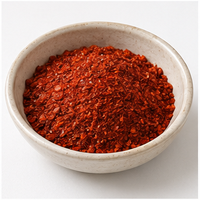
Gochugaru is coarse Korean chili flake. It is what makes kimchi red and what gives most stews their color. On its own it is fruity and moderately hot, closer to a mild ancho than to cayenne.
Gochujang is fermented chili paste. It is thick, sweet, salty, and only mildly hot on its own, because the chili is diluted by rice syrup and fermented soybean. People often assume gochujang is the spiciest thing in the kitchen. It usually isn't.
Fresh green chilies show up sliced into stews near the end of cooking. These are the wild card, since heat varies from pepper to pepper.
If a recipe has none of these three, it is not going to be spicy. That covers a lot more dishes than most beginners expect.
Dishes that are not spicy at all
These are all mainstream, everyday Korean food, not obscure exceptions.
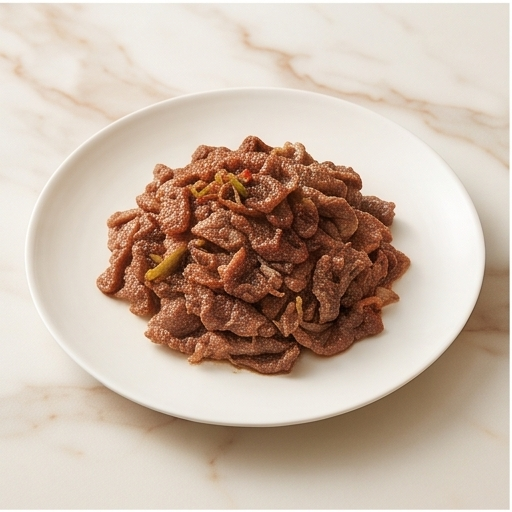
- Bulgogi — marinated beef in soy sauce, pear, garlic, and sesame oil. Sweet and savory, zero chili.
- Japchae — sweet potato noodles stir fried with vegetables and soy sauce.
- Galbitang — clear beef short rib soup. Clean and gentle.
- Gyeranjjim — steamed egg custard, soft and mild.
- Kongnamul muchim — seasoned soybean sprouts with sesame oil.
- Doenjang jjigae — soybean paste stew, savory and funky rather than hot, as long as you skip the chili flakes.
If you are cooking for someone who genuinely cannot handle chili, you can build an entire table from this list and it will still read as unmistakably Korean.
Dishes that are spicy but adjustable
Most red Korean dishes are seasoned at a specific point in the cooking process, which means you control the dose.
Kimchi jjigae gets its heat from the kimchi itself plus added gochugaru. Use kimchi that has fermented longer and skip the extra chili flakes, and it lands somewhere near a mild chili con carne.
Tteokbokki is where heat is hardest to remove, because gochujang sauce is the entire point. But you can cut the gochujang with more sugar and add a slice of cheese at the end, which is how a lot of Korean people eat it anyway.
Buldak and fire noodles are the genuine outliers. These are engineered to be extreme and are not representative of anything served at a normal dinner table.
How to lower the heat without losing the flavor
The mistake beginners make is simply using less seasoning, which leaves the dish thin and underseasoned rather than mild.
- Replace some gochugaru with sweet paprika. You keep the red color and body, lose the heat.
- Add sugar or a spoon of honey. Sweetness blunts capsaicin noticeably.
- Stir in dairy at the end — a slice of cheese in tteokbokki, a splash of milk in a cream-based ramyeon.
- Increase the soy sauce and sesame oil to carry the savory weight that the chili was providing.
- Add more broth or vegetables to dilute rather than removing seasoning outright.
Start here if you are unsure
Cook bulgogi first. It is mild, it is forgiving, it uses ingredients you can find in any supermarket, and it will tell you whether you like the Korean flavor base of soy sauce, garlic, and sesame oil before you commit to buying a tub of gochujang.
From there, doenjang jjigae is the natural next step, and kimchi jjigae after that once you know how much chili you actually want.
Not sure what you can cook with what's already in your kitchen? K-Pantry matches Korean recipes to the ingredients you have on hand, and tells you exactly what you're missing.