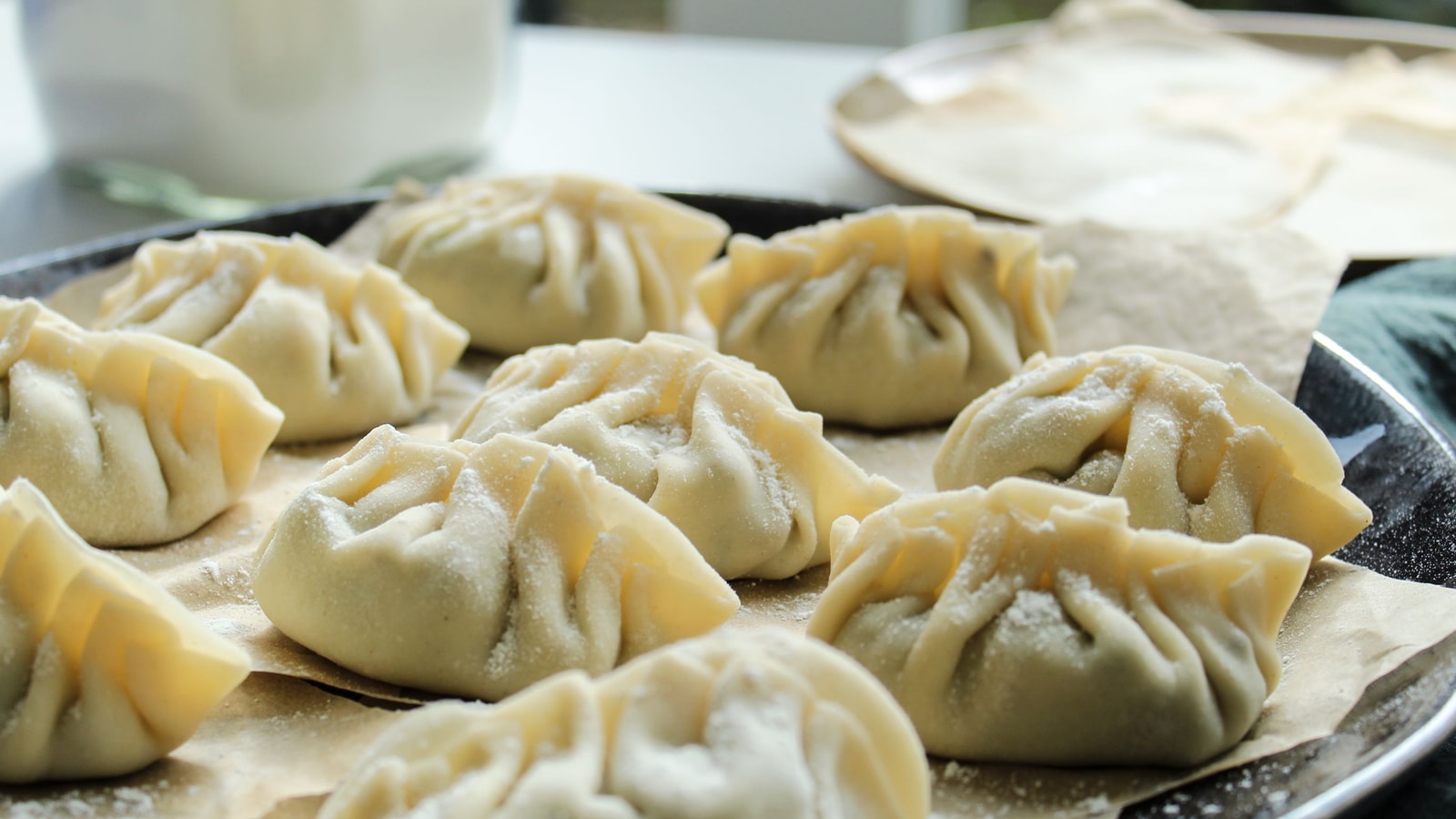
Mandu (만두) are Korean dumplings, filled with pork, tofu, glass noodles and vegetables, or with kimchi for a spicy kick. Order them steamed, pan-fried or in soup at dumpling shops, or cook frozen mandu at home in minutes.
Key Takeaways
- Main styles: steamed (찐만두), pan-fried (군만두), boiled or in soup (물만두 · 만둣국)
- Fillings: pork and vegetables (고기만두) or kimchi (김치만두)
- Price: around 5,000–9,000 KRW for a plate at a dumpling shop
- Avoid: thawing frozen mandu before cooking; cook them straight from frozen
Mandu types
| Type | Korean | How it's cooked | Best for |
|---|---|---|---|
| Steamed | 찐만두 | Steamed in a basket | Soft, juicy dumplings |
| Pan-fried | 군만두 | Fried until crispy on one side | Crunch; a common side with Korean-Chinese food |
| Boiled | 물만두 | Boiled, small and thin-skinned | A light snack |
| Dumpling soup | 만둣국 | Simmered in broth, often with rice cakes | Lunar New Year, cold days |
| Kimchi mandu | 김치만두 | Any style, filled with kimchi | A spicy, tangy kick |
| King mandu | 왕만두 | Large steamed buns | A filling snack |
Where to eat mandu
Dedicated dumpling shops (만두집) often make mandu by hand, with steamers out front. Kalguksu restaurants usually serve mandu as a side; see our kalguksu guide. Convenience stores and supermarkets sell excellent frozen mandu, and markets like Gwangjang sell steamed king mandu.
Mandu at home and on holidays
Making mandu together is a family tradition in Korea, especially before Lunar New Year, when families gather to fold dozens of dumplings for mandu-guk (dumpling soup). The filling is usually minced pork, crumbled tofu squeezed dry, chopped glass noodles, kimchi or cabbage, and green onion, seasoned with garlic, soy sauce and sesame oil.
Shapes vary by region and family. Some fold mandu into half-moons, others join the corners into round, hat-like shapes. Northern-style mandu, originally from what is now North Korea, tend to be larger with a milder, tofu-rich filling.
- Squeeze the tofu and kimchi dry so the filling doesn't make the skins soggy
- Seal the edges with water and press out air before cooking
- Freeze extras flat on a tray, then bag them once frozen so they don't stick
Dipping sauce
Mandu are dipped in a simple sauce of soy sauce and vinegar, sometimes with chili flakes or sesame seeds. Dumpling shops put it on the table, and frozen packs often include a sauce sachet. At home, mix roughly equal parts soy sauce and vinegar, then add a pinch of gochugaru or a few drops of sesame oil to taste. Pickled radish and kimchi on the side are the classic partners, and kimchi especially is cutting through the richness of pork dumplings and making a plate of mandu feel like a full meal.
고기만두 한 판이랑 김치만두 한 판 주세요.
Gogi-mandu han panirang gimchi-mandu han pan juseyo.
One plate of pork dumplings and one of kimchi dumplings, please.
찐만두로 드릴까요, 군만두로 드릴까요?
Jjin-manduro deurilkkayo, gun-manduro deurilkkayo?
Steamed or pan-fried?
찐만두로 주세요. 포장도 돼요?
Jjin-manduro juseyo. Pojangdo dwaeyo?
Steamed, please. Can I get them to go?
네, 포장해 드릴게요.
Ne, pojanghae deurilgeyo.
Sure, I'll pack them for you.
Do
- Try both pork and kimchi fillings
- Dip in soy-vinegar sauce
- Cook frozen mandu straight from the freezer
- Order mandu soup on cold days
Don't
- Thaw frozen dumplings first; they turn soggy
- Overcrowd the pan when frying
- Bite into steamed mandu straight away; the filling is very hot
- Assume all mandu are vegetarian; most contain pork
More food guides: kalguksu, Korean-Chinese food, and Gwangjang Market.
Frequently Asked Questions
What is mandu? Korean dumplings, usually filled with pork, tofu, glass noodles and vegetables, or with kimchi.
What's the difference between mandu and gyoza? They're cousins. Korean mandu often include tofu and glass noodles, and kimchi mandu are uniquely Korean.
Are mandu vegetarian? Most contain pork, but vegetable mandu (야채만두) are available in some shops and supermarkets.
How do I cook frozen mandu? Pan-fry from frozen with a little oil, then add water and cover to steam, or boil them in broth.