
In Korea, the song you cried to on Sunday night is often number one on the charts by Tuesday.
Most Western TV shows use music as background. Korean dramas treat it as a main character. A K-drama soundtrack, or OST, is written, recorded and released in stages while the show is still airing, and a single well-placed ballad can make a scene unforgettable and a singer famous. Understanding how OSTs work explains why certain melodies stick in your head long after the finale.
Key Takeaways
- OSTs are released in "parts" week by week while the drama airs
- Each part has its own artist, from idols to veteran ballad singers
- The main theme returns at every emotional peak, training you to feel on cue
- OST singers are a recognized career path in the Korean music industry
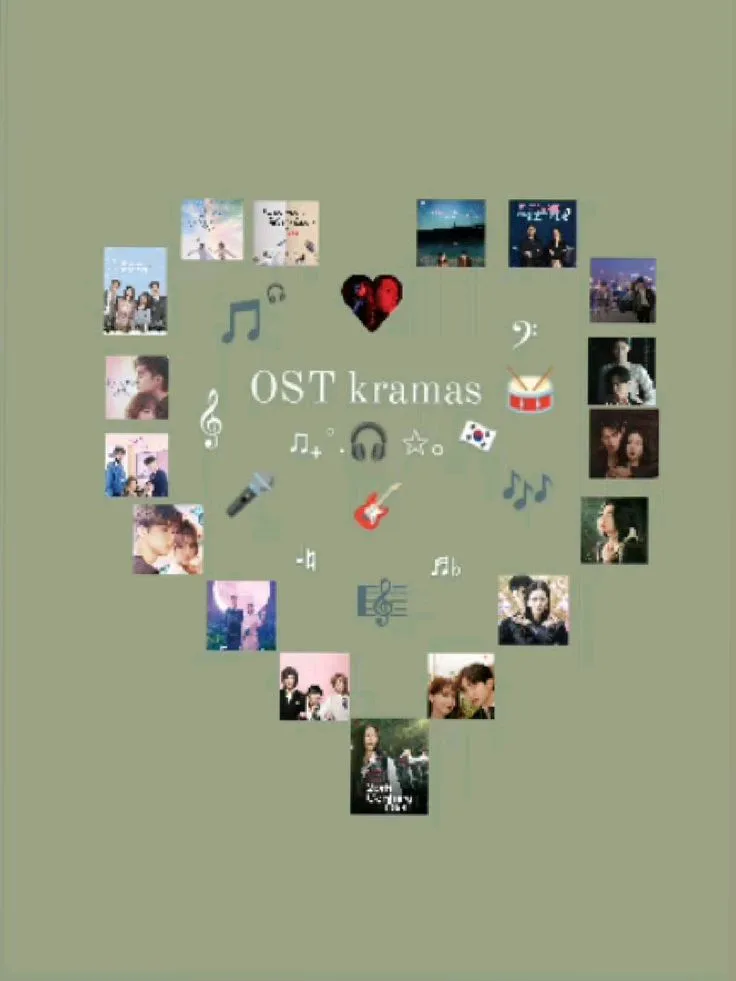
Released in parts, timed to the plot
A typical drama OST is not one album dropped on day one. It arrives as Part 1, Part 2, Part 3 and so on, each a single by a different artist, usually released online around the episodes where it first plays. Early parts tend to be bright and romantic. As the story darkens, the later parts become heavier ballads written for breakups, sacrifices and reunions.
This drip-feed keeps the show in the music charts throughout its run and gives fans a reason to search for each new track. When a drama becomes a hit, several of its parts can sit on Korean streaming charts at once, sometimes outlasting the show itself.
| OST stage | Usual mood | Typical singer |
|---|---|---|
| Early parts | Light, fluttering romance | Idol vocalists, indie duos |
| Main theme | Sweeping, memorable melody | A strong ballad voice |
| Mid-season | Longing, misunderstanding | Soloists known for emotional delivery |
| Final parts | Grief, reunion, closure | Veteran ballad singers |
| Instrumentals | Tension, comedy, quiet moments | Composer's score |
Why the ballad always lands
K-dramas are famous for bringing the main theme back at exactly the right moment: the confession in the rain, the goodbye at the airport, the hospital corridor. Because you have heard that melody at every important beat, your brain links it to the characters' feelings. By episode twelve, the first piano notes alone are enough to tighten your chest.
Korean ballads suit this perfectly. They tend to build slowly, hold back in the verse and explode in a high, sustained chorus, the same shape as a dramatic scene. Many feature the feeling Koreans call 애절함 (aejeolham), a heart-aching longing, which matches the drama's taste for love that is always just out of reach.
The OST singer as a career
In Korea, being an "OST queen" or "OST king" is a genuine title. Some vocalists are known primarily for drama soundtracks and are chosen precisely because listeners trust their voices with sad scenes. Idol singers take OST parts too, reaching a wider audience than their group's fans, while established stars use a soundtrack to reintroduce themselves.
For production companies, music is also business. A hit OST earns streaming revenue, boosts the drama's profile overseas, and drives fans to concerts and karaoke rooms. Popular drama ballads are noraebang staples, so if you visit one, expect to hear your favorite tragic scene belted out next door. Our noraebang guide explains how to find songs by title.
A soundtrack that outlives the show
Part of the OST's power is that it travels. Viewers abroad add tracks to playlists, cover them on video platforms and hum them years later without remembering every plot detail. The music becomes the emotional summary of the drama, the part you can carry with you.
So the next time a familiar piano intro starts and you reach for the tissues, know that it is not an accident. It is a carefully built system, one that turns television moments into songs a whole country can sing.
More Korean pop-culture reads: K-drama clichés decoded and K-pop concert tips at KSPO Dome.
Frequently Asked Questions
What does OST mean in K-dramas? Original soundtrack: the songs and score created for a specific drama.
Why are K-drama OSTs released in parts? Releasing singles week by week keeps the drama in the music charts while it airs and matches each song to the story's mood.
Who sings K-drama OSTs? A mix of idols, indie artists and ballad singers who specialize in soundtracks.
Can I learn Korean from OST lyrics? Yes. Slow tempos and repeated lines make ballads good for listening and pronunciation practice.