In Korea, gaming has always been a team sport you play together in the same room.
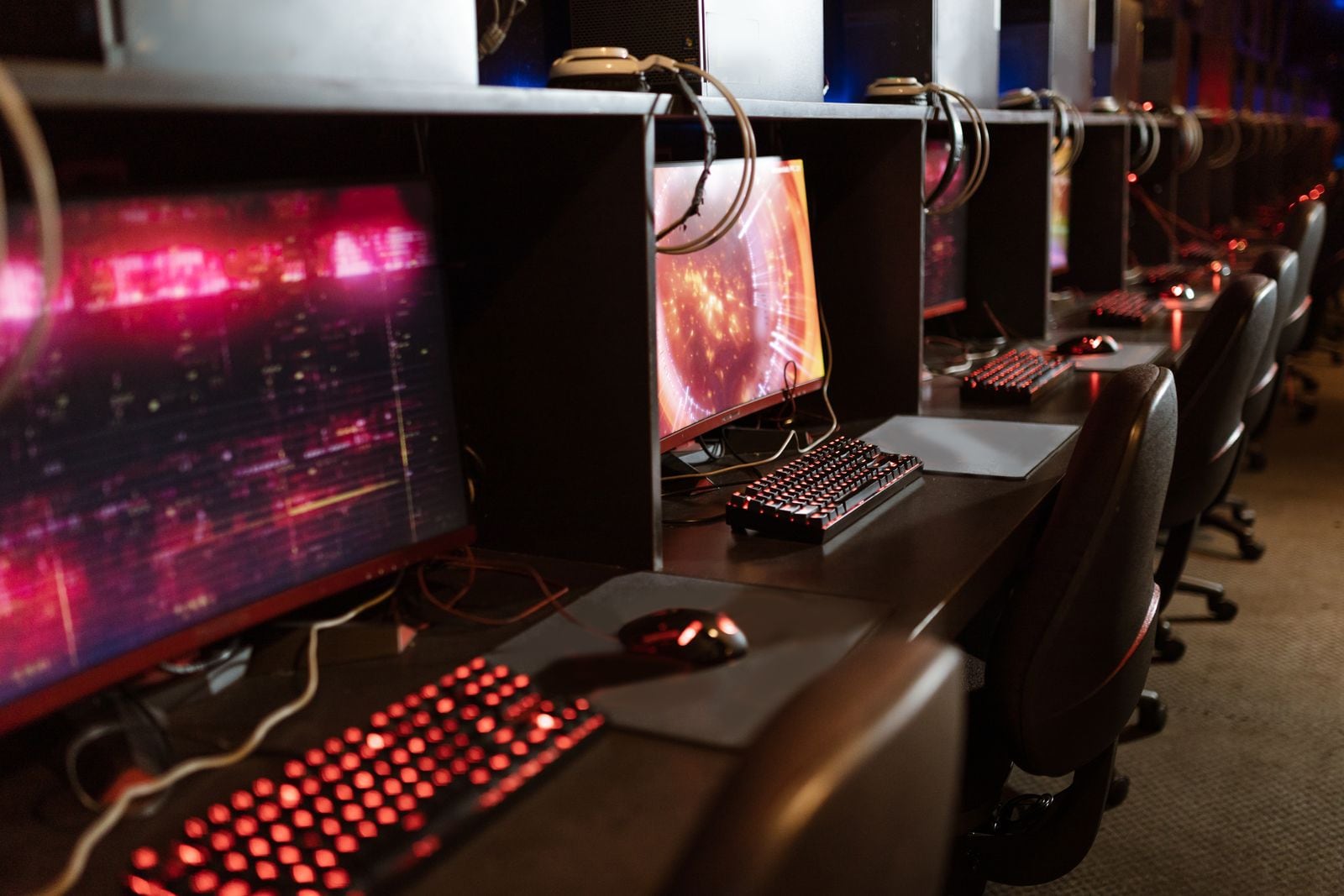
Look up from almost any busy street in Seoul and you will see a sign for a PC방 (PC bang), literally a "PC room." Inside, rows of high-end computers glow under dim lighting, players wear headsets, and a staff member is delivering a bowl of ramyeon to seat 47. PC bangs are Korea's gaming cafes, and for decades they have been where friends hang out, rivals settle scores and future esports stars learn their craft.
Key Takeaways
- PC bangs are pay-by-the-hour gaming cafes, many open 24 hours
- They boomed in the late 1990s with broadband internet and online strategy games
- You can order food to your seat, from ramyeon to fried rice
- They helped build Korea's esports culture, now followed worldwide
How PC bangs took over
PC bangs spread rapidly in the late 1990s. Korea was rolling out fast broadband, home computers were expensive, and online multiplayer games, especially real-time strategy titles, were exploding in popularity. Renting a powerful PC by the hour with friends sitting beside you was cheaper and far more fun than playing alone at home.
The result was a gaming culture built around being physically together. Teams formed at neighboring seats, local rivalries became leagues, and televised matches turned skilled players into celebrities. Many credit PC bangs with laying the foundation for Korea's position as an early esports powerhouse.
What it is like inside today
Modern PC bangs feel closer to premium lounges than smoky arcades. Expect large monitors, gaming chairs, mechanical keyboards and very fast connections. Many have couple seats, quiet zones and separate areas for heavy or casual players. Prices are usually charged per hour and are generally affordable, though they vary by location and seat type.
| PC bang feature | What to expect |
|---|---|
| Payment | Prepaid hours at a kiosk or counter, then log in at your seat |
| Membership | Often a quick sign-up with a phone number; some allow guest use |
| Food | Order from your screen; meals are brought to your seat |
| Hours | Many open 24 hours |
| Age rules | Teenagers have late-night time limits by law |
| Games | Popular titles are pre-installed and log-in ready |
Ramyeon at the keyboard
Food is a big part of the PC bang experience. Ordering from the screen at your seat brings a surprisingly full menu: instant ramyeon, tteokbokki, fried rice, hot dogs, fries and endless iced drinks. Some PC bangs are known for their cooking as much as their computers. Eating without leaving the game is both convenient and, for many Koreans, a nostalgic part of growing up.
If PC bang ramyeon made you curious, you can recreate it at home. Our instant noodle comparison explains which packets to start with, and K-Pantry can suggest dishes to make from what is already in your fridge.
More than a place to play
PC bangs are part of the wider Korean "bang" culture, rooms you rent for an activity, alongside noraebang karaoke rooms and others. They answer a common need in a dense city: space outside a small apartment where friends can gather, stay late and be loud without bothering anyone.
Even if you are not a gamer, a short visit is a window into how many Koreans grew up: shoulder to shoulder with friends, noodles cooling beside the keyboard, shouting strategies across the row. It is social life, rebuilt around a screen.
Frequently Asked Questions
What is a PC bang? A Korean gaming cafe where you rent high-performance computers by the hour, often open 24 hours.
Can tourists use PC bangs in Korea? Yes. Many allow quick sign-up or guest use, and staff can help you log in.
Can you eat at a PC bang? Yes. Most let you order meals and drinks from your seat.
Why are PC bangs important to Korean esports? They made team-based online gaming social and accessible, helping produce early professional players and audiences.