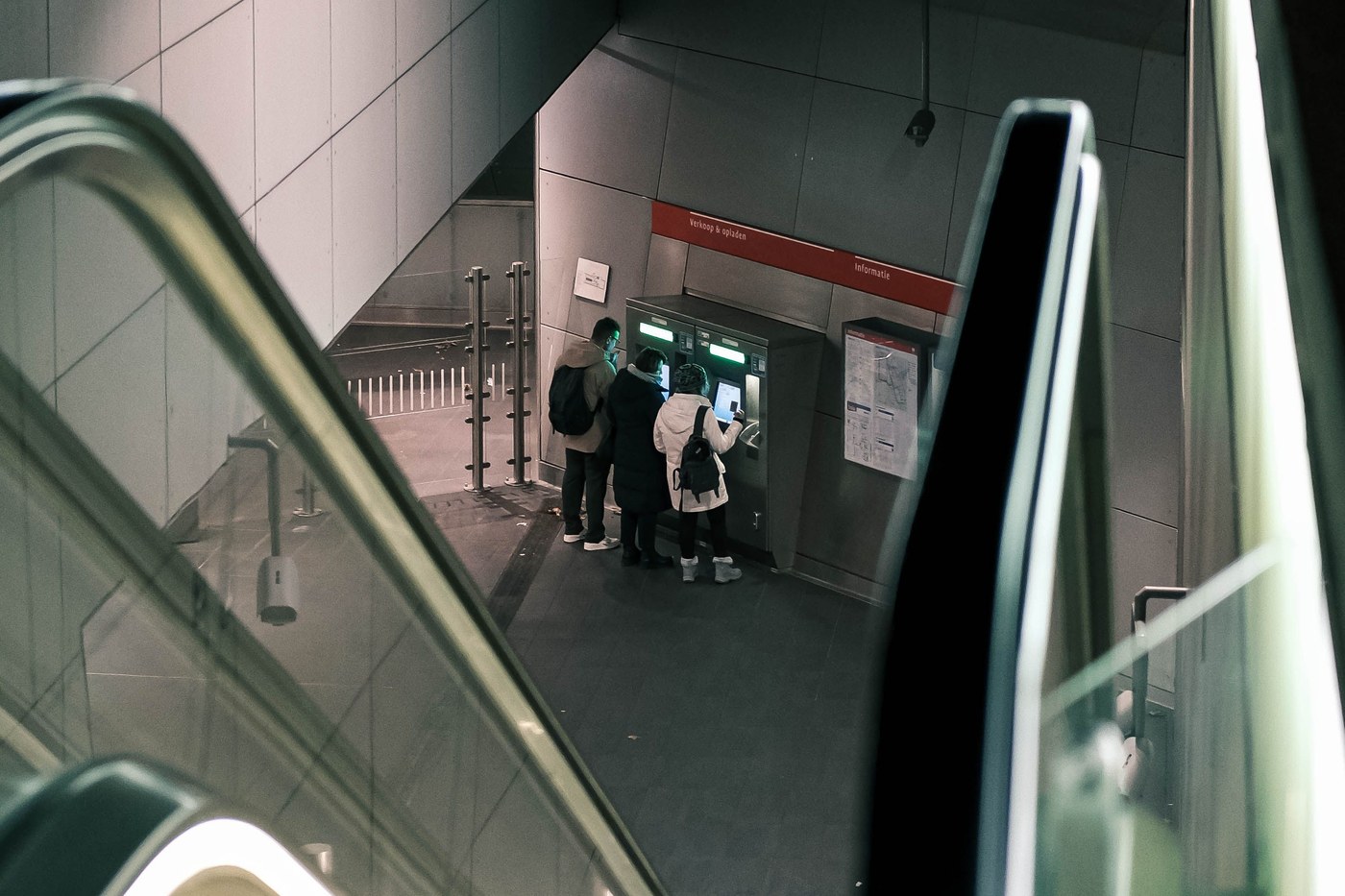
Purchasing single-journey subway tickets in Seoul is an expensive operational mistake that wastes time at refund kiosks and forfeits integrated transit discounts. Navigating the Metropolitan Seoul transit system requires understanding automated 30-minute transfer algorithms, utilizing free re-entry time buffers for incorrect gates, and selecting the optimal stored-value card for your travel density.
The 30-Minute Transfer Rule and the Single-Ticket Deficit
Seoul operates an integrated multi-modal transit fare system linking urban subway lines, regional rail, and metropolitan bus networks. Disembarking without tapping out breaks the digital transaction chain, triggering maximum base fare penalties on your subsequent boarding.

"A single-journey ticket is not merely inconvenient; it incurs a mandatory 500 KRW deposit that traps travelers in redemption queues, completely voids free transfer discounts, and charges premium single-trip base rates."
- Integrated Transfer Grace Period: Passengers receive up to four free or deeply discounted transfers across bus and subway networks within a 30-minute window (extended to 60 minutes between 21:00 and 07:00).
- Mandatory Egress Tapping: You must tap your card against the sensor when exiting buses and subway stations. Failing to tap out voids the transfer sequence and charges distance-based penalty fares upon the next journey.
- The Single-Journey Trap: Plastic single-use metro cards require purchasing a separate fare at ticket vending machines and physically returning the card to a deposit refund machine at your destination to retrieve 500 KRW in cash.
Transit Pass Comparison: T-money vs Climate Card
Choosing between a classic stored-value transit card and Seoul's unlimited transit pass depends on daily trip volume and geographical travel boundaries.
| Operational Feature | Standard T-money Card | Seoul Climate Card (Tourist Pass) |
|---|---|---|
| Pricing Structure | Pay-per-ride: 4,000 KRW card fee + prepaid balance | Flat rate: 1-Day (5,000 KRW) to 5-Day (15,000 KRW) |
| Geographic Coverage | Nationwide (Seoul, Busan, Jeju, AREX Express, Taxis) | Strictly Seoul Municipal Boundaries |
| Airport Rail (AREX) | Valid on All-Stop and Non-Stop trains | All-Stop valid only within Seoul; Gimpo Airport included, Incheon Airport excluded |
| Break-Even Threshold | Best for light transit users (1–3 trips per day) | Best for heavy transit users (4+ metro/bus rides per day) |
| Reload Method | Cash KRW at convenience stores or metro kiosks | Cash KRW at designated metro station kiosks |
3-Step Protocol for Flawless Metro Navigation
Follow this sequence to correct platform routing errors, secure transfer benefits, and streamline station transit.
- Step 1: Purchase and Pre-Load a Physical Transit Card at the Airport Immediately upon clearing customs at Incheon (ICN) or Gimpo (GMP) airport, buy a physical T-money card or short-term Tourist Climate Card from an airport convenience store. Use the adjacent automated transit card reloader inside the station to charge at least 20,000 KRW in physical cash notes, as international payment cards are not accepted by standard top-up terminals.
- Step 2: Correct Wrong-Direction Gate Entries Without Paying Double If you tap into a turnstile only to discover the platform serves the opposite travel direction, do not panic or jump the barrier. Tap your card through the exit turnstile and re-tap into the opposing gate within 15 minutes at the same station; the system recognizes the transfer turnaround and charges zero additional fare (valid once per journey on standard metro lines).

- Step 3: Maintain the Sequential Tap-Out Habit on Buses When utilizing public buses to connect to metro stations, always tap your card against the reader next to the rear exit doors right before your stop. This action registers your off-boarding timestamp into the central transit server, activating the 30-minute countdown clock for your subsequent free subway or bus transfer.