You bought a tub of gochujang for one recipe six months ago. It's still in the fridge, it's gone darker, and you're not sure whether that's a problem.
Here's what actually happens to Korean pantry staples over time, and when to worry.
Fermented pastes: much longer than you think
Gochujang keeps for one to two years refrigerated after opening, and it doesn't so much spoil as change. It darkens, deepens in flavor, and gets saltier as moisture evaporates. All of that is normal.
What to watch for: fuzzy mold on the surface, or a sharp alcohol smell. Neither is common if you keep it covered and use a clean spoon. A thin white film is usually harmless surface yeast, but scraping it off and using the rest is a judgment call.
Store it in the fridge after opening, even though it's shelf-stable unopened.
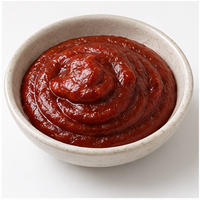
Doenjang is similar and arguably even more durable — two years or more. Traditional Korean doenjang was aged for years by design. Darkening is expected.
Ssamjang is shorter, around six months to a year, because it's mixed with other ingredients like sesame oil and garlic.
Gochugaru: the one that actually degrades
Chili flake doesn't spoil, but it loses color and aroma within about six months at room temperature, and that's the whole point of it.
Keep it in the freezer. Korean households routinely do this. It stops the red from fading to brown and preserves the fruity aroma. It doesn't clump if it's dry when it goes in, and you can use it straight from frozen.
If yours has gone brownish and smells like dust, it will make dull food. Replace it.
Kimchi: it doesn't expire, it changes
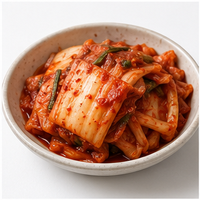
Kimchi keeps fermenting indefinitely in the fridge. There isn't a point at which it becomes unsafe under normal storage. What changes is what it's good for.
- Week one to two — crisp, mildly sour. Best eaten as a side dish.
- One to two months — noticeably sour, softer. Still fine fresh, and now good for cooking.
- Three months and beyond — quite sour, soft. This is the good stuff for kimchi jjigae, kimchi fried rice, and kimchi pancakes.
Keep it submerged in its own liquid and press it down after taking some out. Exposure to air is what causes surface mold.
Discard if you see fuzzy colored mold, or if it smells genuinely rotten rather than sour. Sour and pungent is expected; putrid isn't.
The rest, briefly
| Item | Storage | Roughly how long |
|---|---|---|
| Soy sauce (opened) | Fridge or cool cupboard | 1–2 years |
| Sesame oil | Cool, dark cupboard | 6–12 months, goes rancid |
| Dried anchovies | Freezer | 6 months+ |
| Dried kelp | Airtight cupboard | 1 year+ |
| Rice cakes (tteok) | Freezer | 3 months |
| Sweet potato noodles | Cupboard | 2 years |
| Perilla oil | Fridge | 3–6 months, rancid quickly |
Sesame oil and perilla oil are the two that genuinely go bad rather than just fading. If either smells sharp or like old crayons, it's rancid. Perilla oil is especially fragile and belongs in the fridge.
The practical takeaway
The pastes will almost certainly outlast your interest in them, so buying a tub for one recipe isn't a waste. The things to actually keep an eye on are the oils and the chili flake — the two that quietly lose quality without ever looking spoiled.
Not sure what to cook with what's still good? K-Pantry matches Korean recipes to the ingredients you already have on hand.