Two small bottles, similar labels, similar amber color, similar price. One is 참기름 (chamgireum, toasted sesame oil) and the other is 들기름 (deulgireum, perilla oil).
Most English recipes only mention sesame oil, so perilla oil goes unbought and a lot of Korean side dishes end up tasting almost but not quite right.
What they are
| 참기름 Sesame | 들기름 Perilla | |
|---|---|---|
| From | Toasted sesame seeds | Perilla seeds (들깨) |
| Flavor | Nutty, roasted, round | Grassy, herbal, slightly bitter edge |
| Color | Deep amber | Lighter, greenish-gold |
| Shelf life | Months | Weeks after opening |
| Storage | Cool cupboard is acceptable | Refrigerate |
Perilla is not shiso, though the plants are related. Korean perilla leaves (깻잎) and Japanese shiso taste noticeably different, and the oil comes from the seed rather than the leaf.
Both are finishing oils
This is the mistake that matters more than choosing between them.
Neither of these is a cooking oil. Both are aromatic oils added off the heat, at the end, usually by the teaspoon. Heating them hard destroys the aroma you paid for and, in perilla's case, turns it bitter.
If a recipe says to stir-fry in sesame oil, it usually means a neutral oil with a little sesame oil added at the finish. Korean home cooking uses ordinary vegetable oil for the actual frying.
Where sesame oil goes
It is the default. Bibimbap, most namul, marinades, dipping sauces, a drizzle over rice, seasoning for gim.
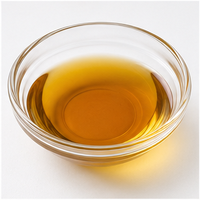
A useful mental note: sesame oil is what makes food read as Korean rather than generically East Asian. It is used more liberally than in Chinese cooking and more often than in Japanese.
Buy small bottles. It keeps well but the aroma fades once opened, and a large bottle will go flat before you finish it.
Where perilla oil goes
Perilla is the specialist, and in the dishes it belongs to it is not really replaceable.
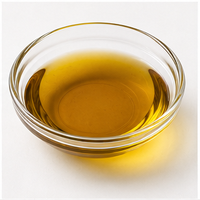
- Namul made from stronger greens — 취나물, 고사리, dried vegetable dishes
- Roasting gim (seaweed sheets) — brushed on before toasting with salt
- 들깨 dishes — perilla seed stews and soups, where the oil reinforces the ground seed
- Buckwheat noodles and some cold dishes
If you have eaten a Korean vegetable side dish that tasted herbal in a way you could not place, it was probably perilla oil.
The rancidity problem
Perilla oil has a high proportion of unsaturated fat, which is why it goes off much faster than sesame oil. Left in a cupboard, an opened bottle can turn within a couple of months.
Rancid perilla oil smells like old paint or crayons rather than grass. It is unpleasant enough that you will notice, but people often assume that is just what the oil tastes like and stop buying it.
Refrigerate it after opening. Buy the smallest bottle available. Check the production date rather than the expiry.
Can you substitute one for the other?
Functionally yes, in that both are aromatic finishing oils. Flavor-wise, they are clearly different.
Using sesame oil where perilla is called for gives you a dish that works but tastes more conventional. Using perilla where sesame is called for is more noticeable — the grassy note stands out in sweet or meat-based dishes.
If you own one, own sesame oil. Add perilla when you start making vegetable side dishes regularly.
A note on buying
Korean pressed sesame oil (often labeled 참기름 100%) is stronger than the blended sesame oils sold in general supermarkets, some of which are mostly soybean oil with sesame added for flavor. Check the ingredient list — it should say one thing.
The difference is easy to taste side by side and easy to miss otherwise.
K-Pantry keeps track of which of these you have and shows what they unlock. Try K-Pantry