If you've eaten Korean barbecue, you've probably wrapped meat in a large, jagged-edged green leaf that tasted like nothing else you've had. That's kkaennip — perilla leaf — and it's one of the ingredients people miss most when they can't source it.
What it actually tastes like
Perilla is in the mint family, and you can tell, but the flavor goes in an unexpected direction. It's aromatic and slightly anise-like, with a mild bitterness and something close to the smell of licorice or basil, but earthier than either.
The leaves are large, round, deeply veined, and softly fuzzy. They're sturdy enough to wrap food without tearing, which is a large part of why they're used the way they are.
It's a strong flavor. People rarely feel neutral about it.
Perilla is not shiso
This confusion is everywhere, including on grocery store labels.
Korean perilla (Perilla frutescens var. frutescens) and Japanese shiso (Perilla frutescens var. crispa) are different varieties of the same species. They're related, but they don't taste the same.
- Korean perilla — large, round, flat-edged, soft. Anise and licorice notes. Milder.
- Japanese shiso — smaller, pointed, serrated, firmer. Sharper, more like cinnamon and citrus.
Shiso is the closest available substitute, but if you use it expecting perilla you'll notice immediately. Green shiso is closer than red.
Where it's used
As a wrap (ssam). The classic use. Grilled pork belly, a smear of ssamjang, a slice of raw garlic, all wrapped in a perilla leaf. The leaf's bitterness cuts through the fat, which is precisely the point.
Pickled (kkaennip jangajji). Layered with soy sauce, garlic, and chili, then eaten a leaf at a time with rice. Keeps for weeks and is intensely flavored.
In stews. Added near the end of spicy stews and seafood dishes, where it perfumes the broth.
Battered and fried (jeon). Stuffed with seasoned meat, dipped in egg and flour, pan fried.
Substitutes, ranked honestly
None of these are equivalent. Here's how close each gets.
Shiso — closest by a wide margin, since it's the same species. Available at Japanese grocers and increasingly in mainstream stores. Use slightly less, since it's stronger.
Sesame leaf — sometimes sold under this name, and confusingly, this is often just perilla mislabeled. Worth checking, because you may already have found it.
Thai basil — shares the anise note. The texture is wrong for wrapping, but for adding to a stew at the end it works acceptably.
Butter lettuce or red leaf lettuce — for wrapping purposes only. You lose the flavor entirely but keep the function. Korean barbecue is usually served with lettuce alongside perilla anyway, so this isn't as much of a compromise as it sounds.
Mint — often suggested online. Don't. The flavor pulls in an entirely different direction and it will make the dish taste wrong.
The easiest solution: grow it
Perilla grows aggressively from seed, tolerates pots, and is genuinely hard to kill. Seeds are cheap and available online. One plant produces more leaves than a household can use, and it self-seeds if you let it.
This is what a lot of Korean families abroad do, and it's the only way to get the real thing consistently if you don't live near a Korean grocer.
And perilla oil, briefly
Perilla oil (deulgireum) is pressed from the seeds, not the leaves, and tastes nothing like the leaf — nutty, rich, and used to season vegetable side dishes. It goes rancid quickly, so keep it in the fridge and buy small bottles.
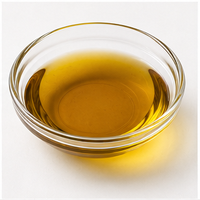
It is not interchangeable with sesame oil, though the two are used in similar ways.
Missing an ingredient for a recipe? K-Pantry tells you what you can cook with what you have, and which substitutions actually work.