Kimchi, cooked rice, and eggs. If you have those three, you can already make several Korean meals without another trip to the store.
This is worth knowing because Korean recipes usually read as though you need a full pantry. Most weeknight Korean home cooking does not.
What the three cover on their own
Kimchi fried rice (김치볶음밥) — the obvious one, and the best use of sour kimchi.
Rice with a fried egg and kimchi — barely a recipe, but it is a real meal in Korea. Runny yolk stirred through hot rice, kimchi on the side.
Kimchi jeon-ish pancake — works with flour, but egg alone binds a thin one.
Bokkeumbap variations — rice fried with kimchi juice, no other seasoning needed.
The technique that matters
Most kimchi fried rice made outside Korea goes wrong in the same way: everything goes into the pan at once and comes out wet and pink rather than concentrated and deep red.
The order fixes it.
- Oil, then kimchi alone. Medium-high heat. Cook the kimchi by itself for three or four minutes until the edges darken and it stops smelling raw. This is the step people skip and it is where the flavor comes from.
- Add the kimchi juice and let it reduce for a minute. The pan should look almost dry.
- Then the rice. Break it up, coat it, keep it moving.
- Sesame oil off the heat, egg on top.

Cold day-old rice works better than fresh — fresh rice steams and clumps.
Two small things Korean cooks do
A pinch of sugar. Sour kimchi is sharp, and a small amount of sugar rounds it without making the dish sweet. Half a teaspoon for two servings.
Butter at the end. Common in Korea, and it does something sesame oil does not — it softens the acidity and makes the whole thing taste richer. A teaspoon is enough.
What one more ingredient unlocks
This is the useful way to think about a thin pantry.
| Add | You can now make |
|---|---|
| Tofu | Kimchi jjigae, kimchi tofu (두부김치) |
| Pork belly or bacon | Proper kimchi fried rice, kimchi jjigae with depth |
| Gochujang | Bibimbap-style rice bowl |
| Flour | Kimchi pancake (김치전) |
| Spam or canned tuna | Two of the most-cooked Korean home versions of fried rice |
| Gim (seaweed sheets) | Kimchi gimbap, or crumbled over rice |
None of these is expensive, and each opens several dishes rather than one.
Kimchi jjigae with almost nothing
If you have kimchi, rice, and one protein, kimchi jjigae is more forgiving than its reputation suggests.
Sour kimchi, a little of its juice, water or stock, and pork or tofu. Simmer twenty minutes. That is the whole dish. Gochugaru if you want it redder, a spoon of gochujang if you want it thicker and sweeter — both optional.
The common failure is using fresh kimchi, which produces a stew that tastes like hot cabbage water. Sour kimchi is the requirement.
Eggs, the Korean way
A few uses beyond frying:
- Gyeran-mari (계란말이) — rolled omelette, usually with chopped vegetables. A standard lunchbox item.
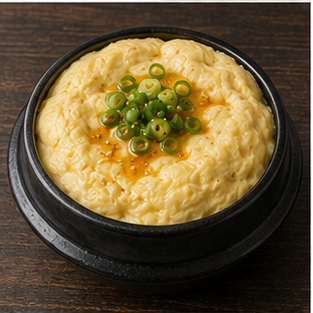
- Gyeran-jjim (계란찜) — steamed egg, soft and savory, made with stock if you have it
- Half-boiled on rice — the way most Koreans actually eat eggs at home
The point
Most people underestimate what is already in their kitchen and overestimate what a Korean recipe requires. Starting from what you have rather than from a recipe list is usually the faster way in.
That is the idea K-Pantry is built on — tell it what is in your fridge, and it shows what you can cook now and what one more ingredient would add. Try K-Pantry