Most "easy Korean recipes" lists assume you already own six fermented pastes and know what soup soy sauce is. These five don't. They're ordered from least to most demanding, and each one teaches something you'll reuse.
1. Gyeranjjim (steamed egg)
Why start here: four ingredients, ten minutes, almost impossible to ruin.
Beat three eggs with about 150ml of water or stock and a pinch of salt. Pour into a small pot, cook over low heat while stirring gently until it starts to set, then cover and steam for three minutes until puffed and custardy. Scatter green onion on top.
What it teaches: how much gentler Korean egg dishes are than you'd expect, and how far a small amount of sesame oil goes as a finish.
2. Kongnamul muchim (seasoned soybean sprouts)
Why it's here: this single method covers roughly half of all Korean vegetable side dishes.
Boil soybean sprouts for five minutes with the lid on — important, since lifting the lid partway through makes them smell grassy. Drain, cool, and toss with minced garlic, sesame oil, salt, and toasted sesame seeds.
What it teaches: the blanch-squeeze-season template. Swap in spinach, zucchini, or cucumber and the method barely changes.
3. Bulgogi
Why it's here: the most crowd-pleasing Korean dish, and every ingredient is in a normal supermarket.
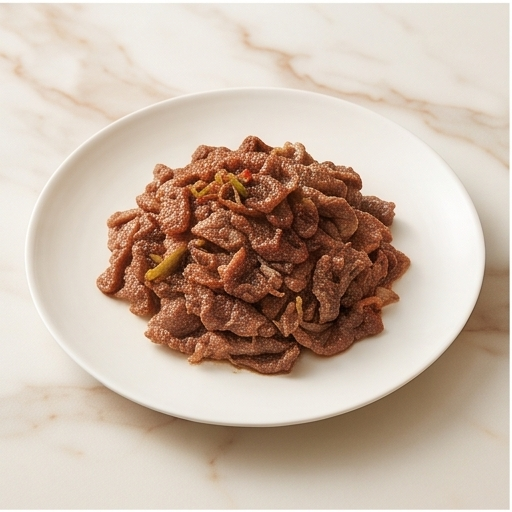
Marinate thinly sliced beef in soy sauce, sugar, grated pear or apple, minced garlic, sesame oil, and black pepper for at least thirty minutes. Sear in a hot pan in batches, not all at once.
What it teaches: the soy-garlic-sesame-sweet base that underpins an enormous amount of Korean cooking. Cook this once and a lot of other recipes stop looking unfamiliar.
4. Kimchi fried rice
Why it's here: it's the best use for kimchi that's gone too sour to eat plain, and it's a complete meal in fifteen minutes.
Chop a cup of well-fermented kimchi and fry it in oil for three or four minutes until it darkens. Add day-old cold rice, break it up, and stir in a spoon of gochujang and a splash of the kimchi juice. Fry until the rice picks up color. Fried egg on top.
What it teaches: that frying kimchi before adding anything else transforms it. This step shows up in kimchi jjigae and kimchi pancakes too.
5. Doenjang jjigae
Why it's last: it needs one specialty ingredient, but it's the most genuinely everyday Korean dish on this list.
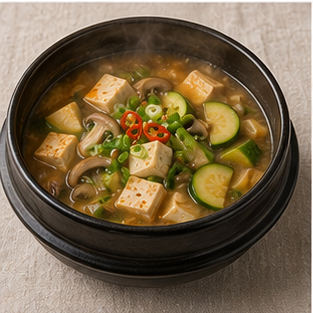
Simmer chunks of onion and potato in about 500ml of water. Dissolve two heaped tablespoons of doenjang into it. Add zucchini, mushrooms, and cubed tofu. Simmer another five minutes. Green onion at the end.
What it teaches: the fermented soybean flavor that runs underneath so much Korean food, and how a stew is built in layers rather than all at once.
What to buy before you start
For the first three dishes, nothing you don't already have except sesame oil and toasted sesame seeds.
For the last two, one tub of gochujang and one of doenjang. Both keep for a year or more in the fridge, so buying them for a single recipe isn't a waste.
A realistic first week
Make gyeranjjim and kongnamul muchim on the same evening — together they take twenty minutes and give you a rice-plus-two-sides meal. Do bulgogi on a weekend when you're less rushed. Keep kimchi fried rice in reserve for a night when there's nothing in the fridge.
That's a functioning Korean cooking rotation, built from five recipes.
Wondering which of these you could make tonight? K-Pantry checks the ingredients you have and tells you what's ready to cook, and what's one item away.