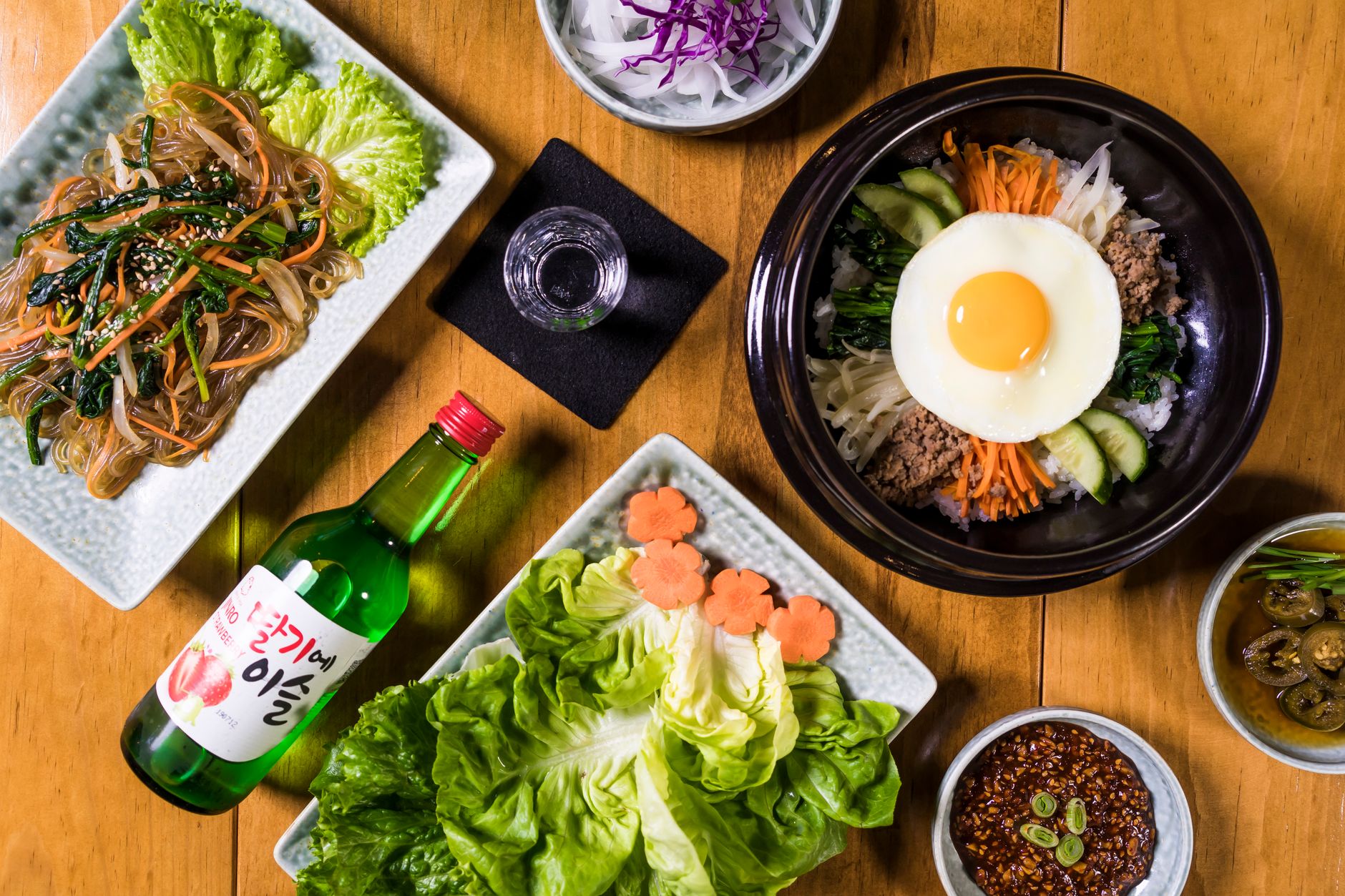
Japchae is a quintessential Korean dish consisting of sweet potato starch noodles stir-fried with thinly sliced vegetables, meat, and a savory-sweet soy sauce glaze. Its defining characteristic is the "chewy" texture of the dangmyeon (glass noodles), which remain resilient even when tossed with various ingredients.
The Origins and Culinary Character of Japchae
Originally, japchae was a vegetable-only dish served at the royal court during the Joseon Dynasty. It was not until the 20th century that the now-iconic sweet potato starch noodles were added to the mix. Today, it serves as a centerpiece at weddings, birthdays, and the Chuseok or Seollal holidays.
The flavor profile relies on the balance between sesame oil, soy sauce, and a touch of sugar or syrup. Because the noodles are made from starch, they are naturally gluten-free and have a translucent, rubbery, yet pleasant bite that absorbs the seasoning perfectly. The dish is celebrated for its visual appeal, as the vibrant colors of the vegetables—carrots, spinach, mushrooms, and onions—contrast against the dark, glossy noodles.
"The secret to a great japchae is not just the seasoning, but the individual preparation of each ingredient. Vegetables are sautéed separately to maintain their distinct colors and textures before being unified with the noodles."
Flavor Profile and Ingredient Roles
| Ingredient | Role | Flavor Contribution |
|---|---|---|
| Dangmyeon | Base | Neutral, chewy, absorbent |
| Soy Sauce | Seasoning | Salty, umami base |
| Sesame Oil | Finishing | Nutty, fragrant, rich |
| Spinach | Texture | Earthy, soft, vibrant green |
| Carrots | Texture | Sweet, crunchy, bright orange |
| Beef | Protein | Savory, hearty, tender |
| Wood Ear Mushroom | Texture | Crunchy, earthy, absorbent |
How to Enjoy and Order Japchae
In Korea, you will encounter japchae in three distinct settings: as a banchan (side dish) in a standard restaurant, as a main course in a specialized bunsik (snack) shop, or as a pre-made refrigerated item in convenience stores.
The Ordering Process
If you are dining at a restaurant and want to try high-quality japchae, follow these steps:
- Check the Menu: Look for "잡채" (Japchae) under the side dishes or specialty menu. If you are at a standard Korean BBQ restaurant, it is often served as a complimentary side dish. If you are at a bunsik shop, it may be served as a "Japchae-bap" (japchae over rice).
- Specify Dietary Needs: If you are vegetarian, ask if the dish contains beef. Use the phrase: "고기 빼주세요" (gogi ppaejuseyo - please leave out the meat). Always verify if the sauce contains oyster sauce or fish sauce, as some modern recipes use these for extra depth.
- Request Freshness: If you are at a local market, look for stalls where they are stir-frying the noodles in a large wok. Japchae is best when served warm, though it is traditionally eaten at room temperature. A good indicator of quality is the sheen on the noodles; they should look glossy and well-coated, not dry or clumped.
Preparing Japchae at Home: A Three-Step Guide
Making authentic japchae requires patience, as the components are cooked individually to prevent them from becoming soggy or losing their color.
Step 1: Prepare the Noodles Boil the dangmyeon in water for approximately 6–8 minutes until they are soft but still firm to the bite. Drain them immediately and rinse under cold running water to stop the cooking process and remove excess starch. Cut the long strands with kitchen shears to make them easier to mix and eat. If the noodles are too long, they become difficult to stir-fry and serve.
Step 2: Sauté the Components In a frying pan, sauté julienned carrots, onions, mushrooms, and spinach separately. Season each vegetable lightly with a pinch of salt. If using beef, marinate it in a mixture of soy sauce, minced garlic, and sugar before stir-frying it until fully cooked. Sautéing separately ensures the spinach stays bright green and the carrots retain their crunch rather than turning into a mushy mixture.
Step 3: Combine and Season Place the drained noodles into a large mixing bowl. Add the cooked vegetables and meat. Drizzle with a generous amount of toasted sesame oil, soy sauce, and a sprinkle of toasted sesame seeds. Use clean plastic gloves to mix everything by hand, ensuring the noodles are evenly coated in the sauce. The heat from the freshly cooked vegetables will help the noodles absorb the seasoning.
Common Mistakes and Etiquette
- Overcooking the Noodles: The most common error is boiling the noodles until they are mushy. They should be "al dente." If they lose their chewiness, the dish loses its character.
- Not Rinsing: Failing to rinse the noodles in cold water leaves excess starch on the surface, which causes the noodles to clump together into a solid block.
- Improper Storage: If you have leftovers, do not store them in the freezer. The texture of the noodles will degrade significantly, becoming brittle and losing their elasticity. Keep them in the refrigerator for no more than 2–3 days and reheat them briefly in a pan with a splash of water and a drop of fresh sesame oil.
- Mixing Everything at Once: Do not dump all raw vegetables into the pan at the same time. Different vegetables have different cooking times; carrots take longer to soften than spinach, and adding them together leads to uneven textures.
- Dining Etiquette: When eating japchae as a side dish, use your chopsticks to pick up a small portion and place it on your rice bowl or directly into your mouth. Do not use your spoon to mix it into your rice unless you are specifically eating "Japchae-bap."
Must-Know Korean Phrases
Use these phrases to navigate ordering or discussing the dish:
- 잡채 하나 주세요 (Japchae hana juseyo) — "Please give me one order of japchae."
- 고기 들어갔나요? (Gogi deureogannayo?) — "Does this contain meat?"
- 맛있어요 (Masisseoyo) — "It is delicious."
- 참기름 좀 더 넣어주세요 (Chamgireum jom deo neoeojuseyo) — "Please add a bit more sesame oil."
- 고기 빼주세요 (Gogi ppaejuseyo) — "Please leave out the meat."
Frequently Asked Questions
Is japchae served hot or cold? Japchae is traditionally served at room temperature. While it is often stir-fried hot, it is meant to be enjoyed once the ingredients have settled, allowing the flavors to meld. If you order it at a restaurant, expect it to be warm, but not piping hot like a soup.
Is it safe for vegetarians? Not always. Traditional japchae often includes thinly sliced beef. Always ask if it contains meat (gogi) before ordering. Additionally, some versions may use oyster sauce or beef broth for seasoning, so if you are strictly vegetarian, clarify if the seasoning is plant-based.
Why are the noodles so chewy? The noodles are made from sweet potato starch, which has a high amylose content. This starch creates a texture that is much more resilient and elastic than wheat-based pasta, allowing it to withstand the stir-frying process without breaking down.
Pro Tips: Mistakes to Avoid and How to Save
- Avoid the "Convenience Store Trap": While ready-made japchae in convenience stores is cheap, it often relies on heavy preservatives and excessive sugar. If you are in a city, seek out a local banchan shop (banchan-gage) instead; they sell fresh, house-made japchae by the container for a similar price, often with much higher quality ingredients.
- The Sesame Oil Rule: If you are cooking at home, do not skimp on the sesame oil. It is the defining aromatic of the dish. Buy a high-quality, dark-roasted Korean sesame oil rather than a generic supermarket brand to achieve the authentic nutty aroma found in restaurants.
- Save Time with Pre-cut Vegetables: If you are intimidated by the prep work, purchase pre-cut vegetable strips from a local supermarket. This significantly reduces the time spent in the kitchen, as the most labor-intensive part of japchae is the julienning of the vegetables.
- Use Scissors for Portions: If you are serving japchae at a party, keep a pair of clean kitchen shears nearby. Because the noodles are long, they can be difficult to manage; cutting them into shorter lengths makes it much easier for guests to serve themselves without creating a mess.