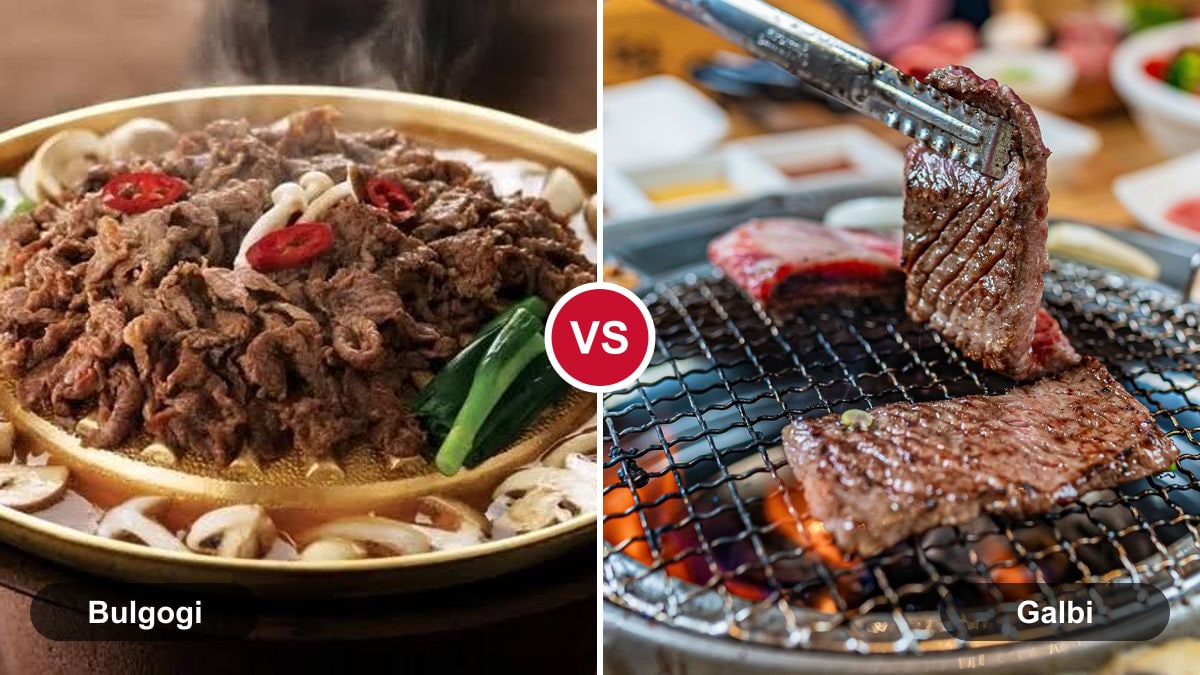
Bulgogi is thinly sliced, tenderized beef marinated in a sweet soy-based sauce, while Galbi consists of thicker, bone-in beef short ribs marinated in a richer, deeper flavor profile. If you prefer a quick, melt-in-your-mouth texture that is easy to eat, choose Bulgogi; if you prefer the tactile experience of grilling meat off the bone with a more intense savory depth, choose Galbi.
Understanding the Cuts and Preparation
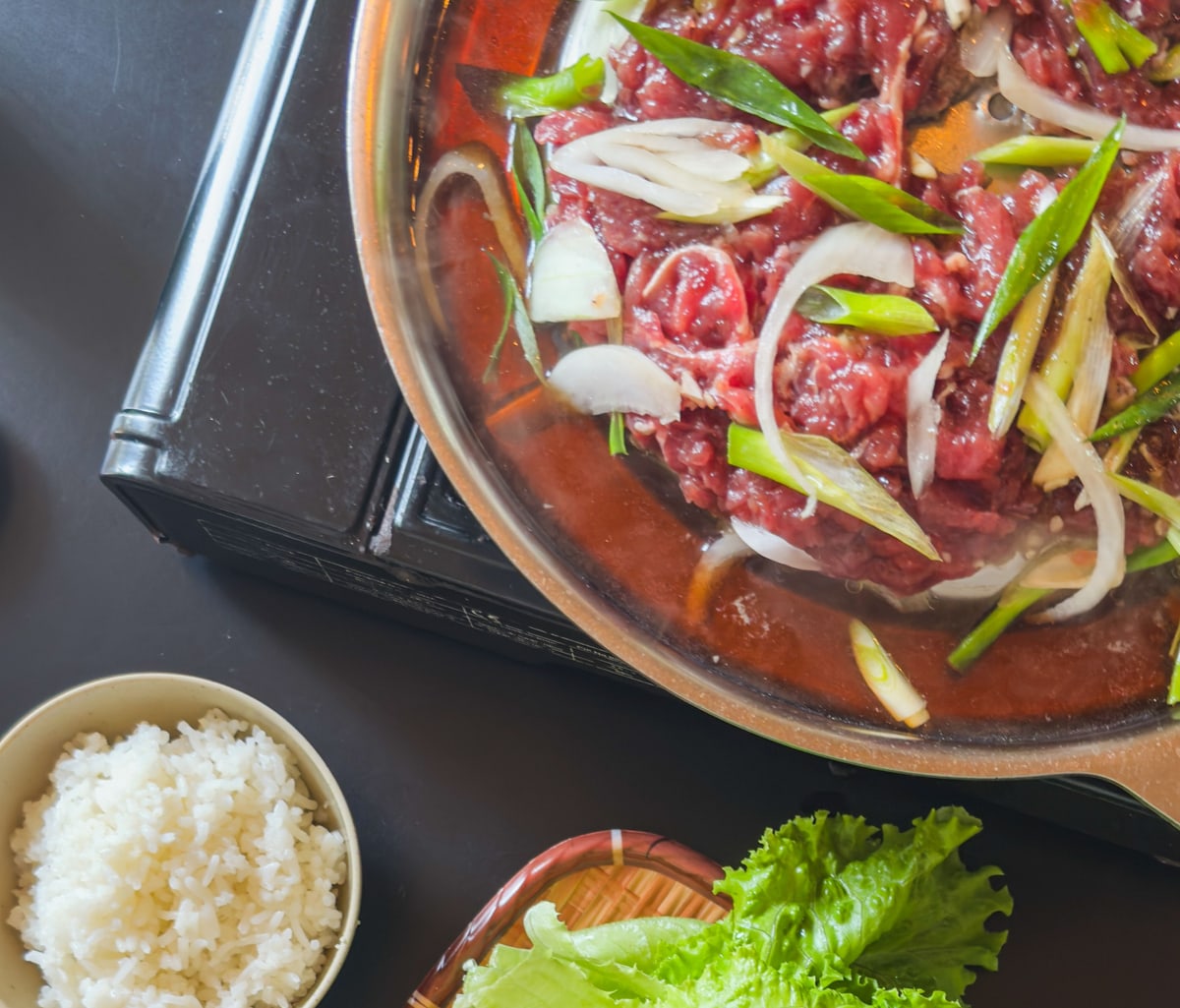
The primary distinction between these two dishes lies in the cut of the meat and the intended cooking method. Bulgogi, translating literally to "fire meat," uses thin slices of sirloin or tenderloin. Because the meat is shaved so thinly, it absorbs the marinade rapidly and cooks in mere minutes, often served in a slightly soupy, stir-fry style or grilled on a specialized dome-shaped plate. This preparation ensures the beef stays exceptionally soft, making it a favorite for children and the elderly.
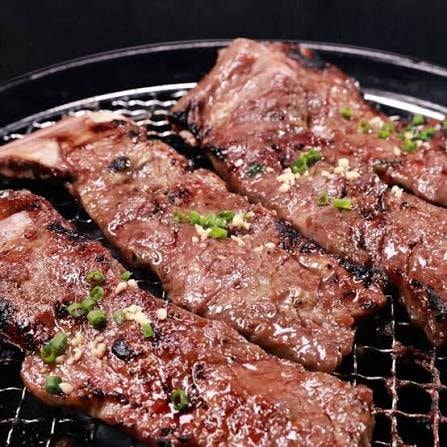
Galbi, meaning "rib," focuses on the beef short rib. The meat is cross-cut to expose the bone, which adds a distinct depth to the flavor during the grilling process. Galbi is almost exclusively cooked over charcoal or gas grills at the table. While Bulgogi is often considered a versatile, everyday meal, Galbi is frequently reserved for special occasions, family gatherings, or business dinners due to its higher price point and premium cut. The bone acts as a heat conductor, helping the meat cook evenly while infusing the marinade deep into the fibers.
"The magic of Korean marinated beef lies in the 'yangnyeom' (seasoning) base. Both Bulgogi and Galbi rely on a combination of soy sauce, sugar, pear purée, garlic, and sesame oil, but the ratios and the fat content of the meat create entirely different sensory experiences."
Flavor Profiles and Culinary Variations
While the base marinade ingredients are similar, the resulting flavors differ significantly based on the meat's fat content and the way it reacts to the heat source. Bulgogi leans toward a lighter, sweeter profile, while Galbi offers a more robust, caramelized finish due to the longer exposure to direct heat.
| Feature | Bulgogi | Galbi |
|---|---|---|
| Primary Cut | Thinly sliced sirloin/loin | Beef short ribs (bone-in) |
| Flavor Profile | Sweet, light, savory | Rich, deep, caramelized |
| Cooking Style | Pan-fried or dome-grill | Charcoal or gas grill |
| Texture | Tender, soft, easy to chew | Chewy, succulent, hearty |
| Typical Cost | Moderate | Premium |
Beyond the classic soy-based versions, you will encounter variations that cater to different regional tastes. If you find the standard sweet marinade too cloying, look for "Maeun" (spicy) versions, which incorporate gochujang (red chili paste) or gochugaru (red chili flakes) to balance the sugar. Additionally, some regions serve "Saeng-Galbi" (unmarinated fresh ribs), which allows you to taste the quality of the beef without the interference of the sweet marinade.
How to Order and Enjoy Like a Local
When dining out, the process for enjoying these dishes is standardized. Follow these steps to navigate a Korean BBQ restaurant:
- Select your meat: Most restaurants specialize in one or the other. If the menu is extensive, order a minimum of two portions per person, as is the custom in Korea. Note that many restaurants have a "minimum order" requirement, usually two servings, especially for Galbi.
- Observe the service: For Galbi, staff usually handle the grilling. Do not rush to flip the meat; let the staff manage the timing to ensure the bones are properly charred and the meat remains succulent. For Bulgogi, you may be expected to stir the meat yourself if it is served in a broth-based pan.
- Assemble your wrap: Take a piece of sangchu (lettuce) or kkaennip (perilla leaf). Place a piece of cooked meat in the center, add a dab of ssamjang (thick dipping paste), a slice of raw garlic, and perhaps a piece of kimchi. Fold it into a single bite-sized parcel and eat it in one go.
Common Mistakes and Etiquette
The most frequent mistake foreign visitors make is overcooking the meat. Because the marinade contains sugar, it burns quickly. Once the meat turns a deep, dark brown, pull it to the cooler edges of the grill or onto a provided metal rack immediately. If you leave it on the heat too long, the sugar will carbonize, resulting in a bitter, burnt taste that ruins the delicate balance of the marinade.
Another common error is failing to use the provided scissors. In Korea, scissors are the primary tool for managing BBQ meat. Use them to cut the long strips of Galbi or large pieces of Bulgogi into manageable, bite-sized pieces while on the grill. Do not attempt to bite into a massive, uncut piece of meat directly from the grill; it is considered poor etiquette and is physically difficult to manage.
Finally, remember that the "bone" in Galbi is meant to be held with your fingers at the very end of the meal to gnaw off the remaining tender bits, but it is not expected that you finish every scrap of meat off the bone if it is too difficult. Use a napkin to hold the bone if it is too hot.
Must-Know Korean Phrases
Use these phrases to communicate clearly with the staff during your meal:
- 이거 2인분 주세요 / Igeo i-inbun juseyo (Please give me two portions of this.)
- 고기 좀 더 익혀야 해요? / Gogi jom deo ikhyeoya haeyo? (Does the meat need to be cooked a bit more?)
- 상추 더 주실 수 있나요? / Sangchu deo jusil su innayo? (Could you please give me more lettuce?)
- 카드로 계산할게요 / Kadeuro gyesanhalgeyo (I will pay by card.)
Frequently Asked Questions
Is it considered rude to ask for the meat to be cooked a certain way? No, but it is generally unnecessary. The staff are trained to cook the meat to the optimal level of doneness for the specific cut. If you prefer your meat slightly less charred, you can mention "taji-anke" (don't burn it), but trusting the server's expertise is the standard approach.
Should I eat the rice with the meat or after the meat? Both are acceptable. Many locals order a bowl of rice (gonggibap) to eat alongside the meat to balance the saltiness of the marinade. Others prefer to wait until the end of the meal to order naengmyeon (cold noodles) or doenjang-jjigae (soybean paste stew) to finish their dining experience. Eating naengmyeon with a piece of leftover Galbi is a highly regarded culinary combination.
Pro Tips: Mistakes to Avoid and How to Save
- Avoid the "Tourist Trap" Pricing: Restaurants located in major palace areas or high-traffic tourist streets often charge a premium. Look for local neighborhood spots where the menu is limited to 2-3 types of meat; these places generally offer better quality and more authentic pricing.
- Lunch Specials: Many high-end Galbi restaurants offer "Lunch Sets" (jeomsim teukseon). You get the same quality of meat, often served with a side of naengmyeon or stew, for a significantly lower price than the dinner menu. Always check if a lunch set is available before 2:00 PM.
- The "Refill" Culture: Side dishes (banchan) are almost always complimentary and unlimited. If you run out of kimchi, onions, or lettuce, do not hesitate to ask for more ("deo juseyo"). Do not pay extra for these unless the restaurant explicitly states that specific premium sides are charged separately.