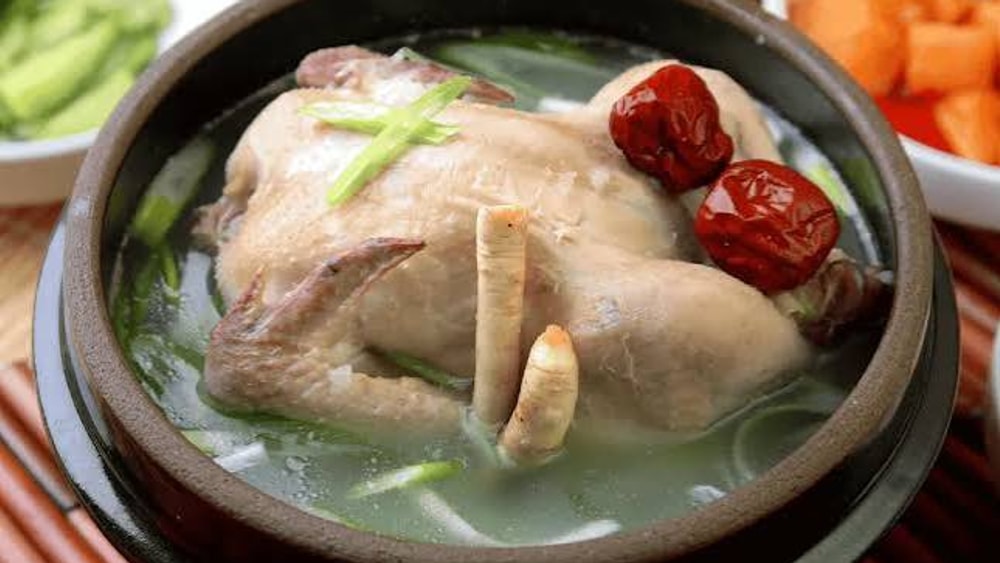
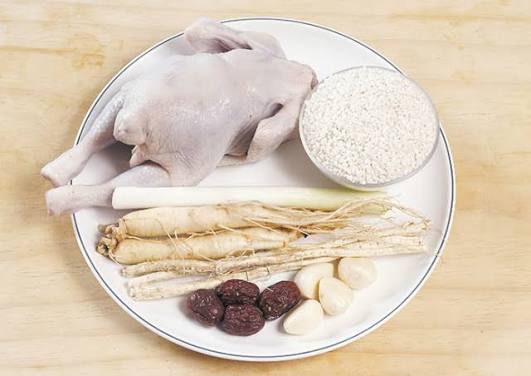
Koreans eat boiling-hot Samgyetang (ginseng chicken soup) during the hottest days of summer to restore lost vitality and regulate body heat through the traditional health principle of iyeolchiyeol (fighting heat with heat). The dish features a young chicken stuffed with glutinous rice, fresh ginseng root, dried jujubes, and garlic, simmered into a rich, aromatic herbal broth.
Sambok and the Philosophy of Fighting Heat with Heat
The tradition of consuming hot, nutrient-dense soups in midsummer centers on Sambok (삼복), the three hottest days of the year according to the lunar and solar calendars. These three days—Chobok (beginning heat), Jungbok (middle heat), and Malbok (ending heat)—typically fall between mid-July and mid-August. On these designated dates, specialty restaurants across South Korea see long queues stretching around city blocks.
The practice relies on the Korean medicinal concept of iyeolchiyeol (이열치열), which translates literally to "controlling heat with heat." Modern air conditioning, ice water, and cold desserts cool the outer skin, but traditional medicine posits that this temperature mismatch causes internal gastrointestinal chilling, fatigue, and digestive sluggishness.
According to traditional culinary philosophy, consuming warm, herb-infused nourishment during peak summer balances internal temperature with external weather, stimulating perspiration to naturally cool the body down.
Historically, the dish evolved from simple chicken and garlic broths served during the Joseon Dynasty. During the mid-20th century, powdered ginseng was introduced into commercial chicken soup. As refrigeration and transport infrastructure improved across the country, whole fresh ginseng (insam) became the standard ingredient, transforming the meal into the medicinal luxury dish known today as Samgyetang.
How to Order and Eat Samgyetang Step by Step
Dining at a specialized Samgyetang house (samgyetang-jip) follows a distinct sequence. Because these establishments focus almost exclusively on variations of chicken soup, service is fast, structured, and organized around hot stone bowls (ttukbaegi).
Step 1: Select Your Dish
Upon being seated, examine the table menu or wall display. Most classic spots offer standard Samgyetang made with white spring chicken, but you will also see options featuring perilla seeds (deulggae), black bone chicken (ogolgye), or added seafood such as abalone (jeonbok). Place your order directly with the server or via the table tablet terminal.
Step 2: Handle the Insam-ju Aperitif
In most traditional Samgyetang restaurants, a small ceramic flask containing Insam-ju (ginseng liquor) along with tiny shot glasses is delivered to your table alongside side dishes. You have two options for this herbal spirit:
- Drink it as a shot before or during your meal to stimulate digestion.
- Pour the shot directly into the bubbling soup broth to soften the alcohol and infuse extra ginseng fragrance into the dish.
Step 3: Season and Dismantle the Bird
The soup arrives at your table violently boiling inside a thick stoneware bowl. Prepare your meal using the small saucer and condiments provided:
- Sprinkle a spoonful of salt and ground black pepper onto the small dry dish (do not drop raw salt directly into the main stone bowl without tasting the broth first, as it may already be salted).
- Use your chopsticks and large spoon to untie or separate the folded legs of the young chicken.
- Scoop out the tender meat, dipping individual pieces into the salt and pepper mixture before eating.
- Extract the compressed glutinous rice stuffed inside the body cavity and stir it into the broth to form a thick, rice-congee consistency.
Ingredients, Menu Variations, and Flavor Profiles
The quality of Samgyetang depends on the bird size and herbal balance. Kitchens deliberately select 40-to-50-day-old young chickens (ungchu or younggye) because their meat remains soft and yields delicate collagen when boiled under pressure.
| Samgyetang Style | Approximate Price Range | Key Ingredients & Flavor Profile | Ideal Dish For |
|---|---|---|---|
| Standard (원조 삼계탕) | 16,000 – 20,000 KRW | Whole young chicken, ginseng root, jujube, sweet rice, clear chicken broth | First-time visitors wanting the authentic, classic taste |
| Perilla Seed (들깨 삼계탕) | 18,000 – 22,000 KRW | Ground roasted perilla powder added to base broth; thick, creamy, earthy | Diners who enjoy nutty textures and heavy, rich soups |
| Black Bone Chicken (오골계 삼계탕) | 22,000 – 28,000 KRW | Silkie black chicken, medicinal root herbs; deep, slightly gamey umami | Diners looking for high iron and traditional stamina restoration |
| Seafood / Abalone (전복 삼계탕) | 24,000 – 32,000 KRW | Fresh whole abalone, clean broth, subtle brine combined with herbal roots | Seafood lovers wanting a luxurious nutrient boost |
The herbal broth balances garlic, milk vetch root (hwanggi), and fresh ginseng. The ginseng supplies a slight bitter bite that cuts through the chicken fat, while jujube apples lend a subtle background sweetness.
Table Etiquette and Essential Phrases
Samgyetang is served with minimal side dishes to keep the focus on the broth. Standard accompaniments include diced radish kimchi (kkakdugi), napa cabbage kimchi, fresh raw green chili peppers (ohi-gochu), raw garlic slices, and savory soybean paste (ssamjang).
- Kimchi pairing: Take a bite of crisp, cold kkakdugi between hot bites of chicken to cleanse the palate.
- The jujube debate: An urban myth in Korea claims that jujubes absorb toxins from the broth and must be discarded. In truth, jujubes are thoroughly cleaned and safe to eat, though many locals leave them behind simply because they have absorbed strong liquid fats.
- Metal bones basket: Place all picked chicken bones into the small stainless steel container provided on the table, not on your dish or paper napkin.
Helpful Phrases for Ordering
- 삼계탕 하나 주세요.
- Samgyetang hana juseyo.
- "One standard Samgyetang, please."
- 인삼주 더 주실 수 있나요?
- Insamju deo jusil su innayo?
- "Could I get a refill on the ginseng liquor?"
- 깍두기 더 주세요.
- Kkakdugi deo juseyo.
- "Please give me more radish kimchi."
- 계산해 주세요.
- Gyesanhae juseyo.
- "I would like to pay the bill."
Frequently Asked Questions
Is Samgyetang eaten only during summer, or is it available year-round?
While consumption spikes drastically on the three Sambok days between July and August, Samgyetang restaurants operate year-round. It is widely eaten during winter as a comforting, body-warming soup to ward off colds and seasonal illnesses.
Should I eat the whole piece of ginseng found inside the soup?
Yes, the ginseng root in your bowl is completely edible. While some find its raw herbal bitterness intense, locals usually eat the entire root to maximize its health benefits.
How do I manage the heat of the hot stone bowl while eating?
Never try to drink broth directly from the edge of the stoneware bowl when it first arrives. Use the plastic or stainless steel ladle provided to scoop meat, rice, and broth into your personal rimmed bowl (apsi-dae) to cool down before taking a bite.
Pro Tips: Mistakes to Avoid and How to Save
- Avoid peak hours on Sambok dates: Expect queues exceeding two hours at famous institutions (such as Tosokchon in Gyeongbokgung or Korea Samgyetang near City Hall) on actual Sambok days. If visiting during summer, eat late in the afternoon (around 3:00 PM to 4:30 PM) or choose non-peak dates to avoid long lines.
- Neutralize alcohol using heat: If you do not consume strong spirits, do not throw away the complementary Insam-ju. Pouring the alcohol into the boiling soup causes the alcohol content (typically around 13–15% ABV) to boil off quickly, leaving behind its sweet ginseng fragrance in the soup base without any alcohol kick.
- Skip inflated tourist hubs for better value: Major landmark districts often charge higher prices for standardized chicken soup. Neighborhood specialty shops located outside immediate tourist zones offer identical quality portions at lower price points, often including unlimited self-serve refills on kimchi and side garnishes.