You sit down at a Korean restaurant, order one dish, and six small plates arrive that you didn't ask for. Nobody explains them. You're not sure whether you're supposed to eat them first, or whether you'll be charged.
Those are banchan, and understanding them changes how you eat Korean food.
Banchan are not appetizers
This is the single most useful thing to know. In most Western meal structures, small dishes come first and then the main course arrives. Banchan don't work that way. They sit on the table for the entire meal and are eaten alongside the rice and the main dish, in rotation.
The intended rhythm is: a bite of rice, a bite of the main dish, a bite of one banchan, back to rice. You're building each mouthful yourself rather than working through courses.
This is also why they're refillable at no charge in Korea. They aren't a paid course. They're part of how the meal is constructed.
Why there are so many
A traditional Korean meal is described by how many banchan it includes — three, five, seven, and so on. The logic behind it is balance. Rice is bland and neutral, so the surrounding dishes supply everything it lacks: salt, sourness, spice, crunch, and different textures.
A well-composed banchan spread usually includes:
- Something fermented and sour — kimchi, almost always
- Something seasoned and green — spinach, soybean sprouts, or another namul
- Something salty and protein-based — braised tofu, fish cake, or eggs
- Something crunchy — pickled radish or fresh vegetables
If you notice a meal feeling flat, it's usually because one of these categories is missing.
The most common ones you'll meet
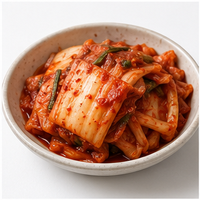
Kimchi — the default, present at nearly every meal. Napa cabbage is the usual version, but cubed radish kimchi is also common.
Kongnamul muchim — soybean sprouts, blanched and seasoned with sesame oil, garlic, and salt. Mild, nutty, and a good entry point.
Sigeumchi namul — spinach, prepared the same way. Sweeter than the sprouts.
Danmuji — bright yellow pickled radish, sweet and sharp, usually served alongside heavier dishes.
Myeolchi bokkeum — tiny stir-fried anchovies, sweet and salty, eaten whole. Divisive with newcomers but genuinely good.
Gyeran mari — rolled omelette, sliced. Mild and always popular.
Making banchan at home is easier than it looks
The surprise for most people is that the vegetable banchan take about ten minutes each and follow a single template.
Blanch the vegetable briefly. Squeeze out the water. Season with sesame oil, minced garlic, salt, and toasted sesame seeds. Toss. Done.
That one method gives you spinach, soybean sprouts, zucchini, and several others. Once you've made one, you've effectively learned all of them.
Make two or three on a Sunday, keep them in the fridge, and a weeknight dinner becomes rice plus a simple main plus whatever's already prepared. That's the actual everyday Korean meal — not an elaborate production, but a small stock of things made in advance.
Restaurant etiquette, briefly
Use the serving chopsticks if they're provided. Take from the shared plates directly if they aren't — it's normal. Ask for refills of anything you finish; it's expected, not rude. And don't feel obligated to finish everything, since portions are calibrated for sharing.
Building a Korean meal at home? K-Pantry suggests what to cook based on the ingredients you already have, including quick banchan you can make in ten minutes.