Traveling solo in South Korea introduces procedural hurdles when attempting to dine at communal barbecue, stew, or stir-fry establishments. Recognizing the distinction between table headcount and culinary portion orders—alongside scheduling around strict afternoon prep windows—allows independent diners to navigate Seoul's restaurant landscape without turning away at the door.
The '2-Serving Minimum' (2inbun) Mechanic
The common refusal solo travelers encounter at Korean barbecue (Samgyeopsal, Galbi), Dakgalbi, and Jeongol (hot pot) joints is driven by fixed table margins rather than anti-solo prejudice.
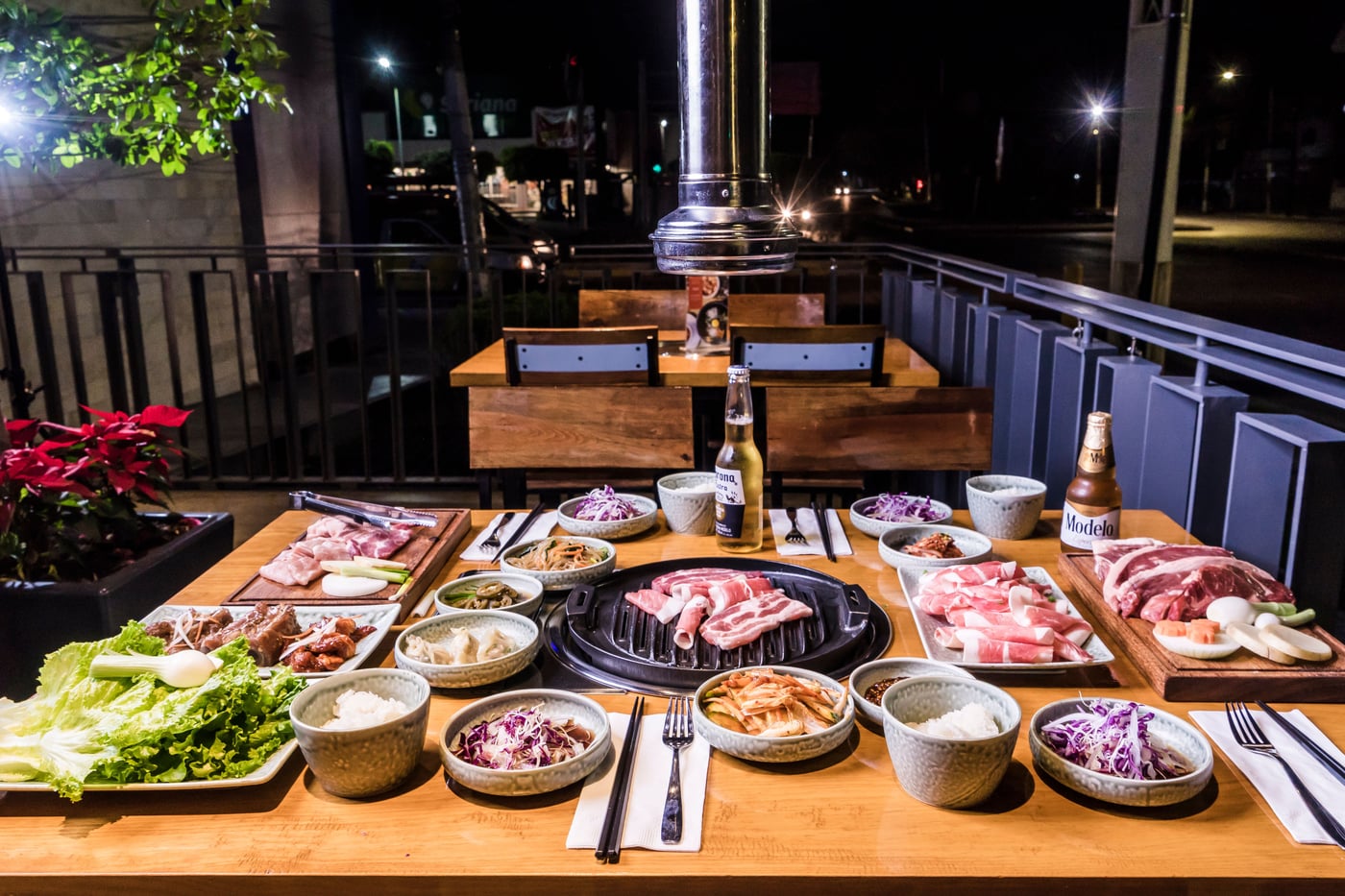
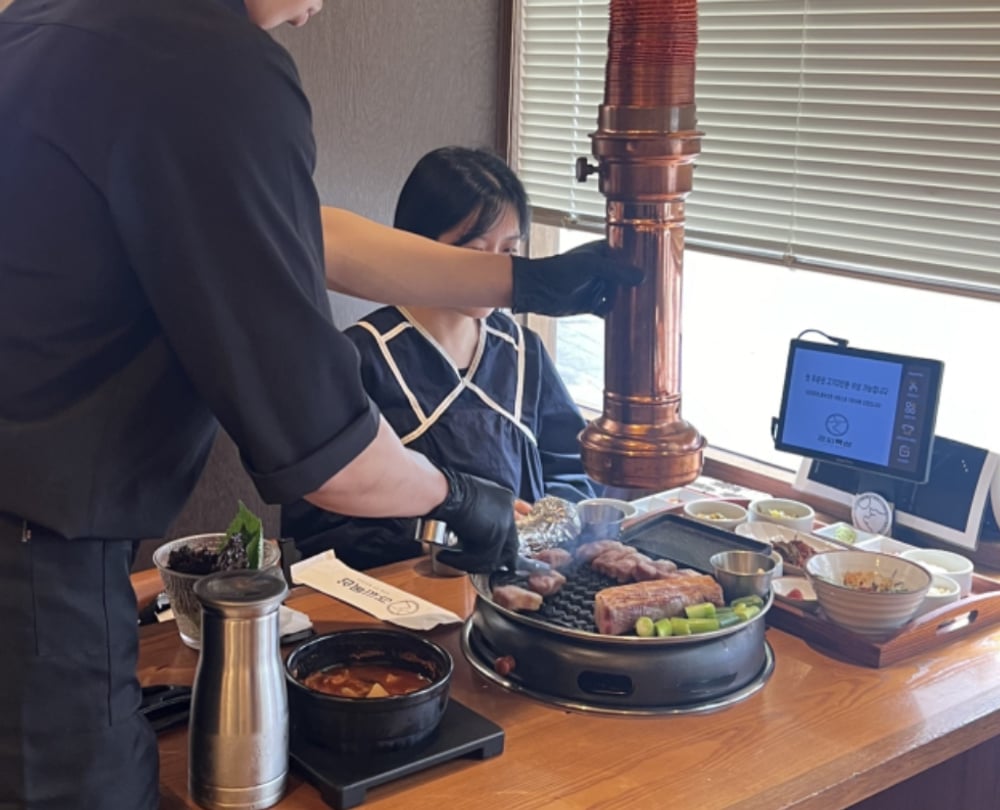
Grilling tables occupy high-utility square footage requiring gas burners, charcoal ignition, exhaust hood cleaning, and comprehensive banchan (side dish) arrays. When a menu specifies "2인분 이상 주문 가능" (minimum 2 servings), the restriction applies strictly to total food volume, not physical customer headcount.
"A solo traveler can comfortably occupy a grill table at traditional barbecue venues simply by ordering and paying for two full meat portions upfront. Stating your willingness to fulfill the two-order quota resolves entry friction immediately."
- Portion Accounting: Ordering two 150g–200g meat servings satisfies the kitchen yield requirements, regardless of whether one person consumes both.
- Shared Table Dynamics: During peak dinner rushes (18:30–20:30), single-seat turnover may still be restricted at high-demand venues; arriving before 18:00 or after 20:30 maximizes table availability.
- Side-Dish Allocation: Full sets of lettuce wraps, garlic, kimchi, and dipping sauces are replenished freely once the 2-serving minimum threshold is registered.
Solo-Friendly Food Categories vs. Group-Centric Formats
Matching your dining plan with appropriate culinary establishments eliminates table rejection and awkward ordering interactions.
| Restaurant Category | Solo Dining Policy | Table Configuration | Ideal Menu Targets |
|---|---|---|---|
| Gukbap / Soup Joints (국밥집) | 100% Solo-Friendly (Single servings standard) | Single banquette counters, 2-top tables | Dwaeji-gukbap, Seolleongtang, Sundae-guk |
| Bunsik / Snack Bars (분식점) | 100% Solo-Friendly (No minimum spend) | Fast-casual walk-up counters | Kimbap, Tteokbokki, Ramyeon, Donkatsu |
| Department Store Food Halls | 100% Solo-Friendly (Individual POS lanes) | Bar-stool counter perimeter seating | Premium regional noodle sets, bibimbap bowls |
| Korean BBQ / Galbi (고깃집) | Conditional (Must order 2+ servings) | 4-top grill tables with dedicated exhaust hoods | Samgyeopsal, Hanwoo beef cuts, marinated galbi |
| Jeongol / Dakgalbi (전골·닭갈비) | Conditional (Stove-pot requires 2-serving base) | Central tabletop induction or butane burners | Budae-jjigae, Chuncheon chicken stir-fry |
Navigating the 15:00–17:00 Break-Time Dead Zone
Independent Korean dining operations enforce a daily operations hiatus, designated as "브레이크타임" (Break Time), between 15:00 and 17:00.
During this two-hour interval, kitchen stations shut down completely for inventory prep, meat slicing, broth resting, and staff meals. Attempting to enter at 14:35 frequently results in denial, as kitchens issue a "Last Order" call 30 to 45 minutes prior to the afternoon shutdown. Department store basement concourses, franchise fast-food chains, and 24-hour broth restaurants remain operational throughout this window.
3-Step Execution Protocol for Eating Alone in Seoul
- Step 1: Check Afternoon Operating Schedules on Naver Map Prior to walking toward any dine-in venue between 14:00 and 17:00, verify the operational card on Naver Map. Confirm whether the listing specifies "브레이크타임" (e.g., 15:00–17:00) and verify the "라스트오더" (Last Order) window to prevent doorstep rejections.
- Step 2: Signal 2-Portion Compliance at Barbecue Entry When stepping into a sit-down barbecue restaurant alone, hold up two fingers to the host and state: "Honja watneunde, i-inbun jumun halgeyo" (혼자 왔는데 2인분 주문할게요 / I am alone, but I will order two portions). This immediate confirmation signals that table revenue quotas are fulfilled without causing service hesitation.
- Step 3: Route to Counter-Service Hubs for Unrestricted Solo Meals For rapid, low-friction meals without multi-portion minimums, target basement food courts (Sikdang-ga) inside major department stores (Lotte, Shinsegae, Hyundai) or local Bunsik establishments (such as Gimbap Cheonguk). These formats design seating perimeters explicitly for solo diners and run without midday break-time interruptions.