Jeonju is the city of hanok and bibimbap, and its old centre is small enough to cover on foot in a day. Start with the murals on the hillside at Jaman Village, walk down through the lanes of Jeonju Hanok Village, visit Gyeonggijeon Shrine, and end with street food at Nambu Market's night market.
At a glance
- The route: Jaman Mural Village → Jeonju Hanok Village → Gyeonggijeon Shrine → Nambu Night Market, under 2 km on foot
- Getting there: KTX from Seoul to Jeonju Station, then a 10–15 minute taxi to Hanok Village
- Cost: the village and murals are free; Gyeonggijeon charges a small fee
- Best day: Friday or Saturday, when the night market runs
- Avoid: midday weekend crowds on the main hanok street; explore the side lanes instead
The course at a glance
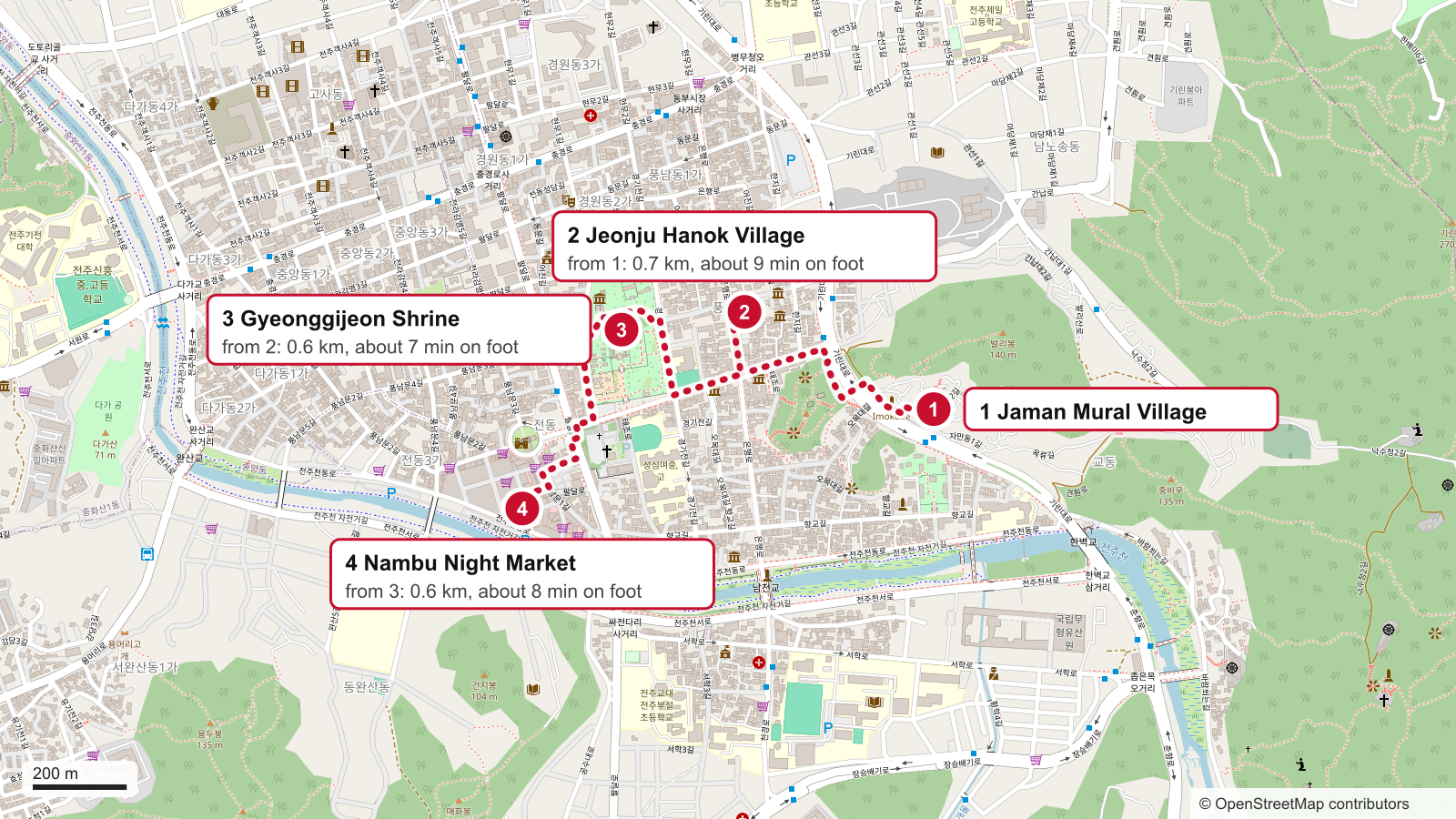
| Time | Stop | Getting there |
|---|---|---|
| 10:00 | Jaman Mural Village | Taxi from Jeonju Station, about 15 minutes |
| 11:00 | Jeonju Hanok Village | About 10 minutes downhill on foot |
| 14:30 | Gyeonggijeon Shrine | In the village, a few minutes' walk |
| 18:00 | Nambu Night Market | About 10 minutes on foot past Pungnammun Gate |
Coming from Seoul? Our Intercity Transit Guide compares the KTX and express bus to Jeonju, and our KTX booking guide explains how to buy tickets.
Jaman Mural Village
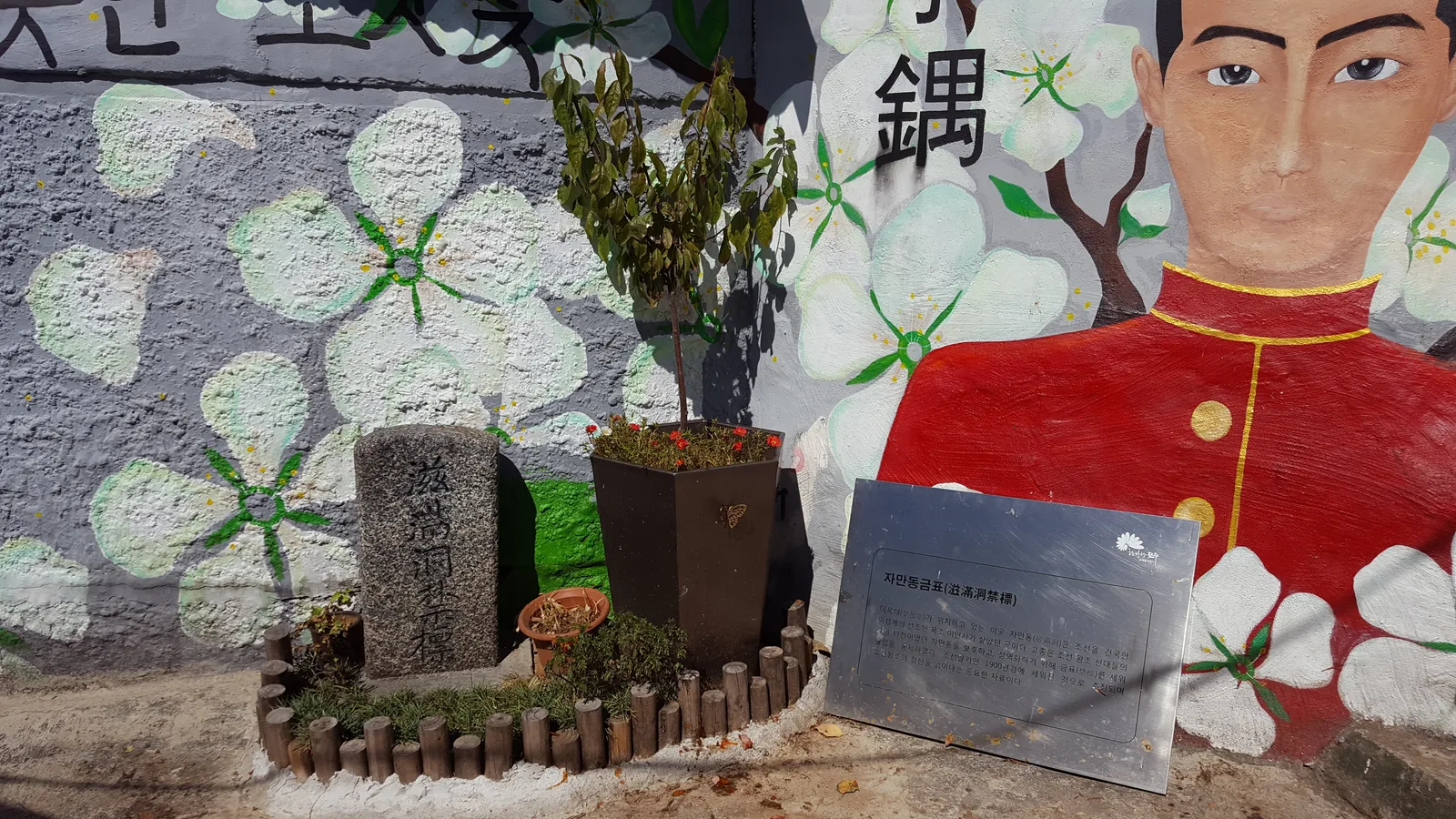
Jaman Village sits on a hillside just east of Hanok Village, across the main road. Its small houses and alleys are covered in murals, from cartoon characters to flowers, and the top of the hill looks back over the tiled roofs below. It's a quick visit, best in the morning before the light gets harsh.
People live here, so keep your voice down and don't go into courtyards or up private steps for photos.
Jeonju Hanok Village
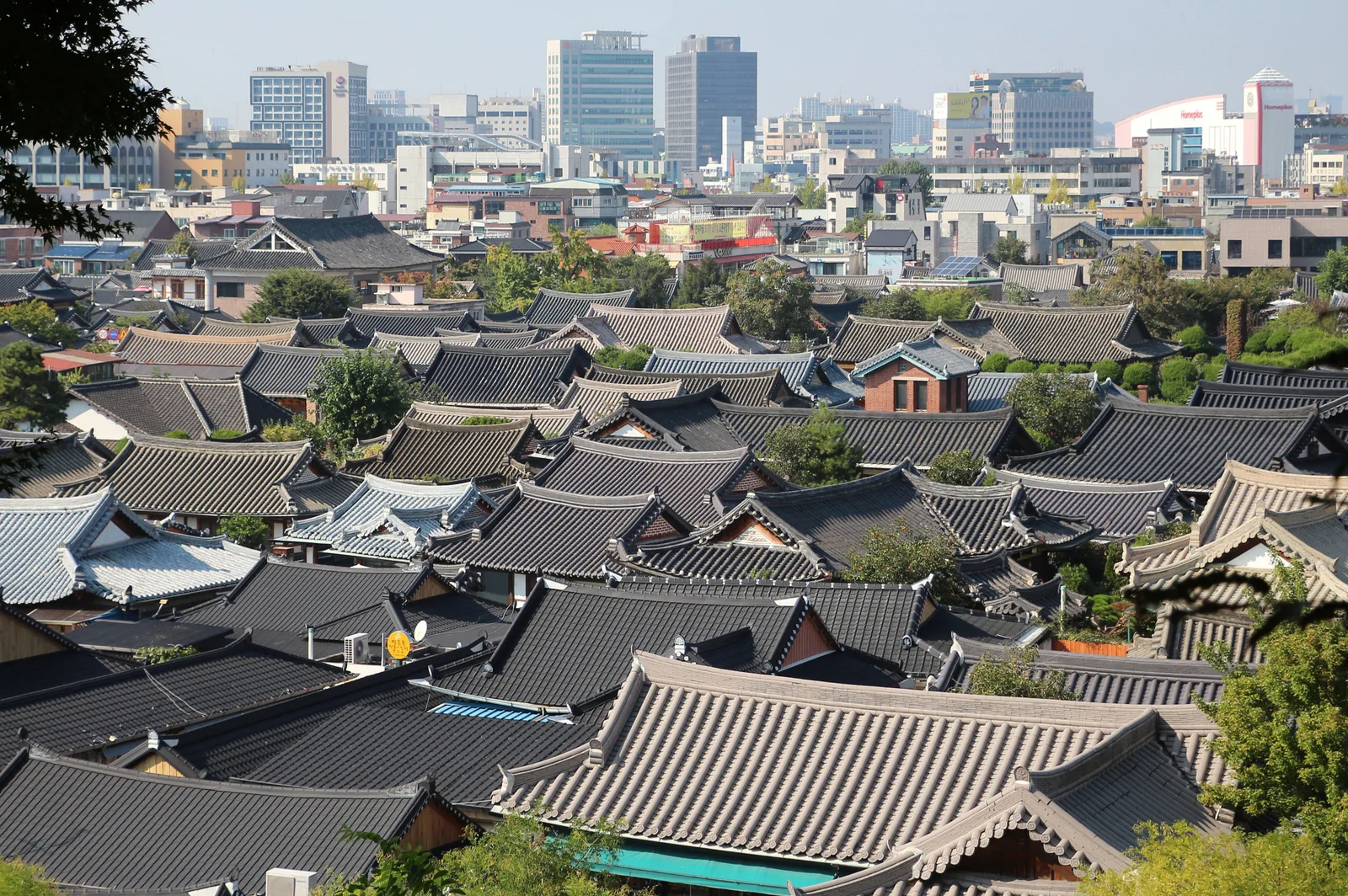
Jeonju Hanok Village is the largest cluster of traditional houses in a Korean city: hundreds of hanok, many now cafes, craft shops, guesthouses and restaurants. The main street, Taejo-ro, is busy with visitors in rented hanbok. The quieter side lanes are where the village feels most like a neighbourhood.
Lunch here means bibimbap. Our Jeonju bibimbap guide explains what makes the Jeonju version different and how much gochujang to add. If you want to stay the night, see our guide to hanok stays.
Gyeonggijeon Shrine
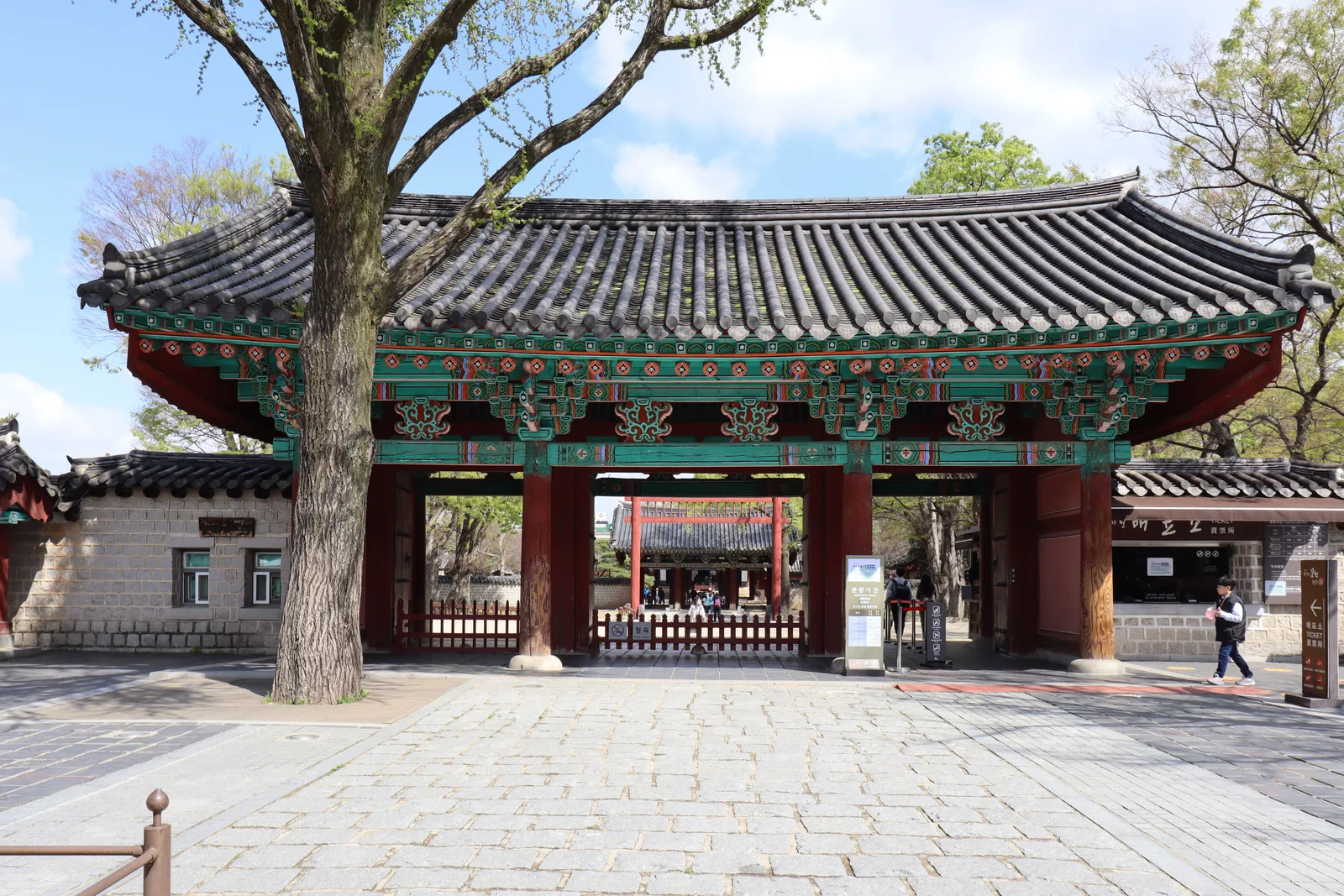
Gyeonggijeon was built in the early Joseon period to enshrine the portrait of King Taejo, the dynasty's founder, whose family came from Jeonju. The walled grounds are shaded by old trees and feel calm compared with the streets outside. The Royal Portrait Museum inside the grounds displays royal portraits, and its entry is included with the shrine ticket.
| Fee | Small entry fee (between ₩1,000 and ₩3,000 depending on age, per the city of Jeonju) |
| Hours | 9 am to 8 pm in summer, last entry an hour before closing; shorter in other seasons |
| Getting there | On Taejo-ro, in the middle of Hanok Village |
Nambu Market and the Night Market
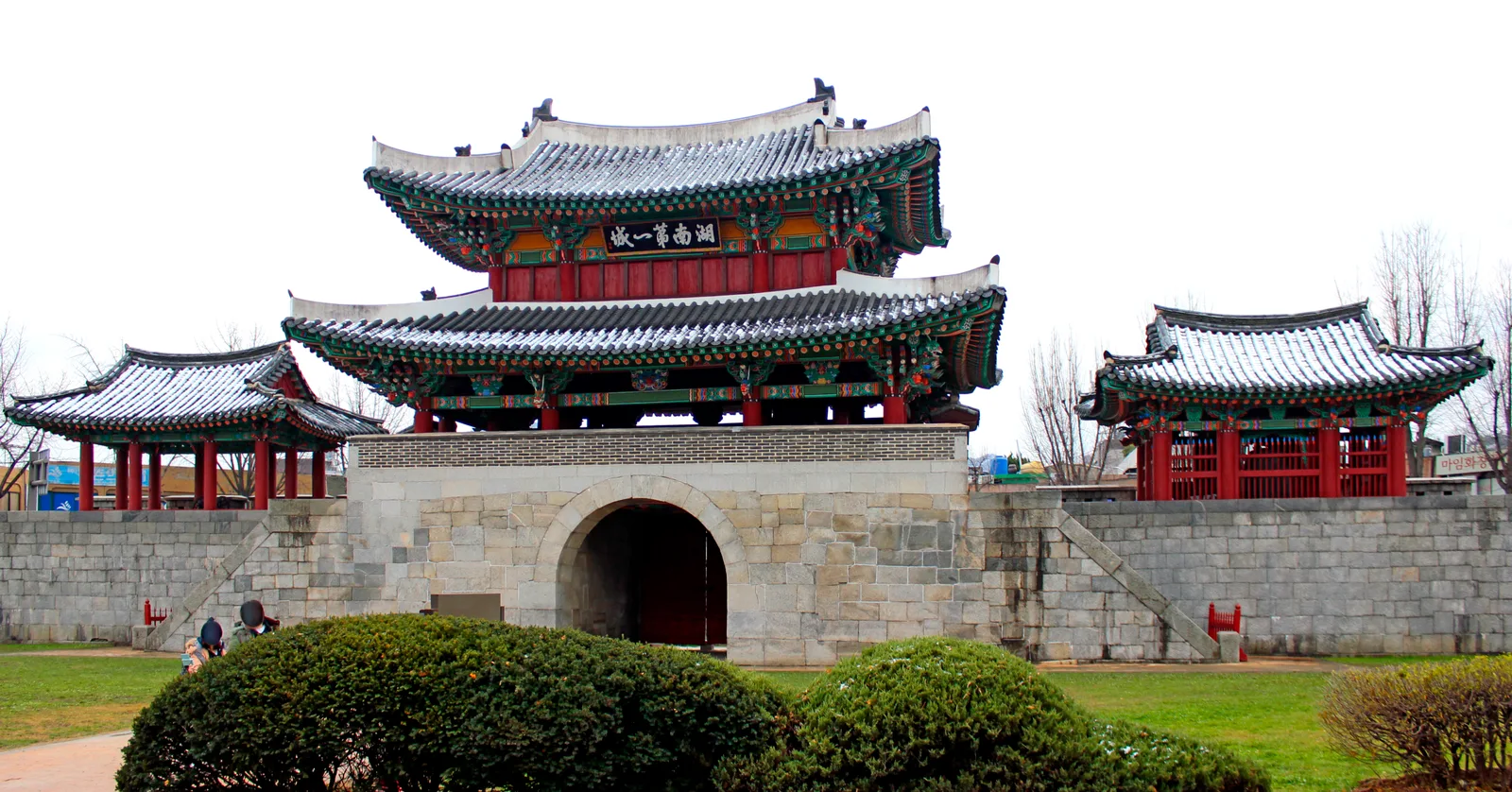
Nambu Market is Jeonju's main traditional market, just past Pungnammun, the old city's south gate. In the daytime it's a working market known for kongnamul-gukbap (bean sprout soup with rice), and its upper floor holds a youth mall of small shops and cafes. On Friday and Saturday evenings, stalls set up in the central aisle for the night market, selling grilled skewers, dumplings and snacks from around the world.
| Night market | Fridays and Saturdays, from early evening until late (a 2026 report gave 5 pm to 11 pm) |
| Getting there | About 10 minutes on foot from Hanok Village |
| Tip | Arrive early; the aisles get very crowded after 8 pm |
Korean for the day
| Korean | Romanization | Meaning |
|---|---|---|
| 한옥마을 가 주세요 | hanongmaeul ga juseyo | To Hanok Village, please |
| 비빔밥 하나 주세요 | bibimbap hana juseyo | One bibimbap, please |
| 야시장 오늘 해요? | yasijang oneul haeyo? | Is the night market on today? |
Do
- Plan the trip for a Friday or Saturday
- Explore the side lanes, not just Taejo-ro
- Try bibimbap and kongnamul-gukbap
- Book a hanok stay if you want the village after the day-trippers leave
Don't
- Enter private homes or courtyards in Jaman Village
- Expect the night market on weeknights
- Rush Gyeonggijeon; the grounds reward a slow walk
- Arrive at the night market late and hungry; queues build fast
Plan the rest of the trip: KTX vs express bus for day trips · Shopping at a Korean traditional market · Ordering Korean street food · the Regional Hotspot Finder
Frequently Asked Questions
Which days does the Nambu night market run? Fridays and Saturdays, from early evening. Check before you go, as the schedule has changed in the past.
Is Jeonju Hanok Village free? Yes. The village is free to walk; only sights like Gyeonggijeon charge entry.
How do I get from Jeonju Station to Hanok Village? About 10–15 minutes by taxi, or 20–25 minutes by city bus.
Can I do Jeonju as a day trip from Seoul? Yes. The KTX makes it possible, though staying one night lets you see the night market without rushing.