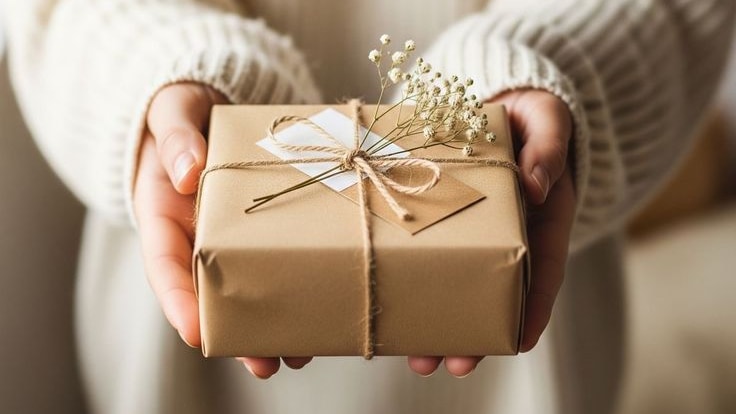
Gifts matter in Korea, from fruit for a host family to cash envelopes at weddings. Give and receive with two hands, choose a gift that suits the occasion, and avoid a few classic taboos like sets of four.
Key Takeaways
- Two hands: give and receive gifts with both hands, or the right hand supported by the left
- Visiting a home: fruit, drinks or a nice snack box are safe choices
- Weddings and funerals: cash in an envelope is the norm
- Avoid: sets of four, and writing someone's name in red ink
Good gifts by occasion
| Occasion | Good gifts | Note |
|---|---|---|
| Visiting a home | Fruit, juice, snacks, a cake | Bring something; don't arrive empty-handed |
| Housewarming (집들이) | Toilet paper, laundry detergent | Symbolize things going smoothly and prosperity bubbling up |
| Chuseok and Seollal | Gift sets: fruit, hanwoo beef, Spam, oils, health products | Huge gift-set season in stores |
| Birthday | Small personal gifts, cake, gift vouchers | Mobile gift vouchers via KakaoTalk are common |
| Business | Quality items from your home country, sweets | Modest value; avoid anything too expensive |
Cash gifts
| Event | Envelope | Typical amounts |
|---|---|---|
| Wedding | White envelope, name written on it | Often 50,000–100,000 KRW or more depending on closeness |
| Funeral | White envelope | Similar ranges; given at the reception desk |
| First birthday (돌잔치) | Envelope or gold ring | Depends on closeness |
| Seollal (sebaetdon) | New notes in an envelope | Given by elders to children |
Many people choose odd-numbered amounts (such as 30,000 or 50,000 KRW) for weddings, though customs vary by family.
Gift seasons in Korea
Gift-giving peaks around the two big family holidays and a few special days. Stores fill with gift sets weeks in advance.
| Occasion | When | Typical gifts |
|---|---|---|
| Seollal | Lunar New Year (Jan–Feb) | Gift sets, sebaetdon for children |
| Chuseok | Harvest festival (Sep–Oct) | Fruit, beef, oils, health products |
| Parents' Day | May 8 | Carnations, cash, health products |
| Teachers' Day | May 15 | Small tokens; strict limits on value apply in schools |
| Pepero Day | November 11 | Pepero stick snacks for friends |
| Valentine's / White Day | Feb 14 / Mar 14 | Chocolate, then candy in return |
Giving and receiving
| Step | Etiquette |
|---|---|
| Handing over | Use two hands and a slight bow |
| Saying something modest | "It's nothing much" (별거 아니에요) is a common humble phrase |
| Opening | Many people don't open gifts in front of the giver; follow their lead |
| Receiving | Accept with two hands and thank them |
| Returning the favor | Gifts are often reciprocated on a later occasion |
별거 아니지만 받아 주세요.
Byeolgeo anijiman bada juseyo.
It's nothing much, but please accept this.
뭘 이런 걸 다 사 오셨어요. 감사합니다.
Mwol ireon geol da sa osyeosseoyo. Gamsahamnida.
You didn't have to bring anything. Thank you.
과일 좋아하신다고 들었어요.
Gwail joahasindago deureosseoyo.
I heard you like fruit.
네, 잘 먹을게요.
Ne, jal meogeulgeyo.
Yes, we'll enjoy it.
Do
- Give and receive with two hands
- Bring fruit or snacks when visiting a home
- Use white envelopes for wedding and funeral cash
- Say something modest when handing over a gift
Don't
- Give sets of four
- Write names in red ink
- Give very expensive gifts in business settings
- Insist the receiver opens the gift in front of you
More culture guides: Seollal traditions, Korean table etiquette, and nunchi.
Frequently Asked Questions
What should I bring to a Korean home? Fruit, juice, a box of snacks or a cake are safe choices. Something from your home country is a nice touch.
How much cash should I give at a Korean wedding? It depends on how close you are. Many guests give 50,000–100,000 KRW, more for close friends and family.
Why is the number four unlucky? The Korean word for four (사) sounds like the word for death, so sets of four are avoided.
Should I open a gift right away? Many Koreans wait until later. Follow the giver's lead, and thank them either way.