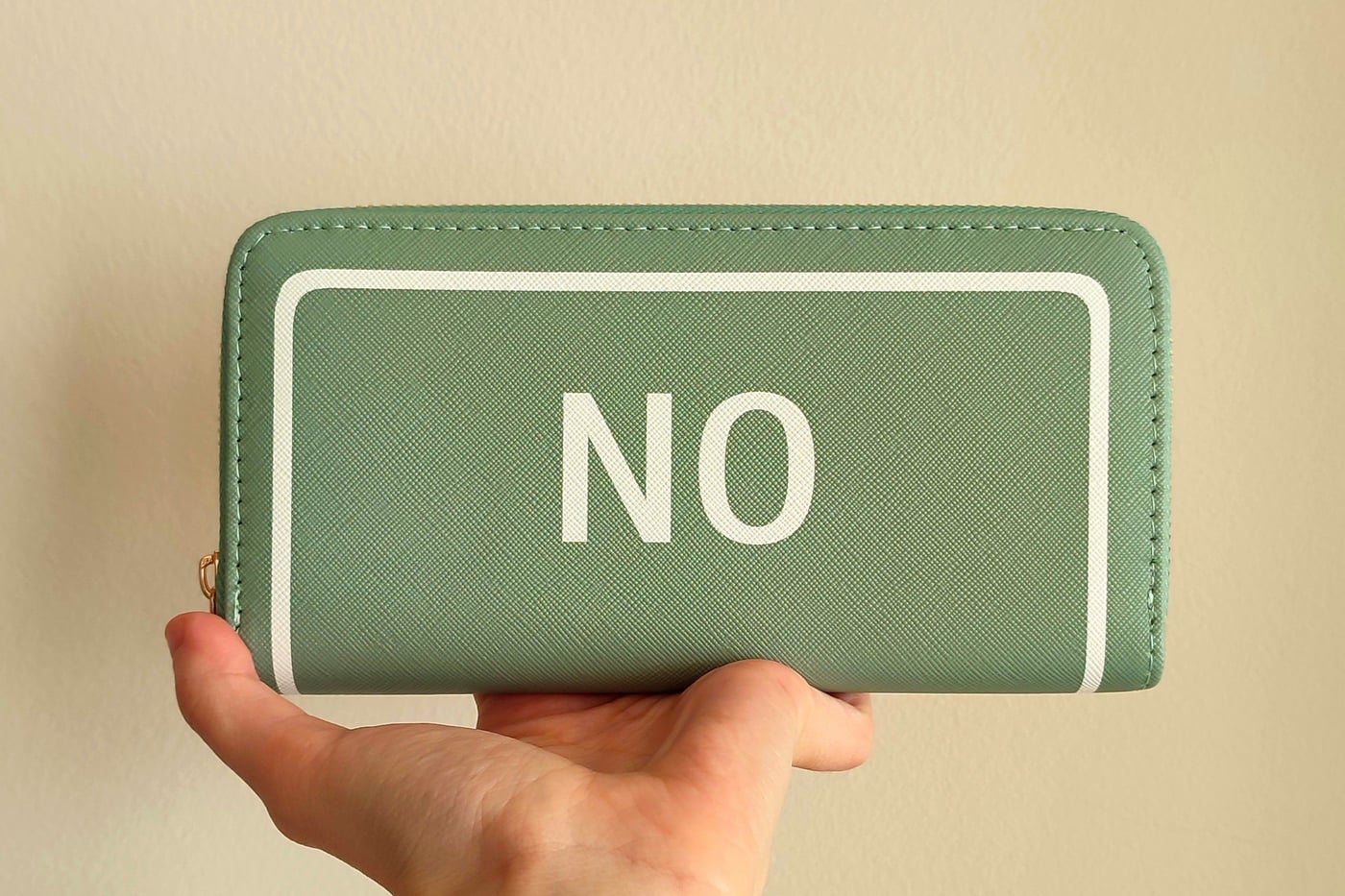
Tipping isn't part of Korean culture: the price on the menu is the price you pay, with tax included. Pay at the counter on the way out, and if you're splitting, say so before the staff run your card.
Key Takeaways
- No tipping: restaurants, cafes, taxis, hotels and hair salons
- Tax included: menu prices already include VAT
- Splitting: ask 따로 계산할게요 (ttaro gyesanhalgeyo) at the counter
- Avoid: leaving cash on the table; staff may chase you to return it
Who expects a tip?
| Service | Tip? | What to do instead |
|---|---|---|
| Restaurants and cafes | No | Say thank you: 잘 먹었습니다 |
| Taxis | No | Round up only if you insist; most drivers give exact change |
| Hotels | No | Some high-end hotels add a service charge to the bill |
| Hair salons and spas | No | The listed price is final |
| Tour guides | Not expected | Some private tours accept tips; check with the company |
Where payment happens
How and when you pay depends on the type of place. Knowing which system you're in saves an awkward wait at the table.
| Place | When you pay | How |
|---|---|---|
| Sit-down restaurants | After eating | At the counter by the door |
| Kiosk restaurants and cafes | Before eating | At the kiosk, then wait for your number |
| Bars and pubs | When leaving | At the counter; some take a card at the start |
| Street stalls | When ordering or finishing | Card or cash at the stall |
| Taxis | At the end of the ride | Card reader or T-money by the driver |
A receipt is printed or offered automatically. Keep it if you might need the restroom code, which is often printed at the bottom.
If you want to show appreciation, a warm thank you, a good online review or coming back again means more to Korean staff than extra money. Saying 감사합니다 (gamsahamnida) as you leave is always welcome.
Splitting the bill
| Method | How it works | Phrase |
|---|---|---|
| One person pays | Common among friends and with seniors; others pay next time | 제가 낼게요 (jega naelgeyo, I'll pay) |
| Pay separately by item | Each person pays for their own dish at the counter | 따로 계산할게요 |
| Split evenly | The total is divided by the number of people | N분의 1로 해 주세요 (N-bunui ilro hae juseyo) |
| One pays, others transfer | Very common among Koreans using bank apps | Not practical without a Korean bank account |
계산할게요. 따로 할게요.
Gyesanhalgeyo. Ttaro halgeyo.
We'd like to pay, separately please.
뭐 드셨어요?
Mwo deusyeosseoyo?
What did you each have?
저는 비빔밥이요. 카드로 할게요.
Jeoneun bibimbap-iyo. Kadeuro halgeyo.
I had the bibimbap. I'll pay by card.
영수증 드릴까요?
Yeongsujeung deurilkkayo?
Would you like a receipt?
Do
- Pay at the counter by the door
- Say you're splitting before handing over a card
- Thank staff with 잘 먹었습니다 when you leave
- Treat a friend next time if they paid for you
Don't
- Leave cash on the table as a tip
- Argue at length over who pays in front of staff
- Expect a separate tax line on the bill
- Assume bank transfers work with a foreign account
More money and dining guides: foreign cards and Global ATMs, ordering at Korean restaurants, and Korean table etiquette.
Frequently Asked Questions
Is it rude to tip in Korea? It's not rude, just unusual. Staff may be confused or try to return the money. A sincere thank you is the norm.
Is tax included in Korean prices? Yes. Menu and shelf prices include VAT, so the price you see is what you pay.
Who usually pays when Koreans eat together? Often the oldest person or the one who invited pays, and the others treat next time. Among young friends, splitting is common.
Can I split the bill at every restaurant? Most restaurants will split by person if asked, though busy places at peak times may prefer one payment.